Bloom Energy shares retreat 39% as AI infrastructure faces regulatory headwinds
Investors are reassessing Bloom Energy’s growth trajectory following the second rejection of Oracle’s Project Jupiter and expanding state-level policy restrictions on data centre construction.
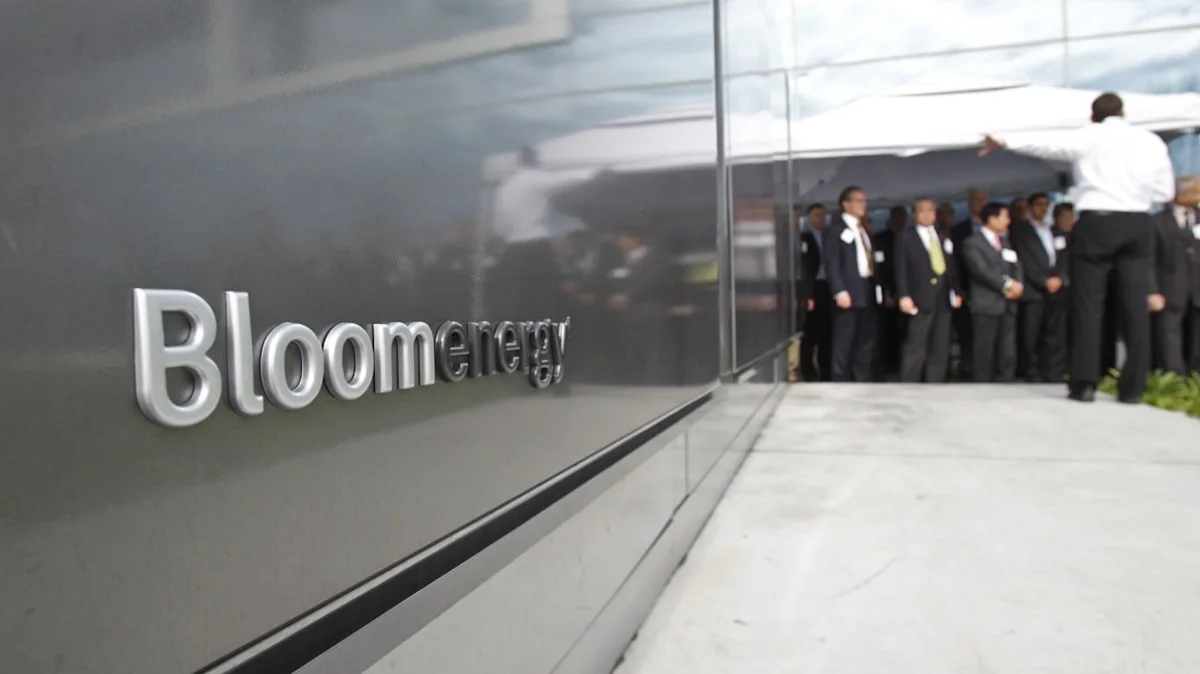
Bloom Energy shares have fallen 39 per cent from their June peak, as investors begin pricing in execution risks following the second rejection of Oracle’s Project Jupiter by New Mexico regulators. The $165 billion AI campus, which planned to utilise 2.45 gigawatts of Bloom’s solid oxide fuel cell technology, highlights growing community opposition and regulatory hurdles for AI infrastructure. Concurrently, New York has implemented a one-year statewide moratorium on new data centre construction, signalling expanding policy risks that may delay revenue recognition for the company.
The stock surged 149 per cent in 2026 year-to-date, driven by growth optimism in the power infrastructure sector. However, that momentum has stalled as the market shifts from pure growth enthusiasm to a more cautious assessment of regulatory realities. The first signs of this shift emerged earlier this month when a short seller questioned Bloom Energy’s long-term growth assumptions and customer concentration, adding a layer of uncertainty to an otherwise optimistic outlook.
Project Jupiter originally planned to rely on a natural gas-fired power plant but shifted to Bloom Energy’s technology following local concerns over emissions and water consumption. The New Mexico Environment Department has ordered a public hearing regarding the air permit application, but as of mid-July, no hearing date has been scheduled. While the fuel cell approach remains under consideration, the delay pushes revenue further into the future, complicating a business model priced on aggressive growth expectations.
This regulatory friction reflects a broader challenge for the AI infrastructure buildout. Communities across the country are becoming more vocal about data centre construction due to concerns regarding electricity demand, water usage, land use, and environmental impacts. While most opposition has historically been local, New York’s moratorium signals a potential shift toward broader state-level policy restrictions, raising the possibility that other states could adopt similar measures.
For Bloom Energy, these delays do not eliminate the underlying demand for electricity, but they can postpone orders for fuel cells, stretching out revenue recognition and making quarterly growth less predictable. An analyst, noted for correctly predicting NVIDIA’s rise in 2010, recently excluded Bloom Energy from his top 10 AI stock picks, further underscoring the market’s re-evaluation of the company’s near-term prospects despite its long-term positioning in the AI power sector.