Fed Chair Warsh bets on AI productivity as colleagues warn of inflation risks
While Kevin Warsh argues the $700 billion AI buildout will eventually suppress costs, most policymakers see it as a driver of sustained inflation, complicating the central bank’s monetary outlook.
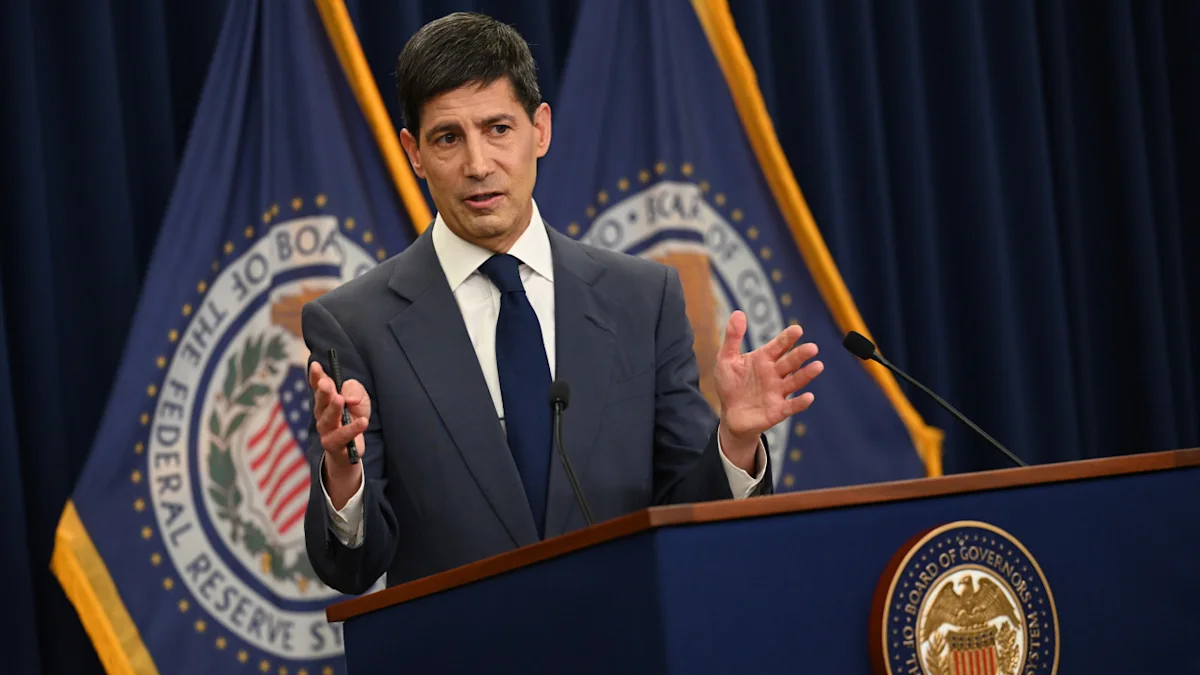
Federal Reserve Chair Kevin Warsh has adopted a distinctively optimistic stance on the United States’ $700 billion investment in artificial intelligence infrastructure, arguing that the spending surge will ultimately boost productivity and lower prices in the long term. Speaking at a European Central Bank forum in June, Warsh acknowledged the current boom in capital expenditures but expressed confidence that supply-side benefits would eventually alleviate price pressures. His view stands in sharp contrast to the majority of his colleagues on the Federal Open Market Committee, who warn that the relentless demand for data centres and critical equipment is generating persistent inflationary pressures across the economy.
The minutes from the central bank’s June meeting, released on July 8, reveal heightened concern among policymakers regarding the AI spending spree. The four largest US technology firms—Amazon, Meta, Microsoft, and Alphabet—are pouring billions into developing data centres and the semiconductors required to service them. Fed officials noted that this ongoing strong demand is likely to sustain upward pressure on prices for technology products and electricity. New York Fed President John Williams cautioned that if this creates a sustained impulse to demand relative to supply, the central bank may need to raise interest rates rather than look through the inflationary impact.
This divergence in policy outlook comes as the Federal Reserve held interest rates steady at 3.50% to 3.75% in June, a level unchanged since December. Despite the central bank’s pause, Wall Street investors are pricing in a potential quarter-point rate hike later this year. The tension is evident in consumer markets, with Apple raising prices by at least $150 for MacBooks and iPads in June due to chip shortages linked to high demand for critical components. Fed Governor Lisa Cook further highlighted these risks, warning that the investment cycle could fuel inflation across semiconductors, specialised equipment, software, and electricity.
The broader economic backdrop remains complex, with the latest Bureau of Labor Statistics report showing annual inflation at 3.5% in June, accompanied by a 0.4% monthly decline—the sharpest drop since April 2020. However, energy markets continue to add volatility, with oil prices hovering near mid-June highs despite a modest pullback. Ongoing tensions involving the United States and Iran, including the downing of a US helicopter over the Strait of Hormuz, have kept energy costs elevated, influencing everything from manufacturing to shipping.
Looking ahead, Wall Street analysts project that total AI capital expenditures could surpass $1 trillion by 2027, with spending in 2026 expected to reach between $800 billion and $900 billion. While Warsh remains convinced that AI adoption will enhance productivity and supply, other market voices are growing cautious. Former hedge fund manager Jim Cramer has urged investors to demand proof that these enormous expenditures are translating into meaningful profits, signalling that not all market participants are convinced the current spending cycle will pay off without significant inflationary consequences.