Blomkamp’s AI zombie short ‘Nightborne’ highlights generative limits
Neill Blomkamp’s 13-minute sci-fi short, generated entirely by Seedance 2.0, serves as a stark reminder of the current capabilities and constraints of text-to-video models.
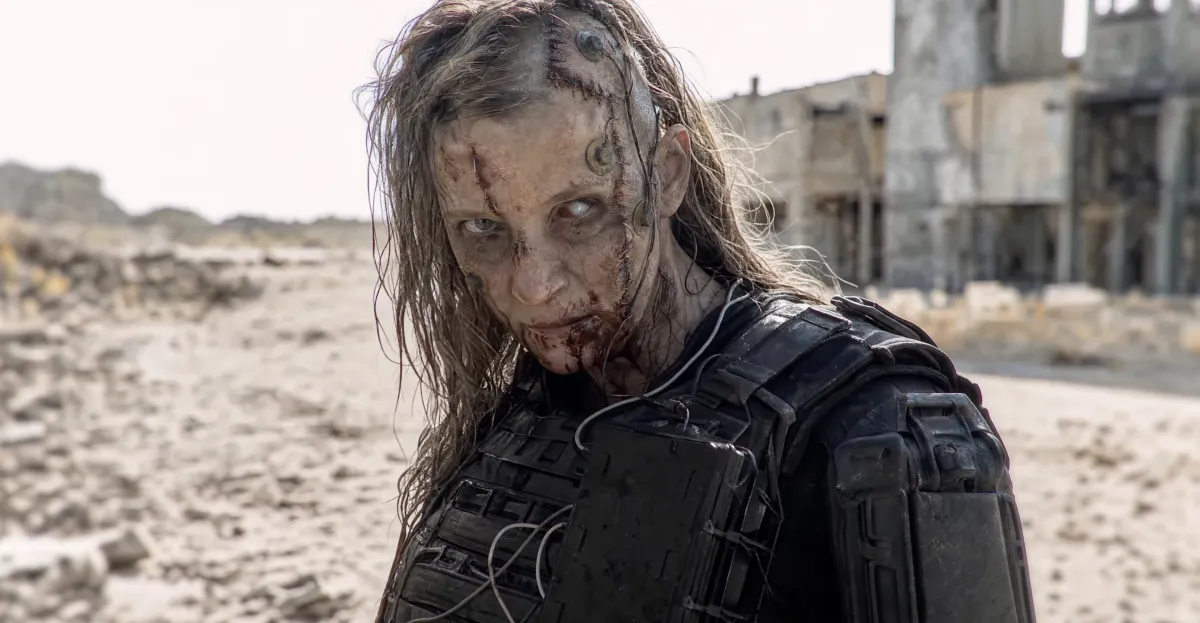
Director Neill Blomkamp has released 'Nightborne', a 13-minute sci-fi short produced by his startup, Barley Studios, using ByteDance’s Seedance 2.0 text-to-video generator. Loosely based on Peter Watts’ 2014 novel 'Echopraxia', the film depicts a military program converting soldiers into weaponised zombies. The project features characters modelled after 32 human actors and was edited by Austyn Daines, who utilised frequent cuts to mask the AI’s limitation of generating only short clips at a time.
Blomkamp described the release on X as a “test start” to demonstrate generative AI capabilities, with aspirations for future feature-length projects. However, the film has drawn significant criticism for highlighting technical limitations, with reviewers describing the output as unremarkable and lacking creative substance. The release follows a pattern of backlash against high-profile filmmakers using generative AI, similar to the criticism faced by Darren Aronofsky’s AI series about the Revolutionary War.
The narrative involves an American pilot who survives a helicopter crash and is subsequently converted into a weaponised zombie for Project Nightborne, a secret military training program. The film has been compared to other Seedance 2.0 projects, including Jia Zhangke’s 'Dance' short and a viral video featuring Tom Cruise and Brad Pitt. Each project demonstrates that while traditional filmmakers can downplay technical flaws, they cannot fully offset the technology’s innate weaknesses.
Signs in the background are often written in complete gibberish, and characters deliver their lines with unusual emphases that make them come across like people who don’t actually know what they are saying. Although real concept artists contributed to the project and actors consented to having their likenesses used, the human input does not appear sufficient to elevate the work beyond machine-made content.
The most interesting aspect of 'Nightborne' is how its story can be interpreted as commentary on the technology used to create it. Project Nightborne involves individuals in positions of power repurposing dead people’s bodies without consent to generate labour on the cheap. Generative AI is not as immediately destructive as killer zombie soldiers, but those pushing for the technology’s use are driven by a similar desire to exploit resources for efficiency.