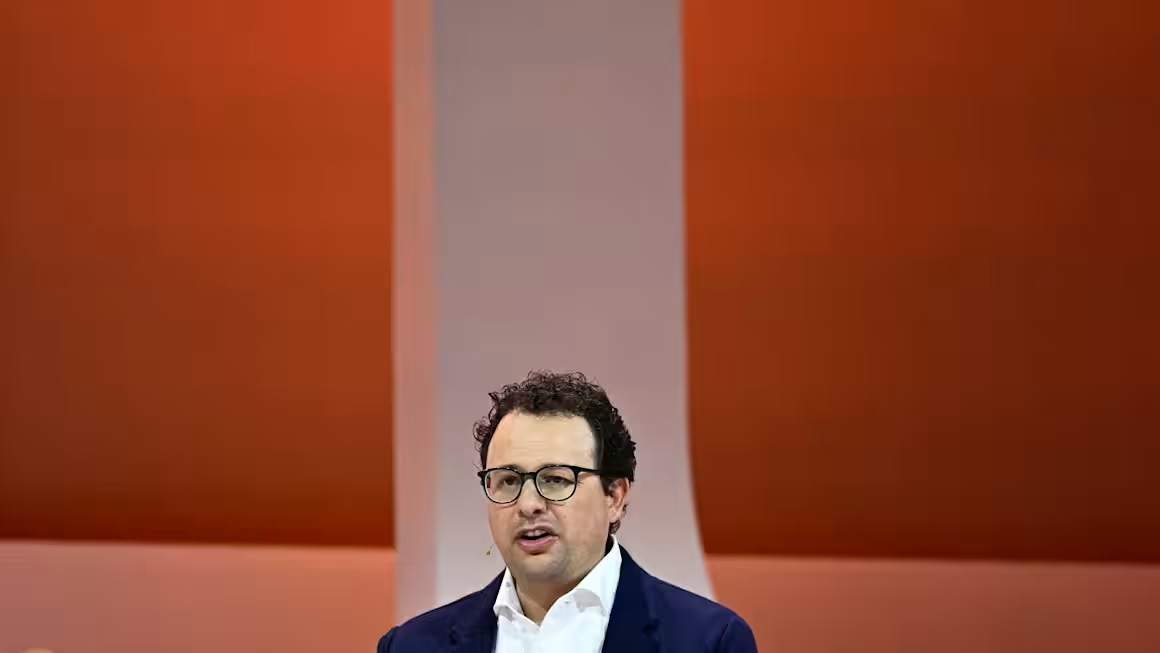
BlackRock’s Fink warns cash in banks is ‘worst financial decision’ of lifetime
At the Milken Institute 2026 Global Conference, Larry Fink cited inflation eroding purchasing power and noted 40% of Americans lack capital market exposure
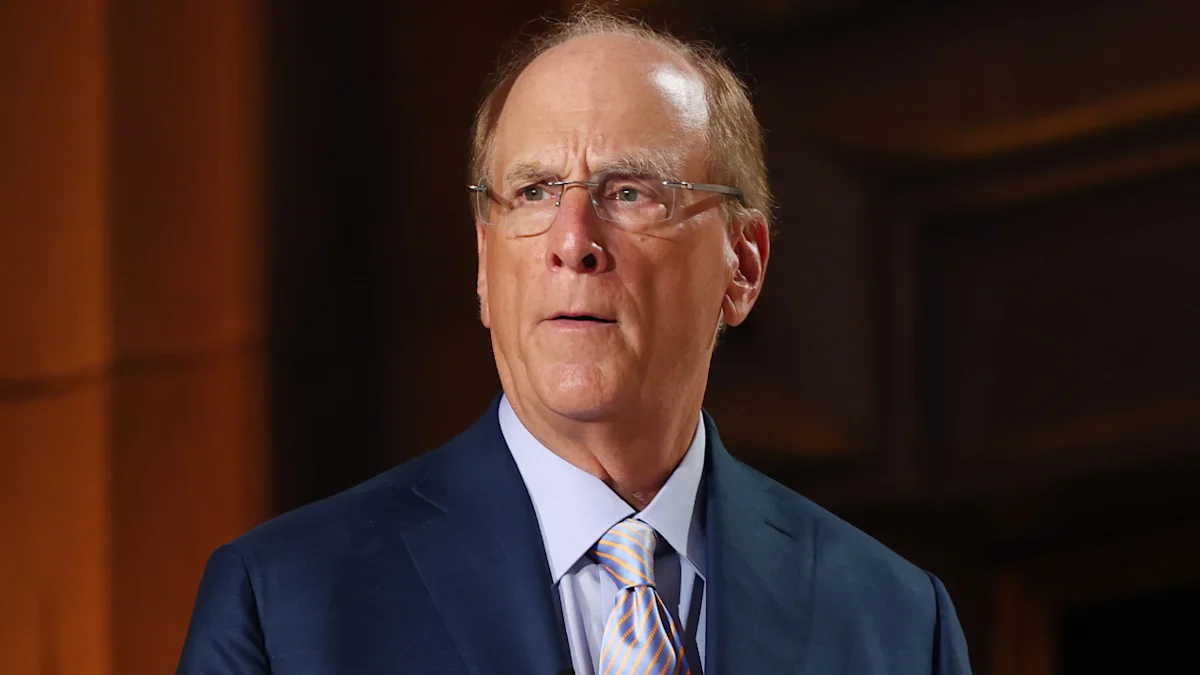
BlackRock chief executive Larry Fink has declared that retaining savings in bank accounts constitutes one of the most detrimental financial decisions an individual can make. Speaking at the Milken Institute 2026 Global Conference, Fink argued that conventional wisdom regarding cash safety no longer holds against the backdrop of persistent inflation and shifting economic structures.
Fink warned that wage growth is unlikely to keep pace with capital gains driven by artificial intelligence. He stated that in an AI-driven economy, capital invested in markets will outperform labour income, making asset ownership essential for broadening economic success. His comments align with his 2026 annual chairman’s letter, which cautioned that while AI could generate substantial economic value, it risks concentrating wealth among those who already own assets.
The asset manager highlighted that approximately 40% of Americans currently have no exposure to capital markets. Fink emphasised that for ordinary people to grow alongside the economy, they must invest their savings directly into markets that finance companies, infrastructure, and jobs, rather than leaving capital idle.
Inflation remains a critical factor in Fink’s assessment. U.S. consumer prices have risen roughly 28% since 2020, with food and housing costs surging by more than 33%. Data from the Federal Reserve Bank of Minneapolis indicates that the purchasing power of $100 in 2026 is equivalent to just $11.74 in 1970, underscoring the long-term erosion of cash value.
While Fink advocates for market participation, he acknowledged that cash retains a role for near-term liquidity needs. For funds required within the next one to two years, such as emergency reserves or upcoming expenses, keeping capital in high-yield accounts may be preferable to volatile assets. However, for long-term wealth preservation, Fink’s message is clear: owning productive assets is increasingly vital.