Black Sea blockade and drought push Ukraine’s agricultural sector toward a $20.5 billion loss
With Odesa ports effectively closed and alternative routes constrained by capacity limits, Kyiv is negotiating a new export corridor through Moldova to prevent a collapse in winter planting.
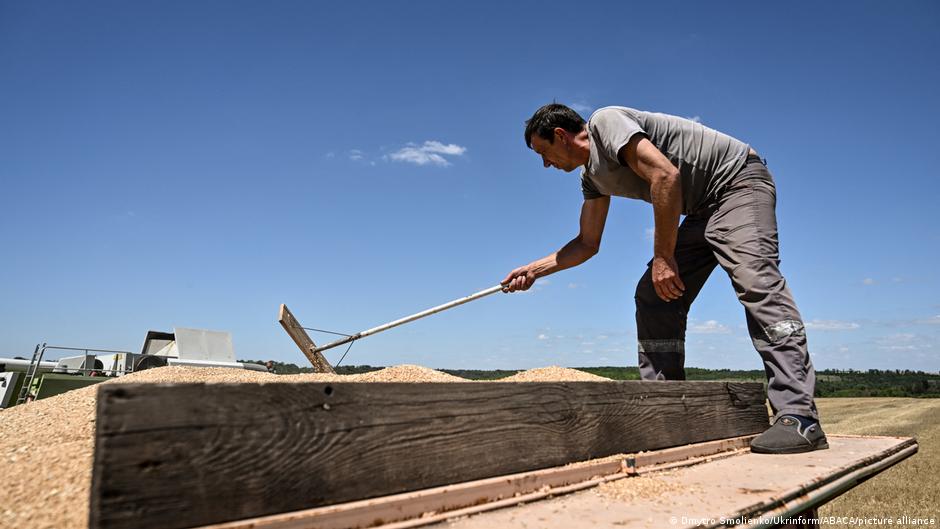
Ukraine’s agricultural sector is facing a severe export crisis as Russian attacks on civilian shipping have effectively halted operations in the greater Odesa region. The area historically handled approximately 90% of the country’s agricultural exports, but the current blockade has left farmers unable to sell their produce. This disruption is compounded by extreme heat and drought, which have further reduced transport capacity and created significant cash shortages for producers.
According to Denys Marchuk, deputy chairman of the All-Ukrainian Agrarian Council, Ukrainian farmers have harvested more than 28 million tonnes of grains and pulses. However, a large portion of this harvest remains unsold, leading to a shortage of funds needed to complete harvesting and plant winter crops, which typically begins at the end of August in the southern regions. Marchuk warned that the situation is likely to worsen in coming months as later-harvesting crops, such as corn, are added to the backlog.
The domestic market is already showing signs of strain, with the price of food-grade wheat declining by 30 to 35% due to export restrictions. Analyst Maksym Hopka of the Ukrainian Agribusiness Club noted that agricultural output in July was approximately 3.7 million tonnes, a decline of about a quarter from the previous month. He expects a further fall of over 50% in August, with some farms now operating at a loss because they cannot cover production costs.
The Ukrainian Ministry of Agrarian Policy and Food estimates that annual losses from unsold agricultural produce could amount to approximately $20.5 billion. Hopka calculates that exports will drop by about 9 million metric tons between August and October, with associated losses reaching $1.9 billion. The crisis is exacerbated by a potential storage capacity shortage of up to 10 million tonnes in the coming months, particularly in front-line regions where silos have been destroyed.
To mitigate the impact, the government is negotiating an export corridor via Moldova and seeking to restore safe shipping routes to Odesa with the help of military partners. Agriculture Minister Taras Vysotsky stated that rail and road connections could only serve as temporary measures, as European railways are operating at full capacity and road transport is expensive. Additionally, the Ukrainian railway is currently running 30% fewer trains than before 2022 due to infrastructure damage and repairs.
In response to pressure from farmers, the government has extended a loan program and applied for €220 million in aid from the European Commission to support small and medium-sized agricultural businesses. Oleg Nivievskyi from the Kyiv School of Economics argued that the crisis highlights the need for a long-term export strategy, noting that Ukraine has fewer ways to offset maritime trade losses than it did at the start of the full-scale invasion in 2022.