Bitcoin and gold rally as Bessent bond move weighs on dollar
US Treasury Secretary Scott Bessent’s intervention in the bond market has placed downward pressure on the US dollar, driving a surge in Bitcoin and gold prices.
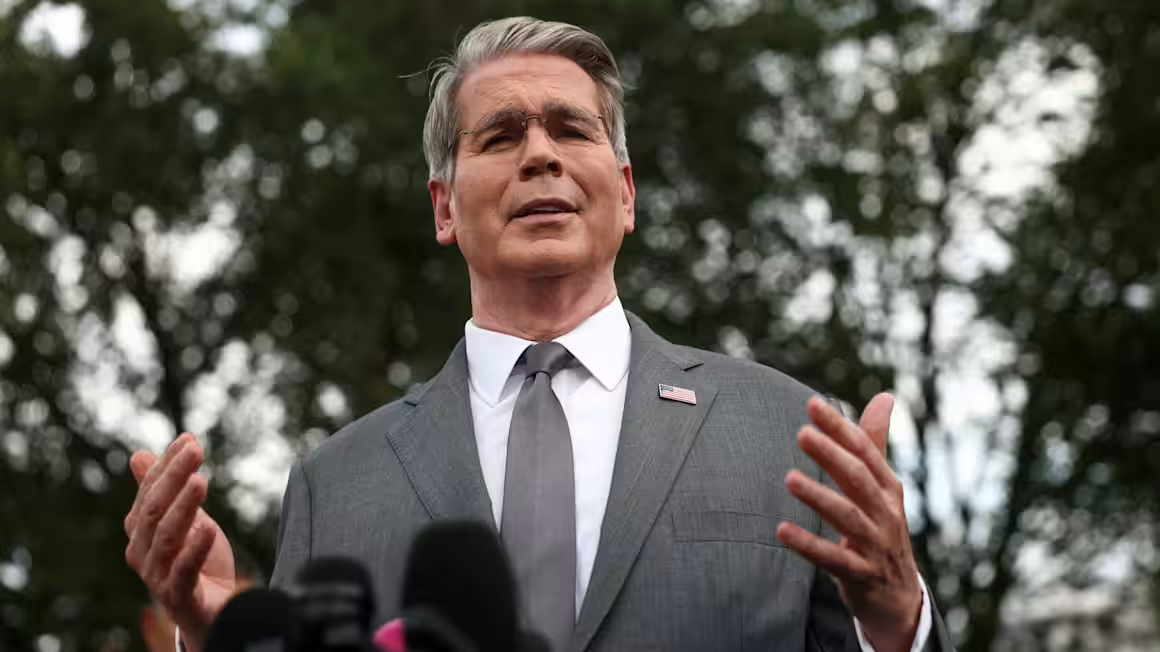
Bitcoin and gold prices have surged as US Treasury Secretary Scott Bessent’s intervention in the bond market placed downward pressure on the US dollar. The move has provided a significant boost to alternative assets, with the world’s largest cryptocurrency on track for its best weekly performance in more than three years.
The price action comes against a backdrop of shifting sentiment in US markets. Recent data indicated easing inflation, while corporate earnings, including results from Cisco and Cerebras, have exceeded expectations. These factors contributed to a rise in US stock futures for the Dow Jones, S&P 500, and Nasdaq-100 earlier in the month.
However, the focus has now turned to the impact of Treasury policy on the currency. Bessent’s actions in the bond market are attributed to the recent weakness in the dollar, which has historically supported the value of hard assets like gold and digital assets like Bitcoin. Investors are closely monitoring how this dynamic will evolve as the week concludes.
Oil prices have also experienced fluctuations, driven by geopolitical tensions in the Red Sea and the Gulf of Oman. Recent attacks on vessels and a worsening oil spill near Oman have raised concerns over supply disruptions, adding another layer of complexity to the global risk landscape.
While the specific scale of Bessent’s intervention has not been fully detailed, its immediate effect on the dollar is evident. The surge in Bitcoin and gold suggests that investors are seeking hedges against currency weakness, a trend that has gained momentum as the cryptocurrency approaches a multi-year weekly high.
The interplay between monetary policy, inflation data, and geopolitical risk continues to shape market direction. As the US administration shifts focus to economic pressure campaigns in the Strait of Hormuz, the interplay between these factors remains a key driver for asset allocation decisions.