Bipartisan effort targets Israel defence integration clause in US military budget
Lawmakers argue the provision obscures aid and ties American forces to Israeli technology, drawing sharp rebuttals from allies who cite national security benefits.
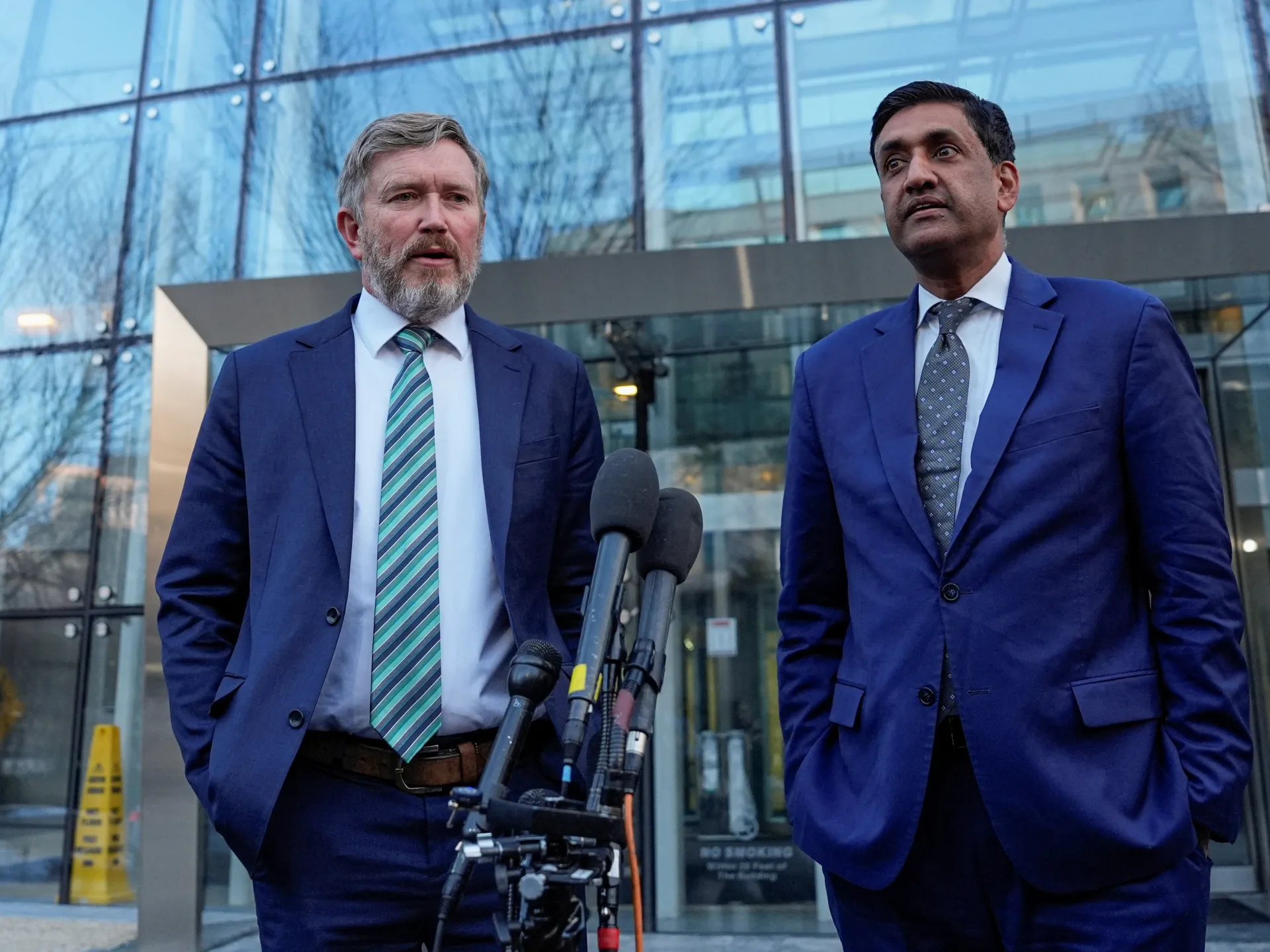
US Congressmen Ro Khanna and Thomas Massie have launched a bipartisan initiative to remove Section 224 from the upcoming National Defense Authorization Act, a provision designed to deepen military integration with Israel. The section would appoint an executive agent to oversee joint technological development, including defence research, testing, and industrial cooperation between the two nations.
Khanna, a Democrat serving on the House Armed Services Committee, confirmed he will propose an amendment to delete the clause. His Republican colleague, Thomas Massie, warned that he would oppose the bill on the House floor if it passes the committee, framing the issue as a matter of US sovereignty. Massie stated on social media that the United States must remain independent from foreign governments, while Khanna pledged to support the effort, also criticising President Donald Trump for his role in Massie’s recent primary defeat.
Critics of the measure argue that framing military aid as technological cooperation reduces transparency and obscures the true nature of US support. The provision risks tethering the US military to its Israeli counterpart at a time when public opinion is shifting. Recent polling indicates that 57 percent of US voters oppose providing Israel with additional economic and military support, while 62 percent disapprove of the Israeli-Palestinian conflict.
The conflict in Gaza, which began in 2023, has resulted in over 75,000 deaths, prompting widespread international condemnation. The US has faced criticism for its backing of Israel during the war and its campaign in Lebanon. Concerns have also been raised regarding Israel’s increasing reliance on artificial intelligence for surveillance and targeting, with opponents questioning the safety of adopting Israeli technology.
Opposition to the amendment remains strong within parts of Congress. Republican Derrick Van Orden accused Massie of anti-Semitism for speaking out against the security agreement, arguing it allows the US to leverage advanced Israeli technologies. Massie countered by citing the 2024 pager explosions involving Hezbollah, questioning whether such deals qualify the US for similar technologies. The $1.15 trillion NDAA also includes a separate section mandating cooperation on anti-tunnel and anti-drone capabilities.