Biographer challenges 'dumb blonde' stereotype at Marilyn Monroe centenary
As the centenary of Marilyn Monroe’s birth is marked, a new biography reframes the Hollywood icon as a determined figure who actively challenged societal and industry constraints.
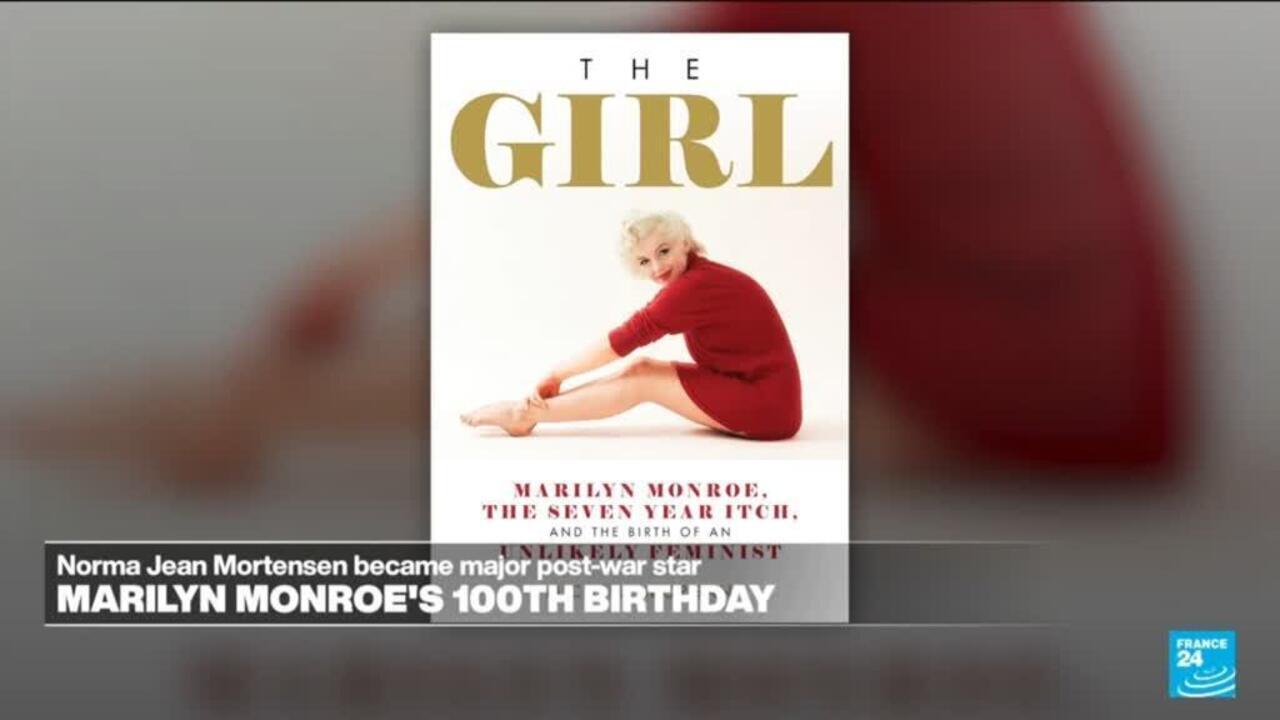
One hundred years after the birth of Marilyn Monroe, the actress remains one of the most recognisable cultural figures of the twentieth century. However, biographer Michelle Morgan argues that the enduring fascination with Monroe often obscures the complexity of the woman behind the public image. Speaking to France 24, Morgan contends that popular culture has largely immortalised Monroe as a glamorous "dumb blonde", a stereotype that fails to capture the reality of her character and ambitions.
In her book, *The Seven Year Itch, and the Birth of an Unlikely Feminist*, Morgan presents a counter-narrative to the prevailing historical perception. She describes Monroe as a determined and intellectually curious individual who was far more than the caricature often presented in media. According to Morgan, this reductive view has long overshadowed the substantive efforts Monroe made to navigate her career and public life.
Morgan posits that Monroe was a "surprisingly modern" figure who actively challenged the limitations imposed upon her by both Hollywood and broader society. Rather than passively accepting the roles dictated to her, the biographer suggests Monroe engaged in a persistent struggle against the structural constraints of the mid-20th-century entertainment industry.
The centenary of Monroe’s birth provides a timely opportunity to reassess her legacy through this lens. While the "dumb blonde" label remains entrenched in popular consciousness, Morgan’s analysis offers a more nuanced perspective, highlighting the agency and intellectual depth that were frequently ignored by contemporaries and historians alike.
This reinterpretation suggests that Monroe’s relevance today extends beyond her iconic status. By framing her as a figure who resisted imposed limitations, Morgan argues that Monroe’s approach to her career and identity resonates with modern understandings of feminism and personal autonomy, making her story as pertinent now as it was during her lifetime.