Bill Nighy on & Sons, the death of the working lunch and why he still begs for a novel
Speaking from London, Bill Nighy reflects on his new film & Sons, his podcast Ill-Advised, and the ‘reckless restraint’ that defines his career.
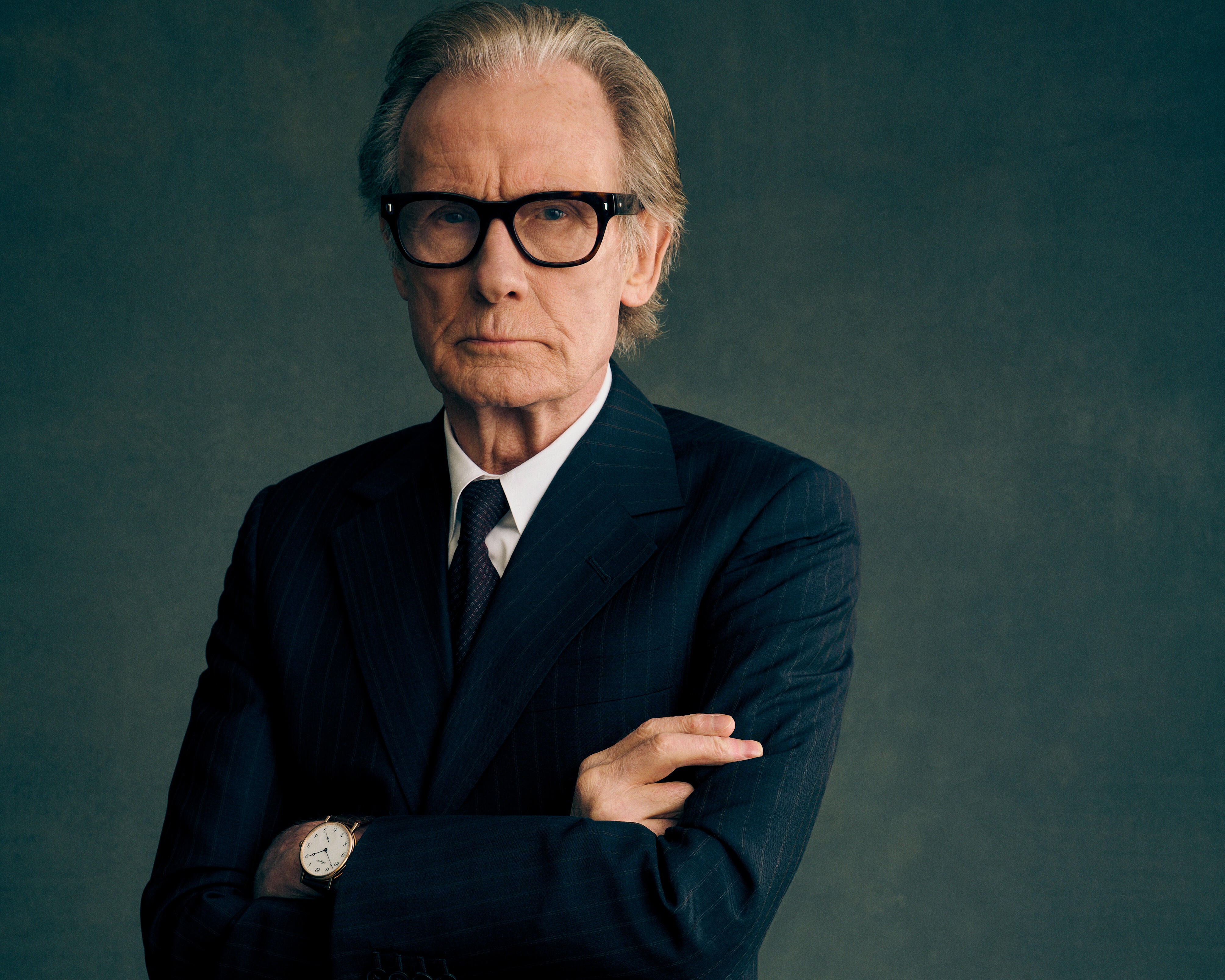
As his new film & Sons hits screens, Bill Nighy is reflecting on a career defined by understated excellence and a personal philosophy that increasingly favours solitude over spectacle. Speaking from north-west London, the actor describes his latest character, AN Dyer, as a revered novelist who mirrors the reclusive nature of JD Salinger and the dishevelled appearance of Catweazle. Dyer refuses to answer the telephone, a trait Nighy contrasts with his own enthusiastic use of mobile technology, though he maintains strict boundaries regarding other forms of digital interaction.
Nighy’s approach to modern communication is highly selective. While he admits to being an enthusiastic texter, he remains philosophically opposed to most emojis, citing them as naff. His exceptions are specific and idiosyncratic: he approves of the flamingo, the purple dahlia, the leaping shark, and the golfer in mid-swing, but draws the line at smiley faces. Furthermore, he has formally retired from Zoom calls, stating that the medium made him unhappy, and has ruled out working lunches entirely, describing them as confusing and an unnecessary prolongation of professional obligations.
The film & Sons introduces an eccentric twist that nudges the narrative into science fiction, pitting Dyer against his vexed older offspring, played by Johnny Flynn and George MacKay, and his ex-wife, portrayed by Imelda Staunton. The character is an abrasive and emotionally absent parent who believes his literary talent excuses his behaviour. Nighy rejects this justification, calling the idea that temperament excuses bad conduct anathema to him. He notes that while he is not typically cast in roles requiring rage or misanthropy, he finds the challenge refreshing, particularly given his history of playing endearingly flawed, gentle figures.
Nighy’s own path to acting was far from linear. At 15, he took a job at The Field magazine in Caterham, Surrey, where his responsibilities included changing roller towels in the ladies’ room. His youthful excitement for luxury cars once saw him jumping up and down in the street, resulting in a reprimand from the CEO. Driven by a desire to be a writer, he eventually ran away to Paris, frequenting Shakespeare & Company before ending up begging on the Trocadéro. He eventually enrolled in drama school, though he admits he still procrastinates on writing his own novel.
Despite his literary ambitions remaining unfulfilled, Nighy has found a new voice through his podcast, Ill-Advised. Serving as an agony uncle, he offers meandering advice on topics ranging from fashion to social etiquette, a format that has earned the show over 300,000 monthly listeners and the title of 2026 Podcast of the Year from the Broadcasting Press Guild. Nighy attributes his enduring appeal to a style of “reckless restraint,” a quality he admires in heroes such as Steve McQueen and Prince, whose artistic confidence and physical prowess he continues to emulate in spirit.