Big Ten Media Days: Conference Dominance Meets Leadership Turmoil
As the Big Ten Conference convenes its 2026 media days, the institution faces a critical juncture between entrenched dynasty status and the structural instability of the modern transfer portal era.
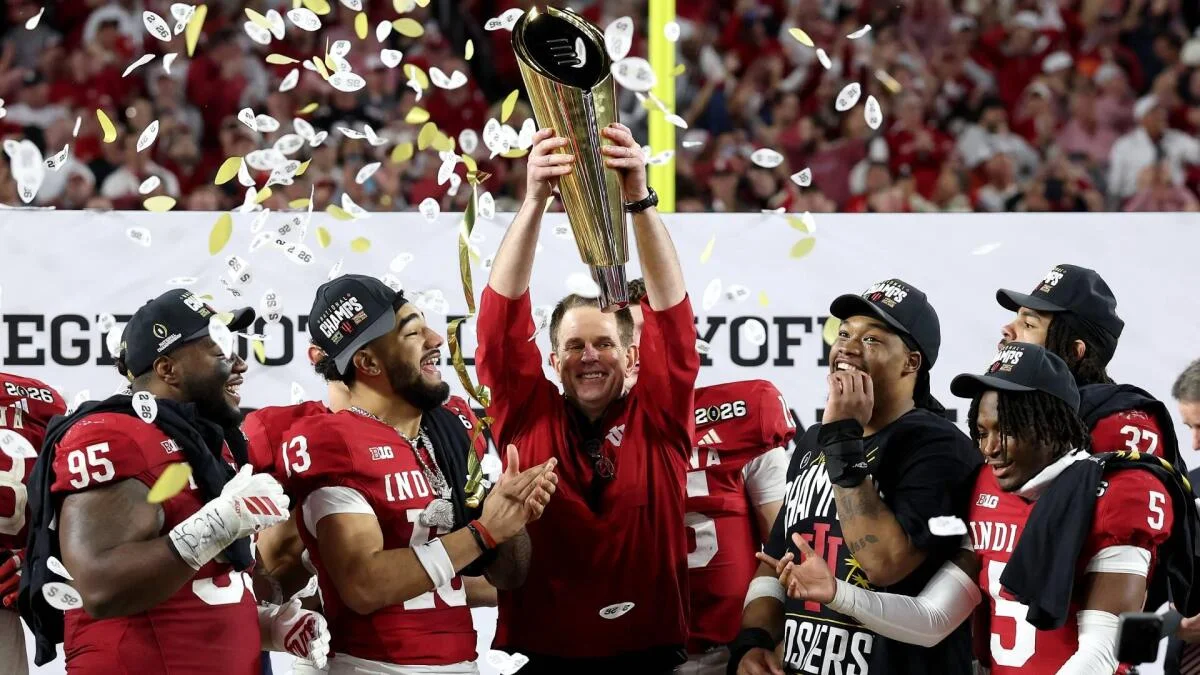
The Big Ten Conference has arrived at its 2026 media days in Chicago with an unassailable reputation as the preeminent force in collegiate athletics. Having secured three consecutive football national championships alongside men’s and women’s basketball titles, the conference enters the event with 18 programs and a mandate to defend its status. However, the landscape is shifting rapidly, characterised by significant leadership transitions and intense internal competition that challenges the sustainability of its current dominance.
Four new head coaches are set to address the media at the Hilton Chicago, marking a generational shift within the conference’s administrative and coaching structures. Michigan has appointed Kyle Whittingham, while Michigan State has hired Pat Fitzgerald. Matt Campbell has taken the helm at Penn State, and Barry Odom has arrived at Purdue. These appointments reflect a broader strategy among member institutions to secure top-tier leadership capable of navigating the complexities of the modern game, where roster management is heavily influenced by the transfer portal and Name, Image, and Likeness (NIL) regulations.
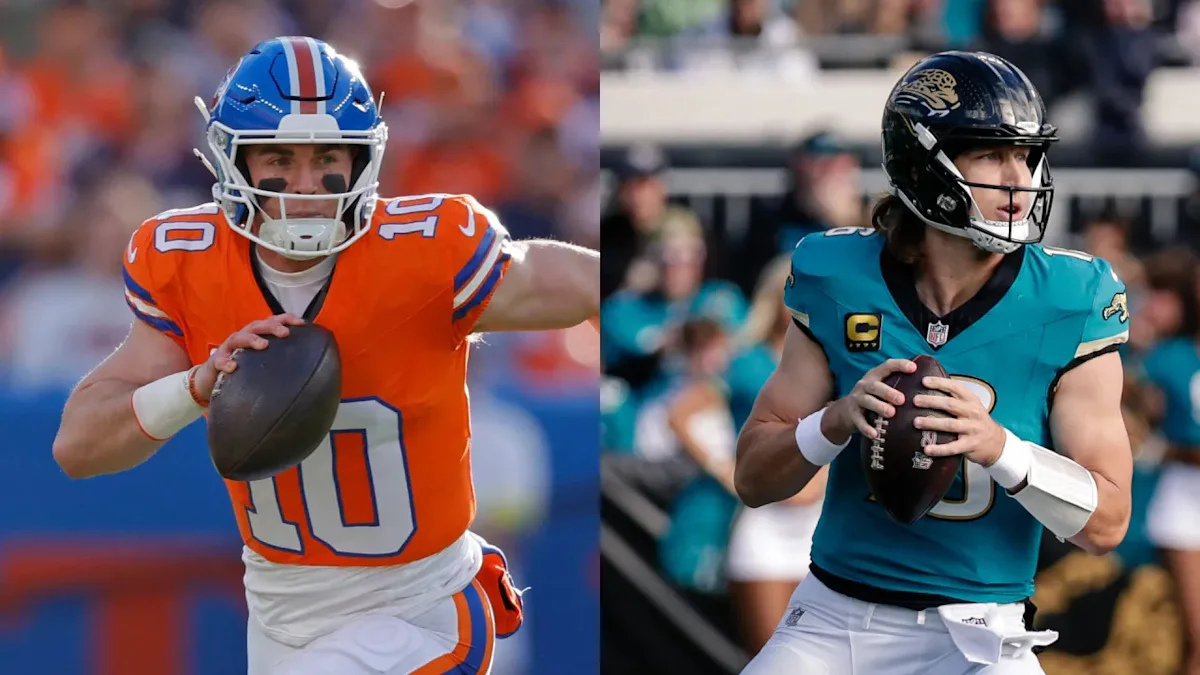
Indiana enters the season as the defending national champion, having completed a historic 16-0 campaign—the first perfect season in major college football history. The Hoosiers’ ascent from the bottom of the standings to the pinnacle of the sport has forced a recalibration of expectations across the conference. With the introduction of new talent such as quarterback Josh Hoover and receiver Nick Marsh, the focus now shifts to whether the current coaching staff can maintain this trajectory or if the internal competition will dilute the conference’s overall strength.
Other member institutions face distinct structural challenges that will define their immediate futures. Illinois, Maryland, Nebraska, and Wisconsin are grappling with quarterback transitions and defensive rebuilds, while also operating under heightened coaching pressure. The departure of key personnel, including record-breaking quarterbacks and defensive anchors, has left several programs in a state of flux. These teams must now determine if they can compete effectively in an environment where five-star recruits and homegrown talent are no longer the sole prerequisites for success.
The broader narrative at media days will centre on whether the Big Ten can sustain its dynasty amidst the churn of the transfer portal. As schools pour record amounts of funding into their rosters to retain talent, the conference must address whether this model is sustainable or if it risks internal fragmentation. The coming weeks in Chicago will provide critical insight into how these 18 programs intend to balance ambition with the realities of a rapidly evolving collegiate sports ecosystem.