Big 12 Formalises Private Equity Partnership to Address Revenue Deficit Amidst NIL Pressures
The conference partners with RedBird Capital and Weatherford Capital to secure sponsorship revenue, direct investment, and an opt-in credit facility as it seeks to close a widening financial gap.
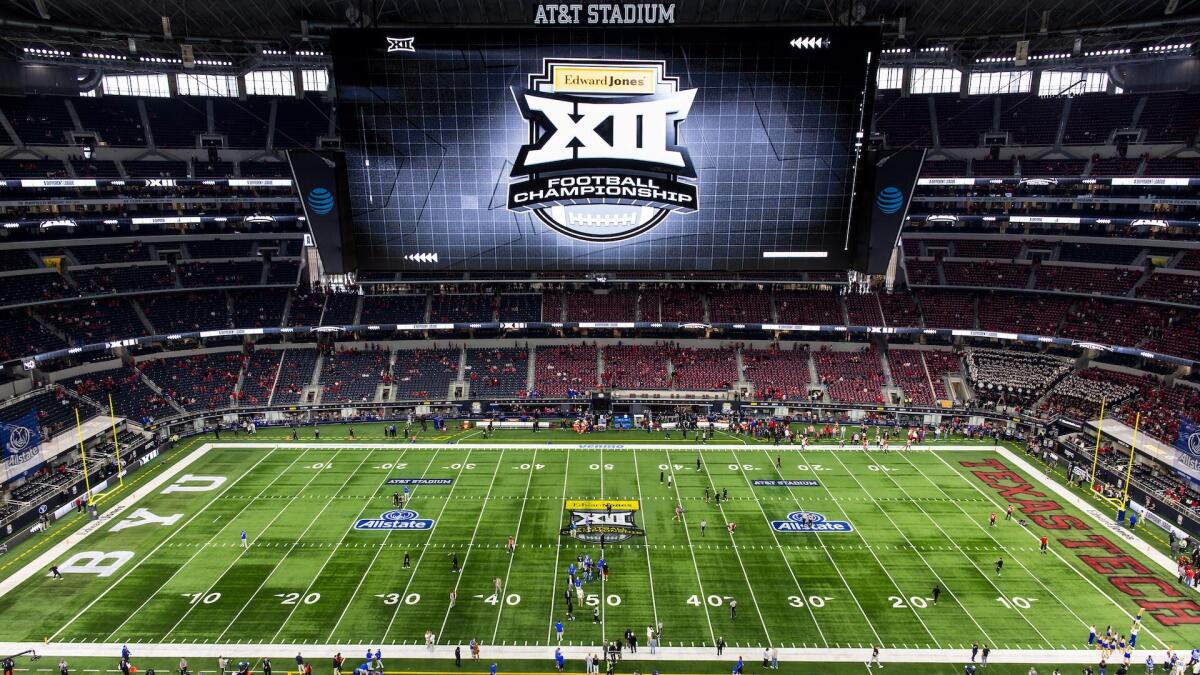
The Big 12 Conference has formalised a strategic partnership with private capital firms RedBird Capital Partners and Weatherford Capital to address its significant revenue deficit. The collaboration is structured under the entity Collegiate Athletic Solutions (CAS) and is designed to assist the conference in competing financially with rivals like the Big Ten amidst rising operational costs and the financial pressures of the Name, Image, and Likeness (NIL) era. This arrangement marks a shift following a failed attempt by Commissioner Brett Yormark to secure an equity stake from CVC Capital Partners in 2024.
The deal involves three interconnected business lines intended to provide capital and business expertise to member institutions. The first component is a commercial sponsorship operation led by RedBird Development Group, which has already secured two major sponsors, generating approximately $100 million in new revenue. This includes a partnership with PayPal that involves on-field logos, co-branded credit cards, and a Venmo system for athlete payments.
The second element of the agreement is a direct investment of $12.5 million from CAS to build new revenue-generating businesses owned at the conference level. This approach mirrors strategies previously employed in professional sports, focusing on monetising intellectual property rather than taking minority stakes in individual teams. The third component is an opt-in credit line offering up to $30 million per school, with repayment sourced from the Big 12's annual revenue distribution to schools.
While the deal was approved by the conference, at least 11 of the 16 member schools have initially declined the credit line. This reluctance highlights the cautious approach taken by athletic directors, who are reportedly waiting to see potential legislative or regulatory changes before committing to such capital relationships. The structure allows schools to revisit the facility in the future, framing the immediate arrangement as an educational process regarding capital management.
The partnership aims to close the revenue gap with the Big Ten, which recently generated $928 million, while the Big 12's revenue has been reported as less than half of that figure. The arrangement also addresses the context of revenue-sharing contracts with players, which are set to enter their second year following the House v. NCAA settlement. The five-year agreement with CAS is scheduled to expire in June 2031, coinciding with the expiration of the conference's media rights contract with ESPN and FOX.