Bessent signals shift from combat to economic pressure in Iran conflict
US Treasury Secretary Scott Bessent indicated that large-scale military operations against Iran are unlikely to resume, as the administration unveils a new economic strategy nearly six months into the war.
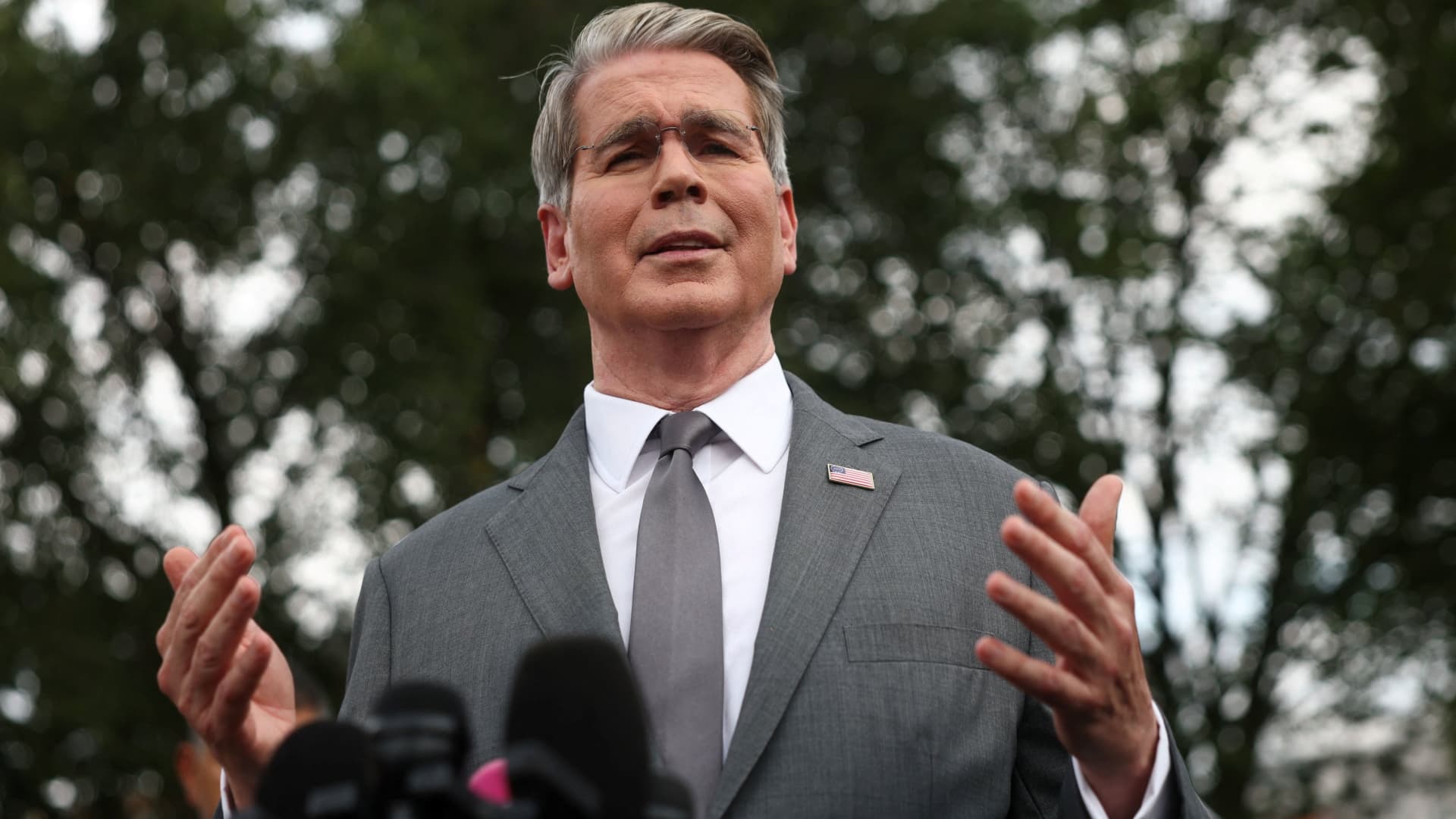
Scott Bessent has stated that the United States is unlikely to resume large-scale combat operations against Iran, marking a strategic pivot towards intensifying economic pressure. The Treasury Secretary made the remarks alongside President Donald Trump, who jointly unveiled the new economic operation.
The announcement comes nearly six months into the ongoing Iran war, a conflict that continues without a clear end in sight. By shifting focus to economic measures, the administration appears to be seeking an alternative path to resolution rather than returning to broad military engagements.
The specific details of the economic operation were unveiled by Bessent and President Trump, though the full scope of the measures remains under analysis. This move suggests a calculated approach to squeezing Iran’s economy while managing the risks associated with further military escalation.
Broader regional dynamics are also influencing the administration’s strategy. President Trump recently ordered a substantial reduction in joint military exercises with South Korea, a decision linked to Seoul’s refusal to join the U.S.-Israel war on Iran. This diplomatic friction highlights the complex coalition challenges facing Washington.
Simultaneously, Trump has been engaging in diplomatic outreach with North Korean leader Kim Jong Un. The President described recent exchanges as "very positive," indicating a multi-front approach to stabilising the region while focusing economic leverage on Iran.
For investors and institutions, the shift from kinetic to economic tools may signal a different risk profile for the conflict. The administration’s emphasis on economic pressure suggests a long-term strategy, even as the war remains unresolved and the timeline for peace remains uncertain.