Berlin voices opposition to Israeli expansion of Gaza military control
The German government has formally expressed concern over Israeli Prime Minister Benjamin Netanyahu’s directive to increase military control in Gaza to 70 percent, a move that contravenes the October ceasefire agreement.
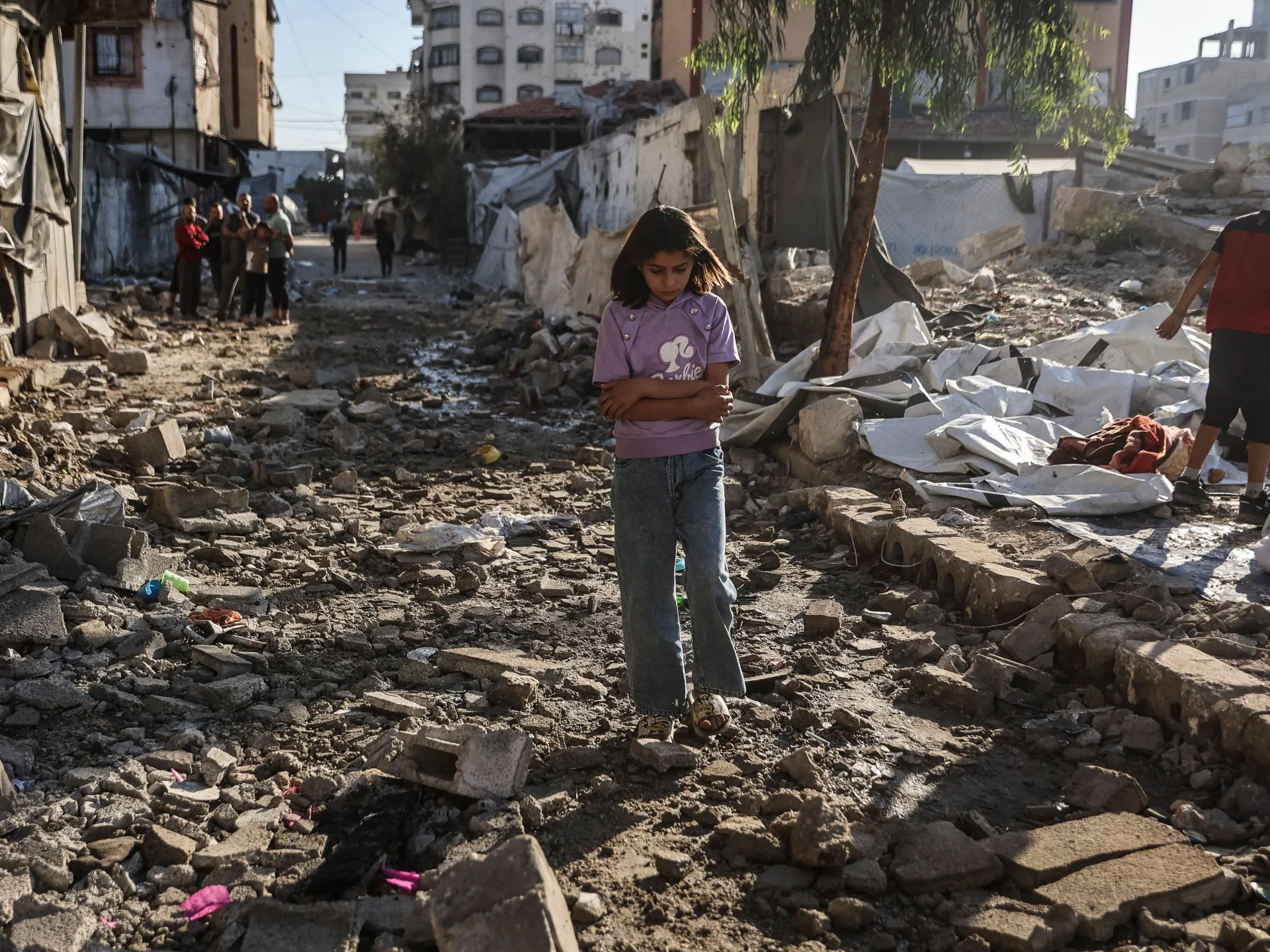
The German government has expressed concern regarding Israeli Prime Minister Benjamin Netanyahu’s order to increase military control in Gaza to 70 percent. A spokesperson for the German Foreign Office stated on Friday that Berlin opposes any permanent division of the enclave. This stance marks a shift in Berlin’s position towards one of its key allies, as Germany has long been a strong supporter of Israel and its second-largest weapons supplier.
The expansion of Israeli control raises questions about the durability of the October ceasefire brokered by the United States, Qatar, and Turkiye, which required Israeli forces to withdraw to control approximately half of Gaza. Since the ceasefire, Israeli control has steadily expanded, raising fears of a return to full-scale war. The move also worsens conditions for Gaza’s 2.3 million residents, who are currently confined to about 35 percent of the territory.
Speaking on Thursday, Netanyahu stated that Israel had moved from controlling 50 percent to 60 percent of the enclave and had now ordered the military to increase control to 70 percent. “We’re pressing them [Hamas] from all sides,” he said. The Israeli military had previously agreed to withdraw behind the ‘Yellow Line’ artificial border in October, leaving it occupying about 53 percent of Gaza.
Germany has long been a strong supporter of Israel but has recently criticised actions such as the annexation of West Bank territory and the implementation of the death penalty for Palestinians. Defence Minister Israel Katz previously suggested efforts were underway to encourage “voluntary emigration” of Palestinians, a term critics argue is a euphemism given the destruction of infrastructure.
Gareth Dale from Brunel University described Netanyahu’s plans as an “egregious breach of the terms of the ceasefire,” attributing the move to political concerns ahead of parliamentary elections in October. A UN and EU report published last month estimated that more than $70bn is needed over the next decade for recovery, noting that more than 50 percent of hospitals are non-functional.
On Friday, Israel announced that it had killed senior Hamas commander Imad Hassan Hussein Aslim and a colleague in a strike earlier in the week. Hamas has not commented on the announcement. The continued military operations and expansion of control persist despite the fragile diplomatic framework established earlier in the year.