Berlin blames Moscow for Leipzig drone incident, triggers diplomatic fallout
German intelligence has linked an explosive-laden drone found at Leipzig-Halle airport to Russian technology, prompting the closure of diplomatic facilities and a fresh round of sanctions recommendations.
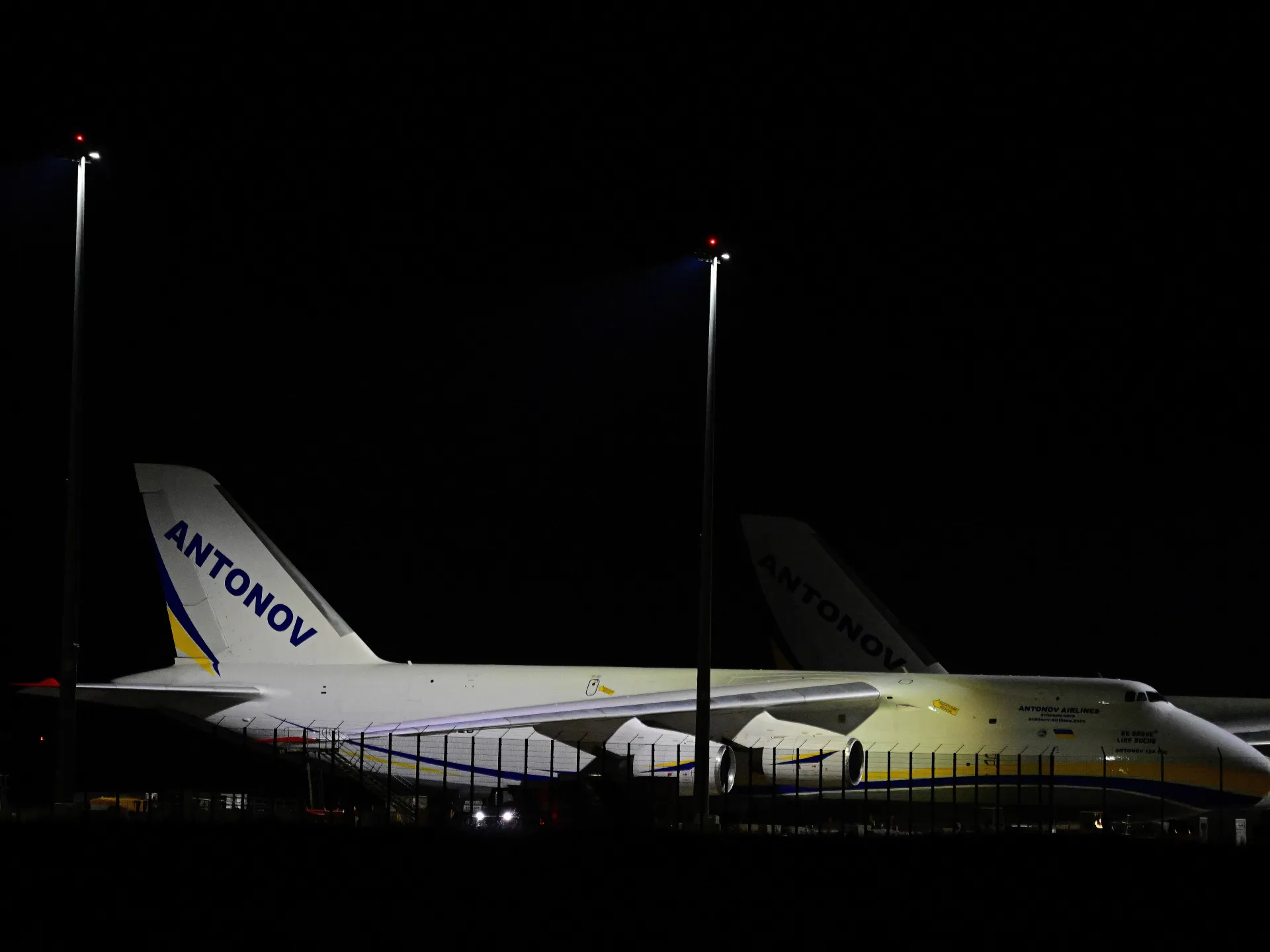
The German government has formally attributed an attempted drone attack at Leipzig-Halle airport to Russia, citing intelligence findings that link the device’s components to technology used in the war in Ukraine. Interior Minister Alexander Dobrindt stated that the configuration of the explosive-laden drone, discovered near a Ukrainian cargo aircraft on 4 August, was consistent with Russian military hardware.
Dobrindt described the operation as the work of low-level agents acting on behalf of Russian state entities, noting that while the specific state bodies were not identified, the technical expertise required indicated a high level of sophistication. A second drone was reportedly destroyed after colliding with an aeroplane near the airport, which is a major cargo hub in the eastern state of Saxony.
In response to the findings, Foreign Minister Johann Wadephul announced that the Russian consulate in Bonn will be shuttered starting 18 September. The Russian House in Berlin, a cultural gathering place, will also be closed, although a specific date has yet to be determined. The German Foreign Ministry has also summoned the Russian ambassador to discuss the incident and has recommended that more Russian nationals be added to the European Union’s sanctions list.
Moscow has denied involvement, with the Russian Embassy in Berlin describing the claims as absurd. President Vladimir Putin suggested that the German government under Chancellor Friedrich Merz was planting evidence to distract from domestic issues and falling approval ratings. The timing of the announcement coincides with elections in Saxony-Anhalt on 6 September, where the far-right Alternative for Germany (AfD) party is currently leading in polls.
NATO allies, including Poland, Italy, the United Kingdom, Sweden, and the Czech Republic, have backed Berlin’s position. The Czech Foreign Ministry stated that whenever Russian hybrid activities target one ally, all are exposed. European Commission President Ursula von der Leyen is expected to discuss the incident with NATO Secretary-General Mark Rutte, while EU foreign ministers prepare a joint response.
The incident is viewed by officials as part of a broader campaign of hybrid warfare in Europe, defined as low-level operations that remain below the threshold of open conflict. The Associated Press has logged approximately 200 incidents of sabotage and malign activity in Europe since 2022. Ukraine has welcomed Germany’s measures, with Ambassador Oleksii Makeiev praising Berlin’s response as a key strategic partner in the ongoing conflict.