Berkshire’s Abel signals data centres must fund their own grid impact
At the 2026 annual meeting in Omaha, Greg Abel and Warren Buffett outlined the structural realities of energy markets, with Abel insisting that hyperscalers bear the full cost of grid expansion rather than subsidising residential ratepayers.
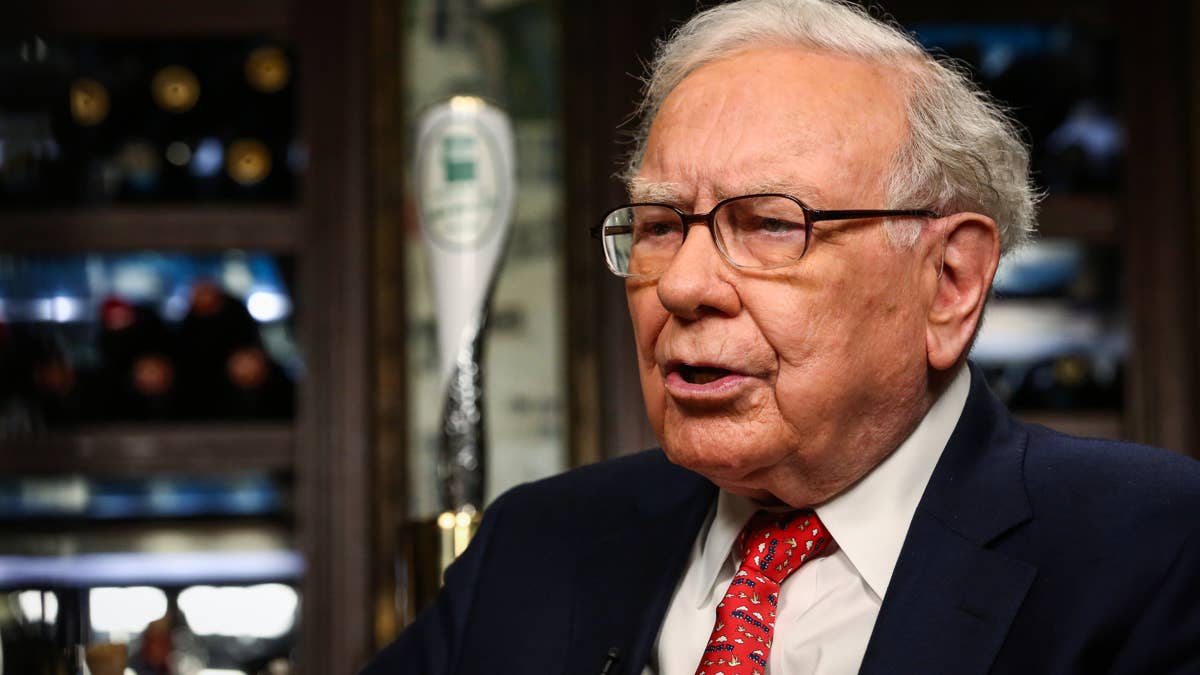
Greg Abel, presiding over the 2026 Berkshire Hathaway annual meeting in Omaha for the first time as chief executive, outlined a stark shift in how utility costs associated with artificial intelligence infrastructure should be allocated. Speaking alongside Chairman Warren Buffett, Abel stated that new data centre loads must bear the full cost of their incremental impact on the grid, rejecting the notion that these expenses should be subsidised by residential and commercial customers.
Abel highlighted a projected 50 per cent growth in electricity demand in Iowa over the next five years, driven by the rapid expansion of data centres and AI infrastructure. He noted that these facilities operate continuously and are being built at a pace the existing grid was not designed to absorb, necessitating significant capital investment.
The chief executive’s position carries direct implications for ratepayers. Abel argued that if a hyperscaler seeks to connect substantial capacity to the Iowa grid, the connection costs should not be spread across homeowners. This stance signals Berkshire’s intent to ensure that the entities driving demand shoulder the financial burden of the necessary infrastructure upgrades.
Warren Buffett characterised the broader energy system as functioning correctly, noting that higher demand and investment naturally lead to higher prices to fund that infrastructure. Buffett described energy as a toll road with increasing traffic, contrasting it with the broader investing environment which he likened to a church with a casino attached. His comments suggested that the economy adjusts to these pressures, with utility owners positioned to perform well as bills rise.
Berkshire Hathaway Energy holds a dominant position in this sector, moving 15 per cent of all natural gas consumed across the United States and owning major utilities including MidAmerican Energy, PacifiCorp, and NV Energy. The company also maintains significant equity positions in Chevron and Occidental Petroleum, assets that benefit from rising energy prices.
Abel acknowledged the severe strain on the regulatory compact governing utilities, citing inflation, accelerating demand, and wildfire liabilities as key pressures. PacifiCorp, for instance, has faced substantial litigation following the 2020 Oregon wildfires. Meeting the projected demand growth while managing these operational risks presents a complex challenge for the utility sector.
For consumers and investors, the message from Omaha is that energy infrastructure investment is accelerating in direct response to demand. The costs of this expansion are inevitable, and the primary question remains how those costs are allocated between large industrial users and the general public.