Bennett and Lapid launch 'Together' bloc to challenge Netanyahu's tenure
Far-right leader Naftali Bennett and centrist opposition figure Yair Lapid have announced the resumption of their political alliance, establishing a new party called 'Together' under Bennett's leadership to contest the government.
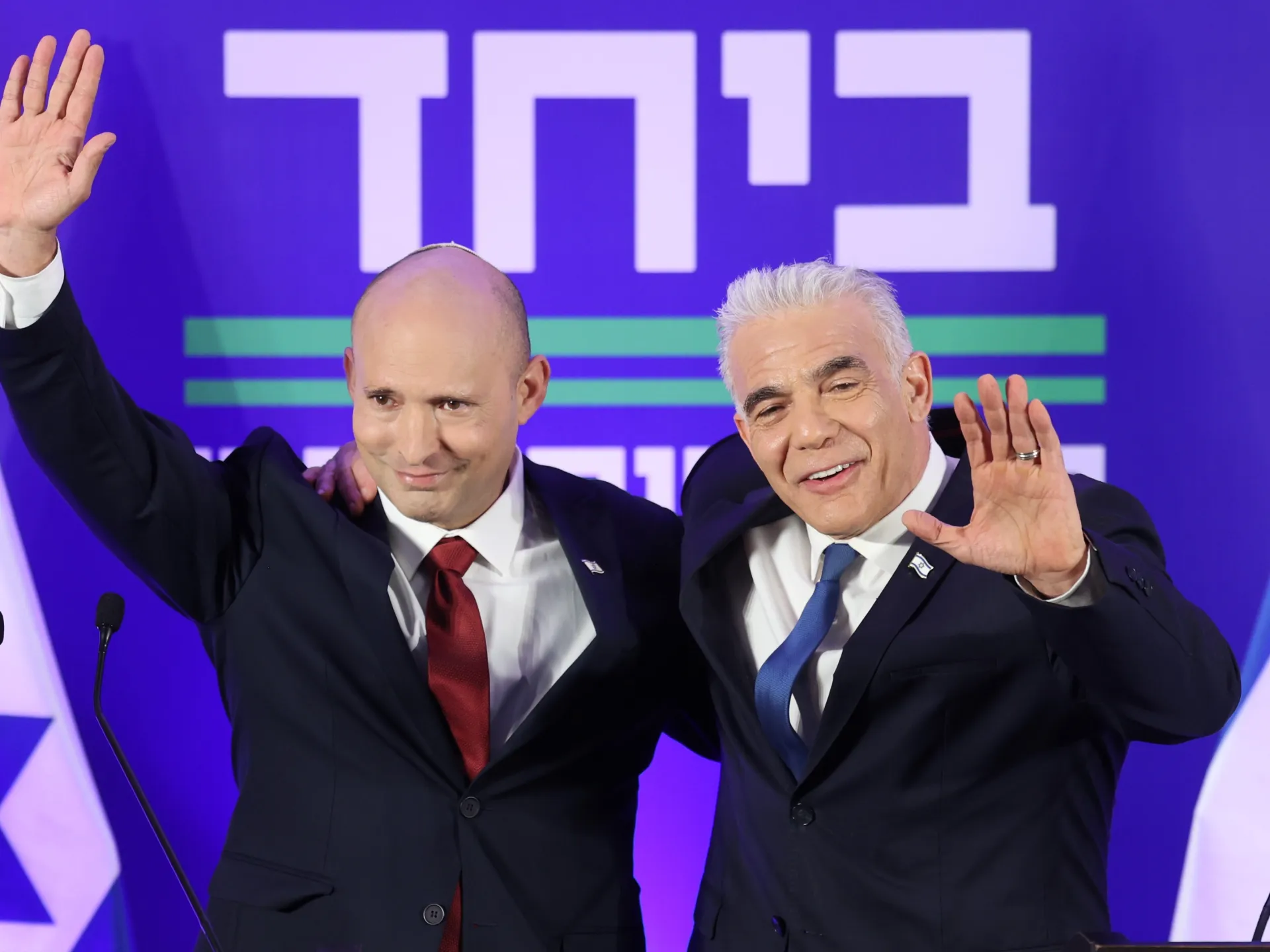
Israeli far-right leader Naftali Bennett and centrist opposition leader Yair Lapid have formally announced the resumption of their political alliance to unseat Prime Minister Benjamin Netanyahu. Speaking in Herzliya, the pair established a new party named 'Together', which will operate under Bennett's leadership. This move marks a renewed bid to end Netanyahu's tenure, which is currently threatened by multiple corruption charges and ongoing legal trials.
The new 'Together' bloc is projected by a Jerusalem Post poll to win four fewer seats than the combined total of Bennett's and Lapid's former parties if they had run separately. Furthermore, the projected seat count for the new bloc is one seat fewer than Netanyahu's Likud Party. While the alliance aims to topple the current administration, analysts suggest the bloc may secure fewer seats than their combined previous parties and faces significant internal challenges that may not guarantee a stable government.
Bennett has explicitly stated that the new government will consist only of "Zionist" parties, excluding Arab parties representing Palestinian citizens of Israel. This policy represents a sharp reversal from the 2021-2022 administration, which included a party representing Palestinian citizens for the first time. Critics warn that by excluding Arab parties, the new bloc offers little change for Palestinians and risks delegitimising the Arab vote.
The previous partnership between Bennett and Lapid toppled Netanyahu's government in 2021, leading to a coalition that eventually collapsed in 2022 due to defections from Bennett's bloc to Likud, internal disagreements over security and West Bank policy, and months of infighting. Despite this history, the new alliance faces the same structural hurdles, with other potential allies, such as former chief of staff Gadi Eisenkot, having not yet confirmed their participation.
Netanyahu's primary political strength remains his nationalism, which appeals to a population supportive of the war in Gaza and the occupation, despite his declining popularity following the October 7, 2023 attacks. Bennett has previously advocated for a "shoot-to-kill" policy against Palestinians attempting to cross the Gaza border and has opposed the creation of a Palestinian state. Analysts note that while the alliance may succeed in toppling Netanyahu, it faces significant internal challenges and may not guarantee a stable government.
Political analyst Nimrod Flashenberg described the current situation as more like the semifinal than the final, noting that the anti-Netanyahu bloc is still coalescing. While the corruption charges and attempts to weaken judicial independence have left many Israelis unsatisfied with the current leadership, Flashenberg maintains that Netanyahu's political resilience suggests he may still secure a victory after the elections.