Ben-Gvir’s conduct reflects dominant Israeli society, analysts say
While Prime Minister Benjamin Netanyahu and Foreign Minister Gideon Sa’ar have criticised Itamar Ben-Gvir’s handling of the Global Sumud Flotilla and opposition to a US ceasefire with Iran, political observers contend the minister’s hardline stance is indicative of the governing coalition’s core ideology rather than an isolated outlier.
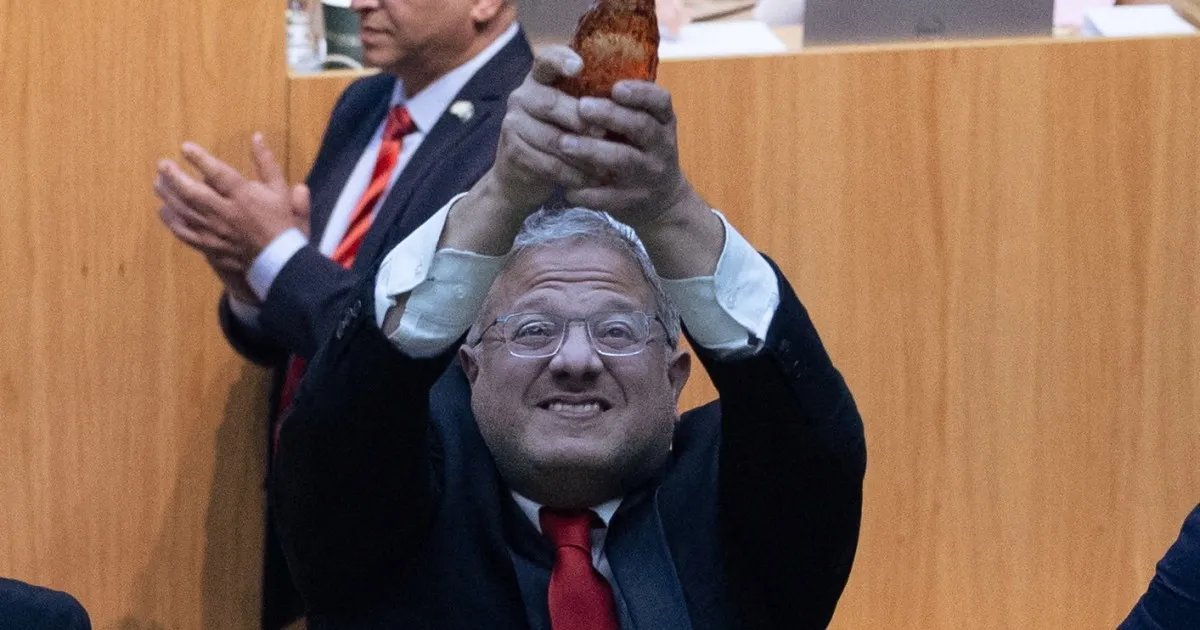
Israel’s National Security Minister Itamar Ben-Gvir has faced intense international scrutiny and domestic rebuke for opposing a proposed United States ceasefire deal with Iran and for the televised harassment of activists from the Global Sumud Flotilla. Prime Minister Benjamin Netanyahu and Foreign Minister Gideon Sa’ar have publicly condemned the minister’s behaviour, with Sa’ar stating that Ben-Gvir is “not the face of Israel” and accusing him of knowingly damaging the state’s international standing. Netanyahu described the spectacle as inconsistent with Israel’s values and norms, seeking to distance the government from the controversy.
Despite these official rebukes, analysts and political opponents argue that Ben-Gvir’s conduct reflects a dominant section of Israeli society rather than acting as a political outlier. Knesset member Aida Touma-Sliman of the left-wing Hadash party suggested that Ben-Gvir’s actions are enabled by other politicians and civil servants who share his beliefs, noting that institutional checks would have prevented such politicisation of the police and prison services. Since assuming the role of National Security Minister in 2022, Ben-Gvir has exerted unchallenged control over these forces, with critics alleging he has moulded the police force in his own far-right image.
The minister’s tenure has been marked by significant policy shifts and controversial incidents. Since October 2023, reports indicate a rapid increase in gun licences for Israeli settlers in the occupied West Bank, coinciding with a spike in deadly violence against Palestinians. Ben-Gvir has also led numerous incursions into the Al-Aqsa Mosque in defiance of government policies and was filmed celebrating the passage of a bill targeting Palestinians with the death penalty in April. Former Israeli government adviser Daniel Levy noted that international criticism has often focused on Ben-Gvir’s provocative style rather than the substantive policies regarding the flotilla, Gaza, and the West Bank.
Israeli pollster Dahlia Scheindlin observed that Ben-Gvir’s policy positions are rarely more extreme than those within the governing Likud party. She described his approach as populist far-right Jewish supremacist politics delivered with a theatrical, provocative style familiar from nationalist-populist politicians globally. This perspective suggests that the minister’s base, comprising secular, traditional, and religious right-wingers, remains firm despite the diplomatic fallout, viewing threats from Palestinians as requiring force and humiliation.
Ben-Gvir’s political trajectory has been defined by long-standing extremist associations, including past convictions for incitement to racism and supporting a terrorist organisation. His alliance with Bezalel Smotrich, leader of the Religious Zionist Party, has cemented their role as public faces for the more extremist aspects of the ruling coalition. While Ben-Gvir has yet to respond to recent criticisms, the consensus among analysts is that his actions are not an aberration but a reflection of the prevailing ideology within the current Israeli government.