Belfast unrest: Arson and evacuations follow anti-immigration protests
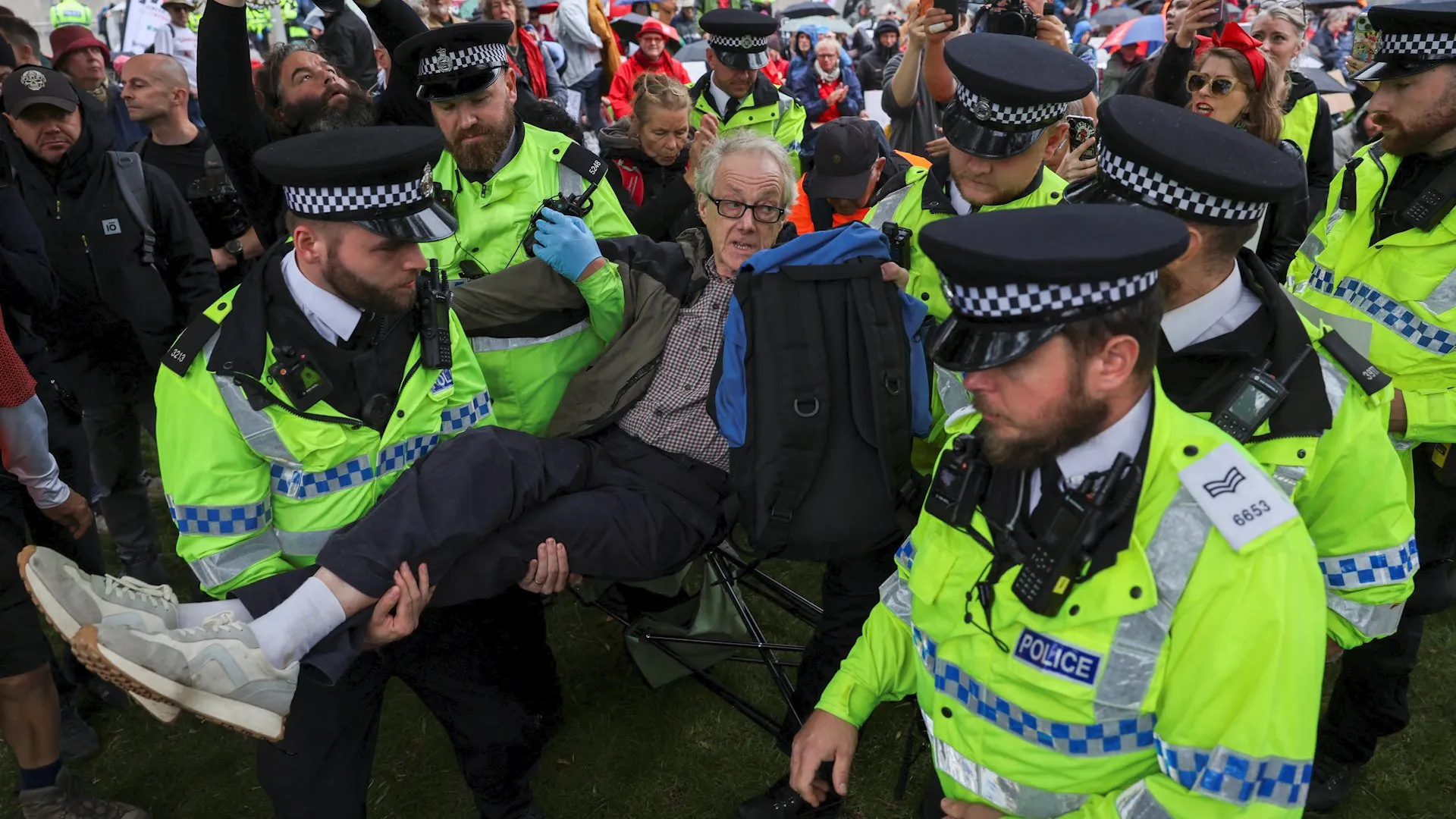
Hundreds of masked demonstrators torched vehicles and a city centre building in Belfast on Tuesday, prompting evacuations and police patrols amid a broader national debate on immigration and security.
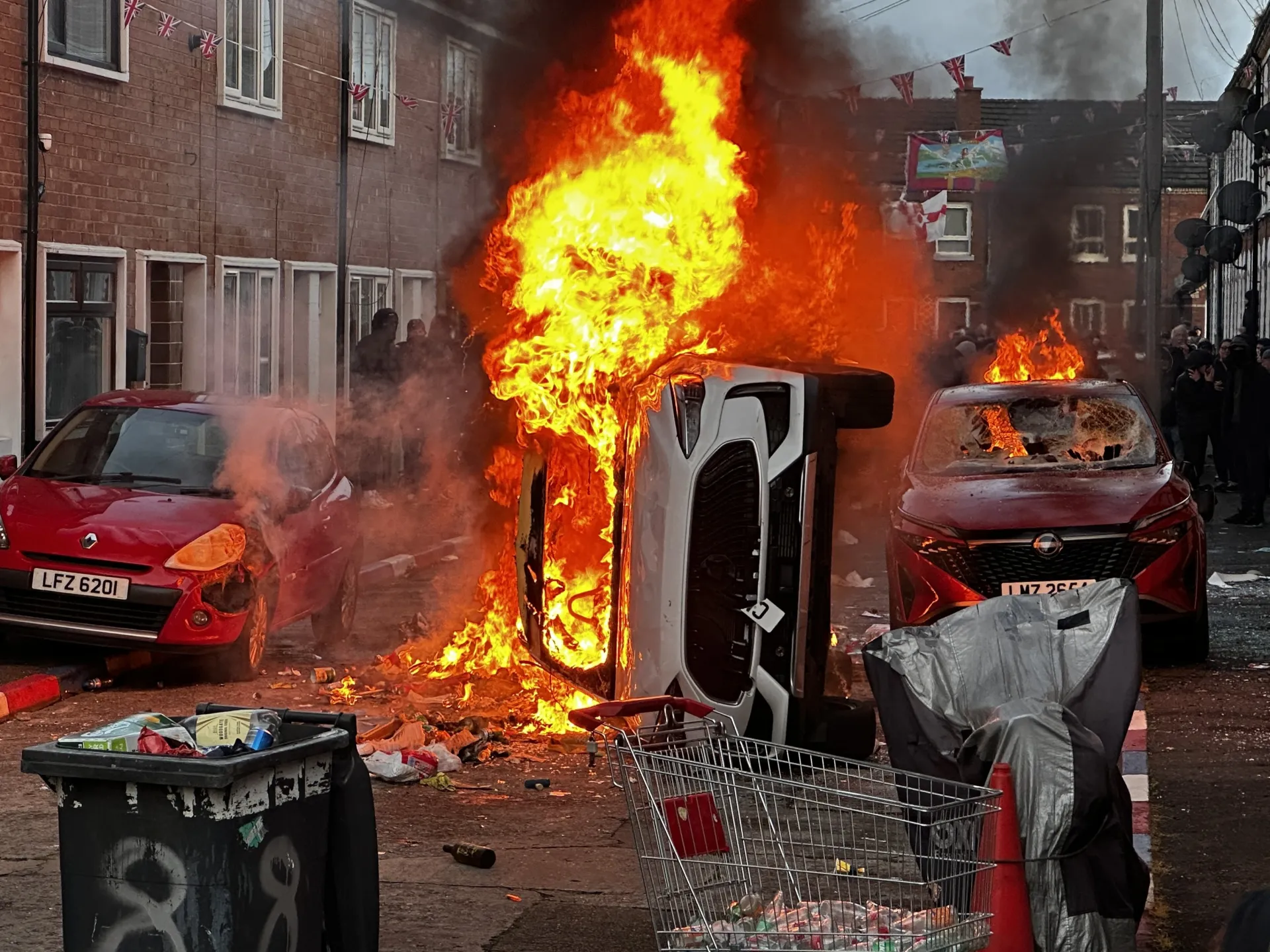
Anti-immigration protests erupted in Belfast on Tuesday evening, resulting in significant property damage and the evacuation of residents. Hundreds of masked demonstrators gathered across the city, setting fire to a bus, several cars, and a building on the edge of the city centre. The blaze in the city centre building necessitated the immediate evacuation of its occupants, while local shops closed early in response to the unrest.
The violence followed a knife attack in north Belfast late on Monday evening, which was captured in a graphic video. British Prime Minister Keir Starmer condemned the initial assault as “sickening”. In the wake of the arson and disorder, Northern Ireland’s political leaders and the region’s chief constable issued statements urging calm. They warned against inciting hate or fear and cautioned against targeting specific communities.
Police helicopters patrolled the area as authorities managed the scene. The unrest occurs against a backdrop of heightened tensions in the United Kingdom regarding immigration and recent high-profile violent incidents. The political climate has been further strained by the murder of a student who was handcuffed by police while dying from stab wounds, after his killer falsely alleged a racist attack.
Immigration has emerged as a highly charged political issue, contributing to the rise of hard-right parties such as Reform UK and Restore Britain in opinion polls. Populist groups have argued that the UK’s asylum policy has allowed dangerous individuals into the country, a sentiment that has fueled repeated protests over recent months.
This is not the first instance of such disorder in the region. Anti-immigration rioting occurred in Northern Ireland last year, sparked by anger over an alleged sexual assault. The current unrest underscores the ongoing challenges facing local governance and national policy as authorities navigate the intersection of public order and political sentiment.