Belfast paralysed by anti-immigrant unrest as digital agitation fuels domestic terror
Northern Ireland’s capital has experienced its third consecutive summer of organised racist violence, with social media campaigns and political rhetoric exacerbating attacks on migrant communities and infrastructure.
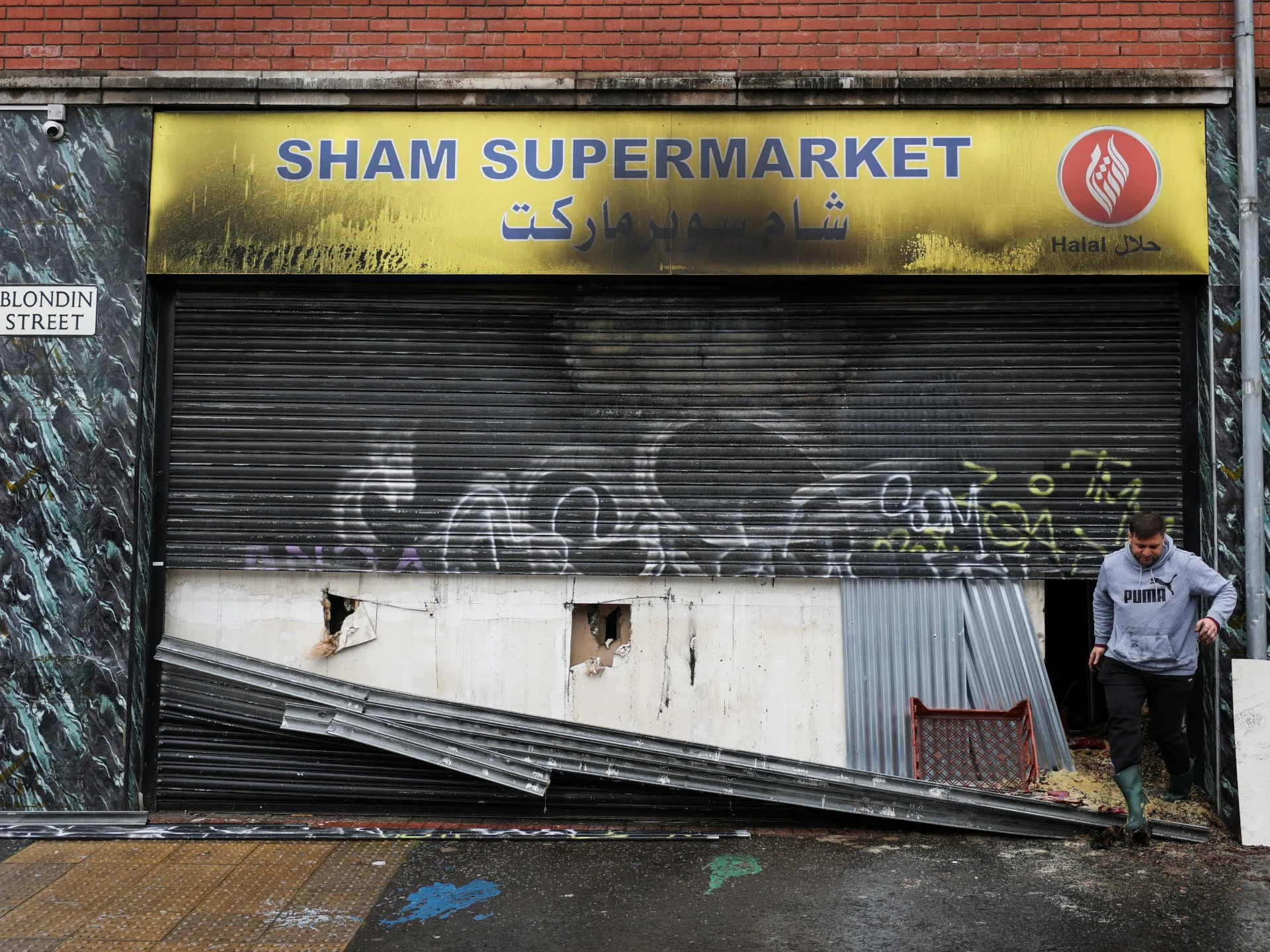
Belfast has been gripped by sustained anti-immigrant riots and violent attacks following a knife incident on Wednesday that left a 44-year-old man with life-changing injuries. The alleged assailant, a 30-year-old Sudanese national who entered Northern Ireland via the Republic of Ireland, has been charged with attempted murder. The victim, Stephen Ogilvie, remains in hospital having lost an eye and sustained severe facial and back injuries.
The unrest has seen agitators, including individuals as young as 10, burn homes and businesses, smash windows, and intimidate residents believed to be migrants or ethnic minorities. Approximately 200 families have been evacuated, with the Northern Ireland Housing Executive assisting 29 households. Police officers in riot gear have come under attack in north Belfast, with bricks and masonry thrown at officers, while informal checkpoints were established in other areas to question drivers about passengers.
The scale of the disruption was significantly amplified by social media campaigns. A list created by AI and shared by prominent figures including Tommy Robinson and Elon Musk urged businesses to close early, resulting in the shutdown of services across the city. Northern Ireland’s Victims Commissioner, Geraldine Hanna, described the ability of distant digital actors to cripple the region’s largest city as a power the devolved government at Stormont lacks, suggesting the attacks should be treated as domestic terrorism.
Political responses have been sharply divided. Sinn Féin leaders John Finucane and Michelle O’Neill were credited with calming tensions, while the new Ulster Unionist Party leader, Jon Burrows, reported being threatened by a mob in east Belfast. In contrast, Democratic Unionist Party (DUP) politicians defended the protests over legitimate immigration concerns, with leader Gavin Robinson calling for the closure of the border with Ireland.
Amnesty International’s Northern Ireland Director, Patrick Corrigan, noted that anti-Islam sentiment is a prominent feature of these riots, marking the third consecutive summer of organised racist violence in the region. With ethnic minorities comprising just 3.4 per cent of the population, community support groups warn that hit lists of properties, scraped from public data, are designed to intimidate vulnerable residents and fuel hostility.