Beirut strikes test US-brokered truce as Iran talks stall
Prime Minister Benjamin Netanyahu justified the assault on residential buildings as a response to cross-border fire, while President Trump sought to decouple the Lebanon conflict from broader regional negotiations.
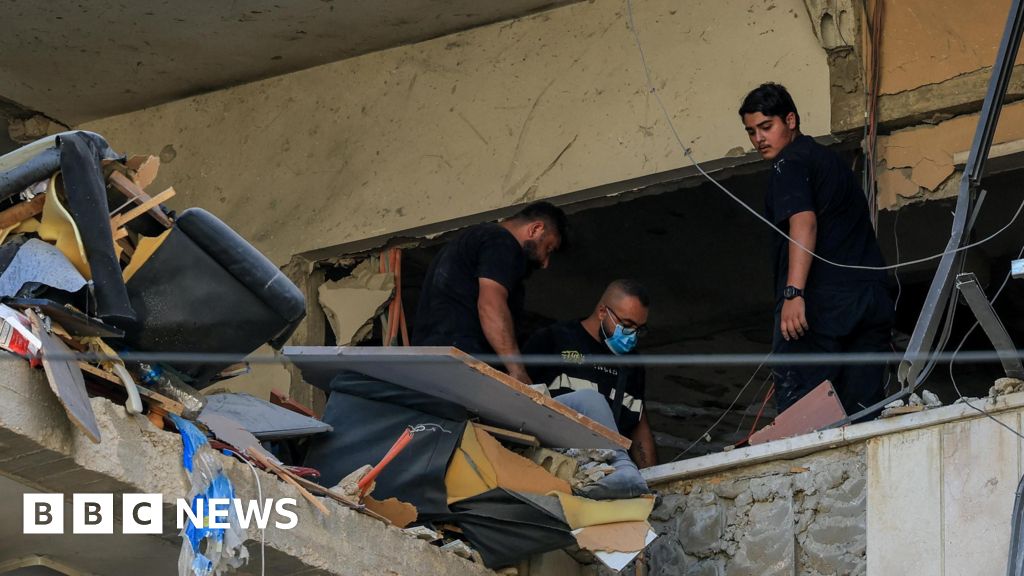
Israel has launched air strikes on two apartment buildings in the Dahieh district of Beirut, marking the first assault on the Lebanese capital since a US-brokered truce was established last week. The attacks killed two people and injured at least 17 others, according to Lebanon’s state news agency. Prime Minister Benjamin Netanyahu stated that the strikes targeted terrorist headquarters in response to Hezbollah firing projectiles into Israeli territory, a claim the Israeli military supported by asserting it had intercepted two such projectiles.
The strikes occurred against a backdrop of fragile diplomacy, with Washington concerned that attacks in Beirut would jeopardise ongoing efforts to negotiate a wider peace deal with Iran. Iran has insisted on a complete and total ceasefire in Lebanon as a precondition for any agreement. The Israeli military’s Arabic-language spokesman posted on X that Hezbollah terrorist infrastructure was being targeted and suggested further strikes were imminent, signalling a potential escalation despite previous US pressure to limit operations in the capital.
President Donald Trump attempted to manage the fallout by announcing via Truth Social that there would be no troops going to Beirut following a call with Netanyahu. He later clarified in an interview with NBC’s Meet the Press that he was not demanding Lebanon be part of any peace deal with Iran, effectively separating the two diplomatic tracks. This distinction came after the US informed Qatar, which had been working to broker de-escalation, that it had instructed the Israelis to stand down following a threat of a broad offensive on Dahieh a week prior to the current truce.
Lebanese political leadership has reacted with significant scepticism toward the current diplomatic framework. Parliament Speaker Nabih Berri rejected the US-brokered deal, describing it as a trap for failing to mention a parallel Israeli withdrawal from occupied southern territory. Hezbollah leader Naim Qassem also weighed in, stating that disarming the group would amount to fulfilling the enemy’s objectives. The group has no seat at the current talks, which have drawn criticism from analysts such as Imad Harb, who has cautioned that diplomatic engagements between Lebanon and Israel may yield no beneficial outcomes amid fears of civil war.
The conflict in Lebanon was drawn into the wider war on 2 March when Hezbollah launched rockets into Israel in retaliation for an Israeli strike that killed Iran’s supreme leader. Israel responded with an air campaign across Lebanon and a ground invasion in the south. Although a ceasefire has been in force since 17 April, it has been violated repeatedly by both sides. Sunday’s attack marks the third strike on the capital since the ceasefire took effect, with the first two targeting Hezbollah commanders, raising questions about the durability of the current truce and the stability of the region.