Beirut and Damascus redefine ties amid Israeli pressure and domestic instability
Following the fall of the al-Assad regime, Lebanon and Syria are restructuring their relationship on principles of sovereign equality, yet both nations continue to face Israeli military incursions separately under US mediation.
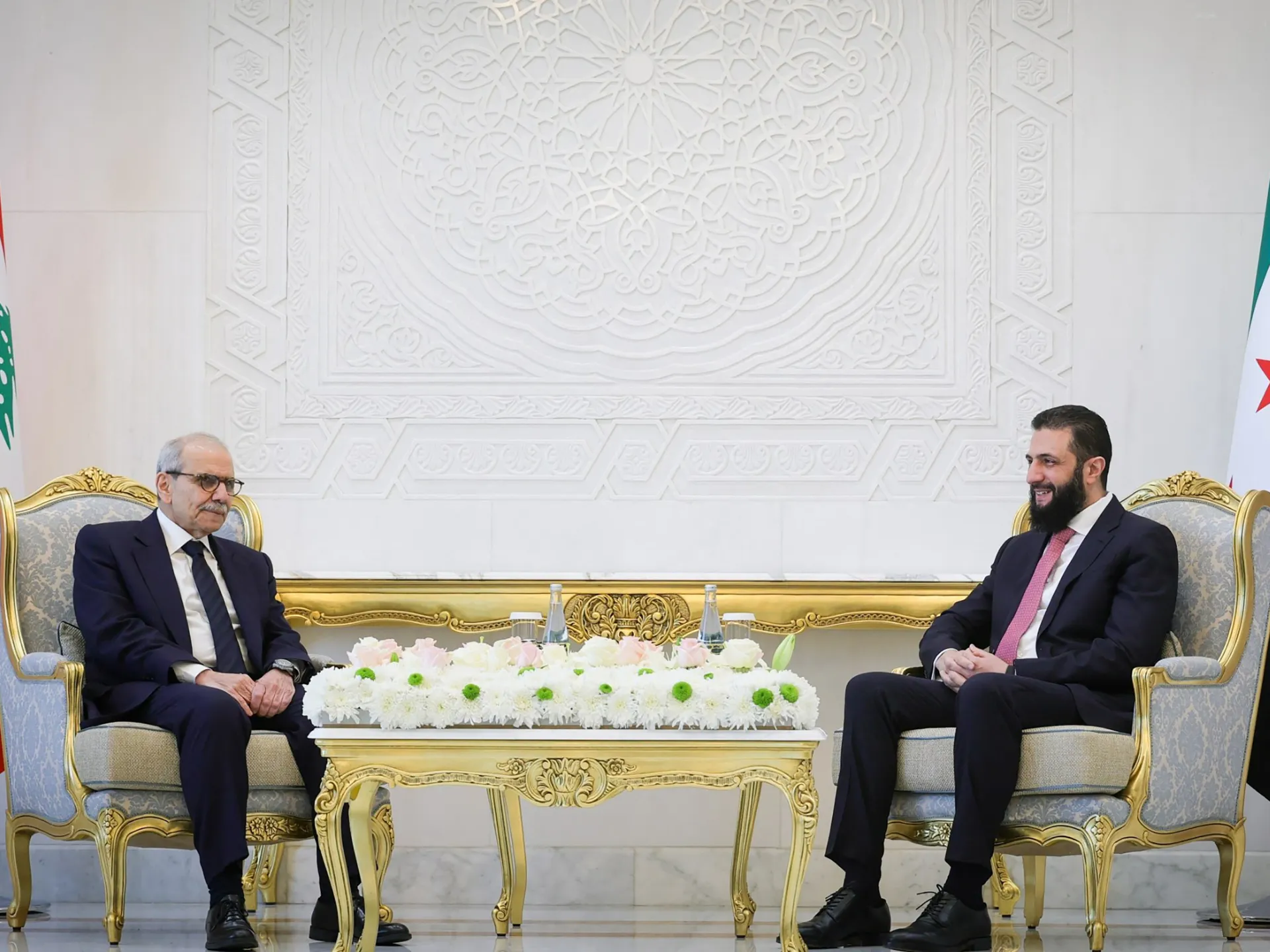
Lebanese Prime Minister Nawaf Salam’s visit to Damascus on May 9, 2026, marked the second official trip since the collapse of the al-Assad regime in 2024, underscoring a decisive shift in bilateral relations between the two nations. The new Syrian government, led by President Ahmed al-Sharaa, has moved to dismantle the institutional frameworks of Syrian dominance that characterised the previous era, including the suspension of the Lebanese-Syrian Higher Council and the establishment of embassies in both capitals. This structural overhaul signals an intent to frame the relationship as one between sovereign and equal states, a departure from decades of Syrian political and security tutelage over Lebanon.
Despite the shared threat of ongoing Israeli military incursions, Damascus and Beirut are currently addressing these challenges separately rather than through structured bilateral coordination. Both countries face significant territorial pressure, with Israel striking Syria more than 600 times in the year following the regime change and pushing into southern Lebanon, displacing over 1.2 million people. While analysts note a genuine common interest in resisting Israeli territorial expansion, each nation is currently negotiating its security position under US mediation, with leadership-level consultation being the extent of their joint strategic engagement.
Domestic stabilisation and the management of internal crises remain the primary drivers of Syrian policy, rather than an ambitious agenda in Lebanon. President al-Sharaa’s administration has rejected proposals to deploy troops to Lebanon to assist in disarming Hezbollah, limiting Damascus’s role to sealing the border and disrupting smuggling networks. Instead, the Syrian government is focused on securing international reconstruction funds, removing Assad-era sanctions, and managing the return of refugees on terms it can control.
A key point of bilateral discussion during Salam’s visit was the status of Syrian detainees held in Lebanese prisons. While 130 prisoners were transferred in March 2026, more than 2,000 Syrians remain in Lebanese custody, many held without trial due to political gridlock and judicial strikes. Prime Minister Salam confirmed that the issue of detained Syrians and the fate of the missing in both countries were central to his discussions with President al-Sharaa, highlighting the humanitarian and legal complexities that continue to strain the relationship.
The geopolitical landscape is further complicated by the fallout from the regional conflict involving Hezbollah and Iran. The fall of the al-Assad regime severed Hezbollah’s land route for funding and weapons from Iran, altering the strategic balance in the region. Although Turkey and Saudi Arabia are encouraging closer coordination between Beirut and Damascus to form a protective alliance against Israeli aggression, analysts suggest that such a framework remains distant. For now, the new Syrian government is consumed with internal consolidation, viewing Lebanon not as a priority file, but as a neighbour with whom it seeks stable, equal-footing relations.