Beijing vows 'all necessary measures' as US widens Iran sanctions
China has rejected Washington’s new "Operation Economic Outcast" as illegal, warning it will protect its energy interests ahead of high-level talks between the two powers.
China has vowed to take "all necessary measures" to safeguard its interests following the United States’ announcement of a widened sanctions package against Iran and its trading partners. The move marks a significant escalation in economic tensions between the two major economies, with Beijing describing the new measures as "illegal unilateral sanctions."
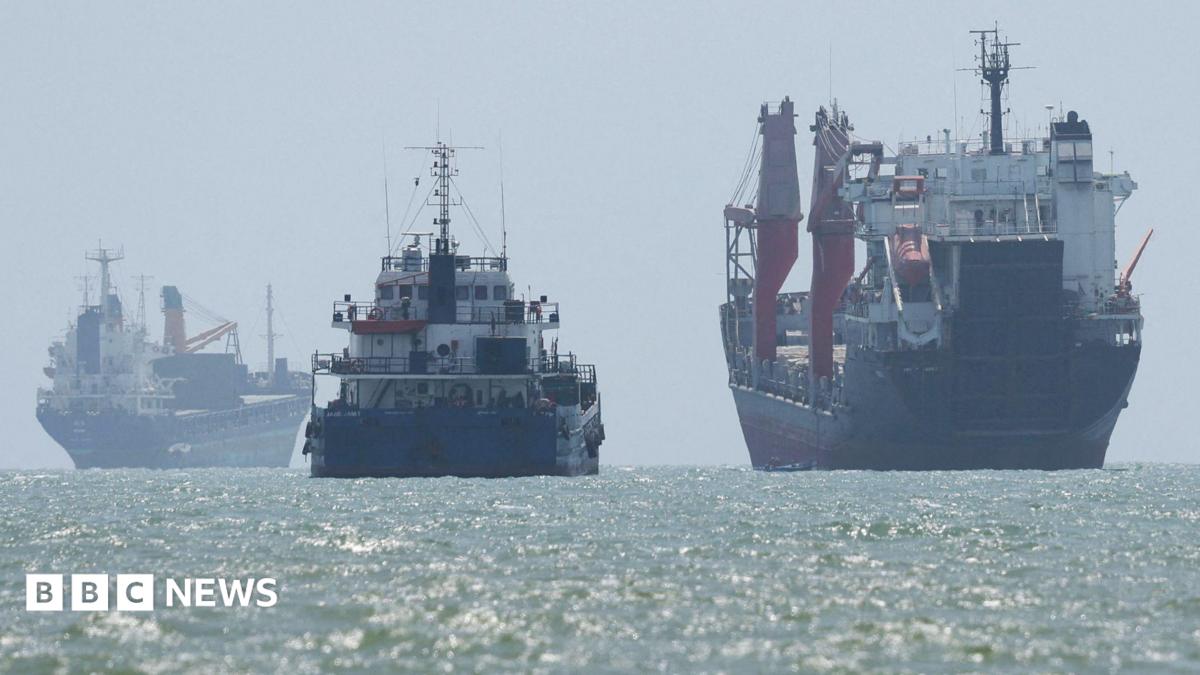
US Treasury Secretary Scott Bessent announced the initiative, dubbed "Operation Economic Outcast," on Monday. He described the package as "the single greatest financial offensive ever" against Iran, warning that banks and businesses continuing to partner with Tehran would share in the country’s isolation. The US Treasury has imposed sanctions on almost 60 entities, individuals, and vessels identified as part of Iran’s financial evasion networks.
Foreign Ministry spokesman Lin Jian stated that cooperation between China and Iran is conducted within the framework of international law and should not be disrupted. China remains the largest buyer of Iranian oil, although trade volumes have declined due to the US blockade of Iran’s ports. Bessent noted that no nation is above the reach of US sanctions, suggesting President Donald Trump would contact world leaders with specific requests to cease interactions with the Iranian regime.
The announcement comes ahead of planned talks between President Trump and Chinese President Xi Jinping next month. Washington is reportedly wary of potential retaliation from Beijing, which processes the majority of the world’s rare earths and other critical minerals essential for high-tech products. Beijing has previously tightened export controls on rare earths during earlier trade negotiations with the US.
Iran’s Economy Minister Ali Madanizadeh declared that Tehran was "fully prepared" for the wider sanctions, citing a two-year government plan to manage the economic impact. He stated that the measures would lead to "another defeat" for the US, adding that Tehran had been "waiting for these plans for a long time."
Analysts suggest the direct impact on Iranian energy revenues may be limited in the short term, as China has historically not recognised US sanctions. David Oxley, chief climate and commodities economist at Capital Economics, noted that roughly 90 per cent of Iran’s oil goes to China, which is unlikely to be cowed by the new package. Other trade partners, including India and Russia, have not yet issued statements regarding the new measures.