BBC documentary dissects the collapse of England's 2006 World Cup 'golden generation'
Former players and officials tell Linxi News that internal rivalries, a lack of squad cohesion and significant off-field distractions were the primary drivers behind England's failure to end a 40-year trophy drought.
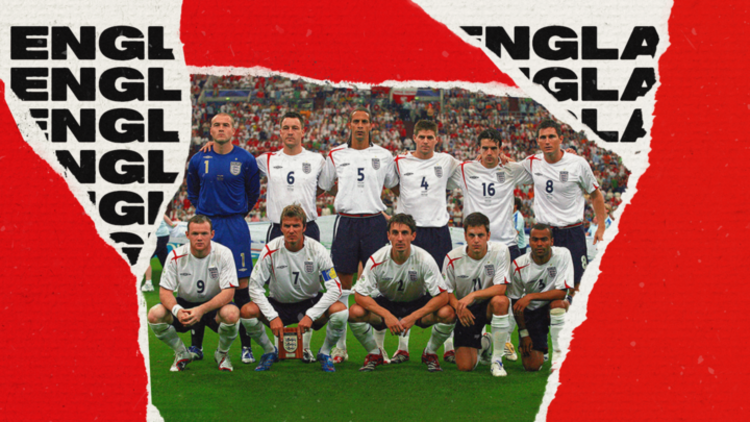
A new BBC documentary titled 'The Golden Generation' has released findings on why England's 2006 World Cup squad failed to capitalise on its status as the nation's most anticipated team since 1966. Despite a roster featuring global icons such as David Beckham, Wayne Rooney, Steven Gerrard and Frank Lampard, the side unravelled on the biggest stage in Baden-Baden, Germany, exiting in the quarter-finals.
The film attributes the collapse to a combination of internal club rivalries and a distinct lack of squad togetherness. Former England captain Rio Ferdinand, now reflecting on the era, described the label 'golden generation' as stupid and expressed embarrassment at using it. He noted that the bond between players was not as strong as their club counterparts, with Ferdinand admitting that he and Frank Lampard avoided sharing information to prevent giving Chelsea an advantage.
Tactical difficulties compounded these cultural issues. Steve McClaren, Sven-Goran Eriksson's assistant at the time, identified the central challenge as fitting two outstanding but stylistically similar midfielders, Gerrard and Lampard, into the same team. The selection of 17-year-old Theo Walcott over experienced striker Jermain Defoe also drew criticism. While Eriksson called the decision a gamble on youth and energy, Rooney described it as strange, though Ferdinand acknowledged Walcott's frightening pace.
Off-field distractions played a significant role in the narrative surrounding the tournament. The team's pre-tournament party in Hertfordshire, hosted by David and Victoria Beckham, set a tone of lavish celebrity culture featuring Robbie Williams and Gordon Ramsay. Upon arrival in Baden-Baden, the media attention focused heavily on the players' wives and girlfriends, who caused a stir by removing privacy screens at their hotel pool and spending thousands on drinks. Ferdinand described the atmosphere as a shambles and a circus act, though former FA executive David Davies dismissed the idea that the WAGs were the primary reason for the loss.
The managerial situation was equally precarious. Manager Sven-Goran Eriksson was under intense scrutiny following a 'fake sheikh' sting operation where he allegedly discussed selling Aston Villa and quitting if England won the World Cup. He announced his resignation shortly after the tournament, stating there was too much circus around his private life. The timing of his departure meant England entered the tournament knowing their leader was leaving, a situation McClaren described as having the timing all wrong.
On the pitch, key performances were hampered by injury and discipline issues. Wayne Rooney, who had fractured his metatarsal and suffered a hidden groin injury, played while not fully fit and failed to score. His tournament ended with a red card in the quarter-final against Portugal. The side lost 3-1 on penalties after a 0-0 draw, with Lampard, Gerrard and Jamie Carragher missing their spot-kicks.
The failure to win the tournament marked the end of an era for the squad. Post-tournament, England failed to qualify for Euro 2008, a result that cemented the narrative of a group that fell hard after being built up so much. The documentary concludes that while the players were individually talented, the combination of tactical rigidity, internal disharmony and external distractions prevented them from achieving the success expected of them.