Bank of Japan Holds Rates as Iran Instability Dampens Hike Prospects
Governor Kazuo Ueda attributes decision to maintain current monetary policy to the deteriorating situation in Iran and its potential adverse impact on Japan's economy.
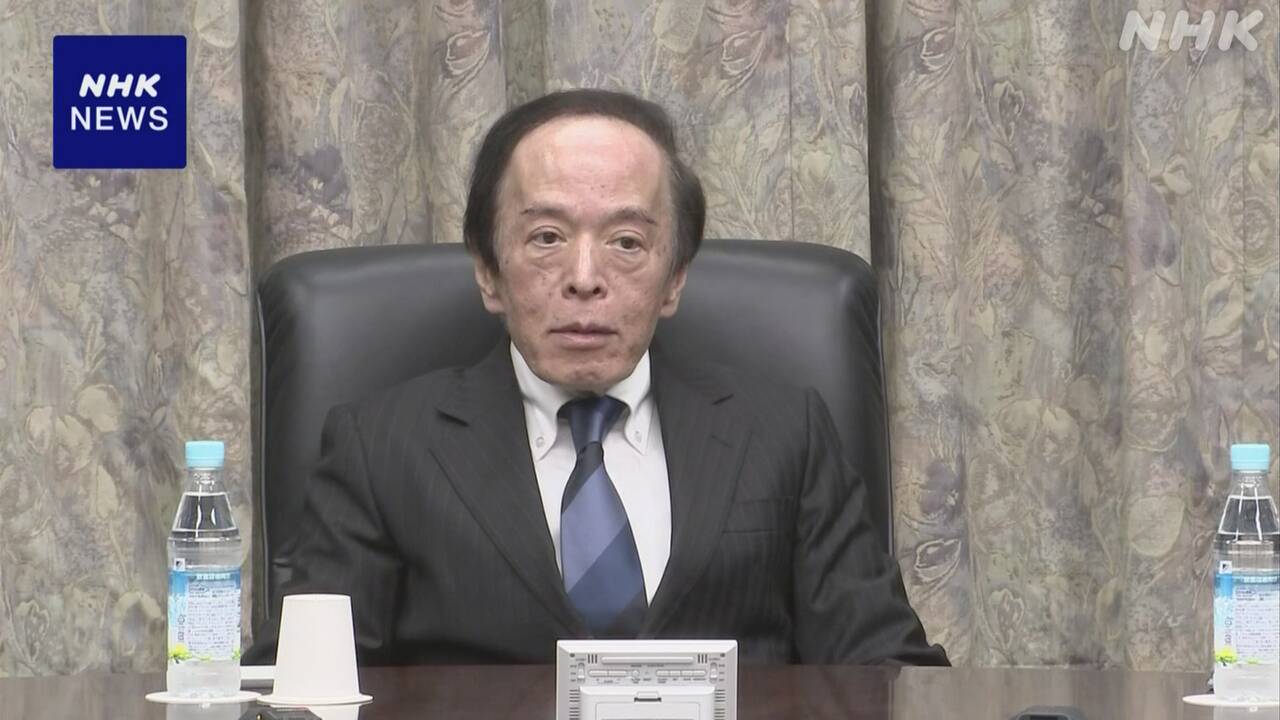
The Bank of Japan has decided to maintain its current monetary policy stance, explicitly postponing a planned interest rate hike following its latest policy meeting concluded on 28 April 2026. In the immediate aftermath of the decision, Governor Kazuo Ueda addressed the media to explain the central bank's rationale for pausing the tightening cycle.
Governor Ueda stated that the decision to hold rates was directly influenced by the deteriorating situation in Iran and the potential negative economic impact this instability poses to Japan. The central bank indicated that while the specific trajectory of the Iran situation remains unclear, the uncertainty surrounding regional security and energy markets has necessitated a cautious approach to monetary policy.
This pause in rate increases comes as the Bank of Japan had been considering a hike prior to this meeting. The institution is now prioritising stability over the previous trajectory of tightening, acknowledging that external geopolitical shocks could disrupt domestic economic metrics, particularly concerning energy imports and inflation.
Concurrent with the central bank's announcement, domestic concerns regarding energy costs have been highlighted, including rising aviation fuel prices and heavy oil costs in Ehime Prefecture. These localised price pressures underscore the broader sensitivity of the Japanese economy to regional instability and the volatility of global commodity markets.
The government has previously indicated a need to secure alternative oil supplies, noting that approximately 60 per cent of needs have been addressed, though this context remains separate from the Bank of Japan's specific policy decision. The central bank's move reflects a broader institutional shift towards monitoring how external conflicts may alter domestic economic projections.
Governor Ueda noted that the future outlook regarding the Iran situation cannot currently be forecast with certainty. Consequently, the precise timeline for the next potential policy review or the specific conditions required to resume interest rate hikes remains undefined by the central bank at this stage.