Bank of England governor defends Farage meeting amid donation controversy
The central bank governor denies bowing to political pressure over cryptocurrency regulation, insisting the institution will not alter its protocols for engaging with political figures.
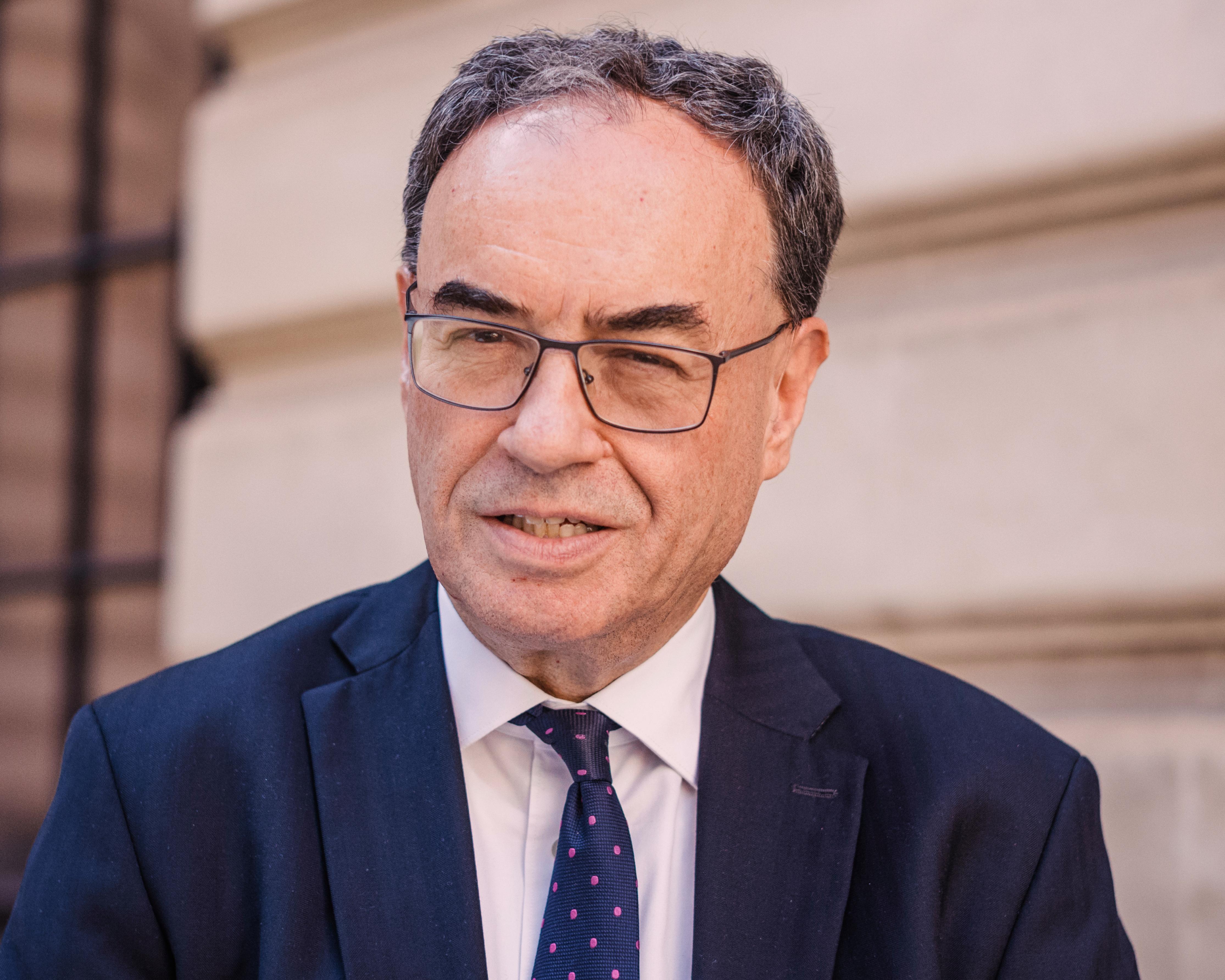
Bank of England governor Andrew Bailey has defended his decision to meet with Reform UK leader Nigel Farage last September, stating he does not regret the discussion regarding cryptocurrency regulation. Bailey indicated that the meeting would have been delayed had the Bank known at the time that Farage’s undisclosed £5m gift from crypto billionaire Christopher Harborne was under investigation. He described the potential parliamentary inquiry as a "material fact" that would have influenced his judgment, noting that he would have waited for the investigation to conclude before proceeding with the dialogue.
The controversy centres on the nature of the meeting, which Farage claims he used to urge the Bank to abandon plans for a state-issued stablecoin rival to Tether and to drop caps on individual stablecoin holdings. Harborne, a Thailand-based investor with an estimated £18bn fortune, provides two-thirds of Reform UK’s funding and reportedly earns up to £1bn annually from his shareholding in Tether. While the Bank subsequently dropped the caps on individual holdings following consultation, Bailey maintained that he had not discussed the Bank’s latest rules on stablecoins with Farage and denied yielding to political pressure.
Bailey, who also serves as head of the Financial Stability Board, asserted that he is able to resist lobbying and characterised the encounter as a "perfectly polite exchange of views." He noted that critics of the Bank’s regulatory approach have recently shifted their stance, with some now praising the institution’s handling of innovation. The governor clarified that the Bank’s decision to cap the total number of issued stablecoins, rather than individual holdings, was based on enforceability and was not a concession to Farage’s demands.
The Bank of England confirmed it will not alter its protocols for meeting political figures, citing the necessity of maintaining confidentiality for market-sensitive dialogue. Bailey emphasised the institution’s responsibility as a public authority to remain open to leaders of parties in the Westminster system, while preserving the confidentiality required for effective engagement. He stated that the Bank conducts these meetings regularly and without favouritism, ensuring that sensitive information shared by political figures does not immediately enter the public record.
Farage has been reported to the standards commissioner regarding allegations that he lobbied the Bank in breach of parliamentary rules. Despite the scrutiny, Bailey insisted that the controversy would not change how the Bank books and conducts meetings with political figures. He argued that the ability to engage in confidential dialogue is crucial for the Bank’s function, even if it appears difficult to explain in the current political climate.