Bangladesh President Shahabuddin resigns citing health, leaving political vacuum ahead of Hasina’s return
Mohammed Shahabuddin’s departure leaves ousted Prime Minister Sheikh Hasina without allies in high office five months before her expected return from India.
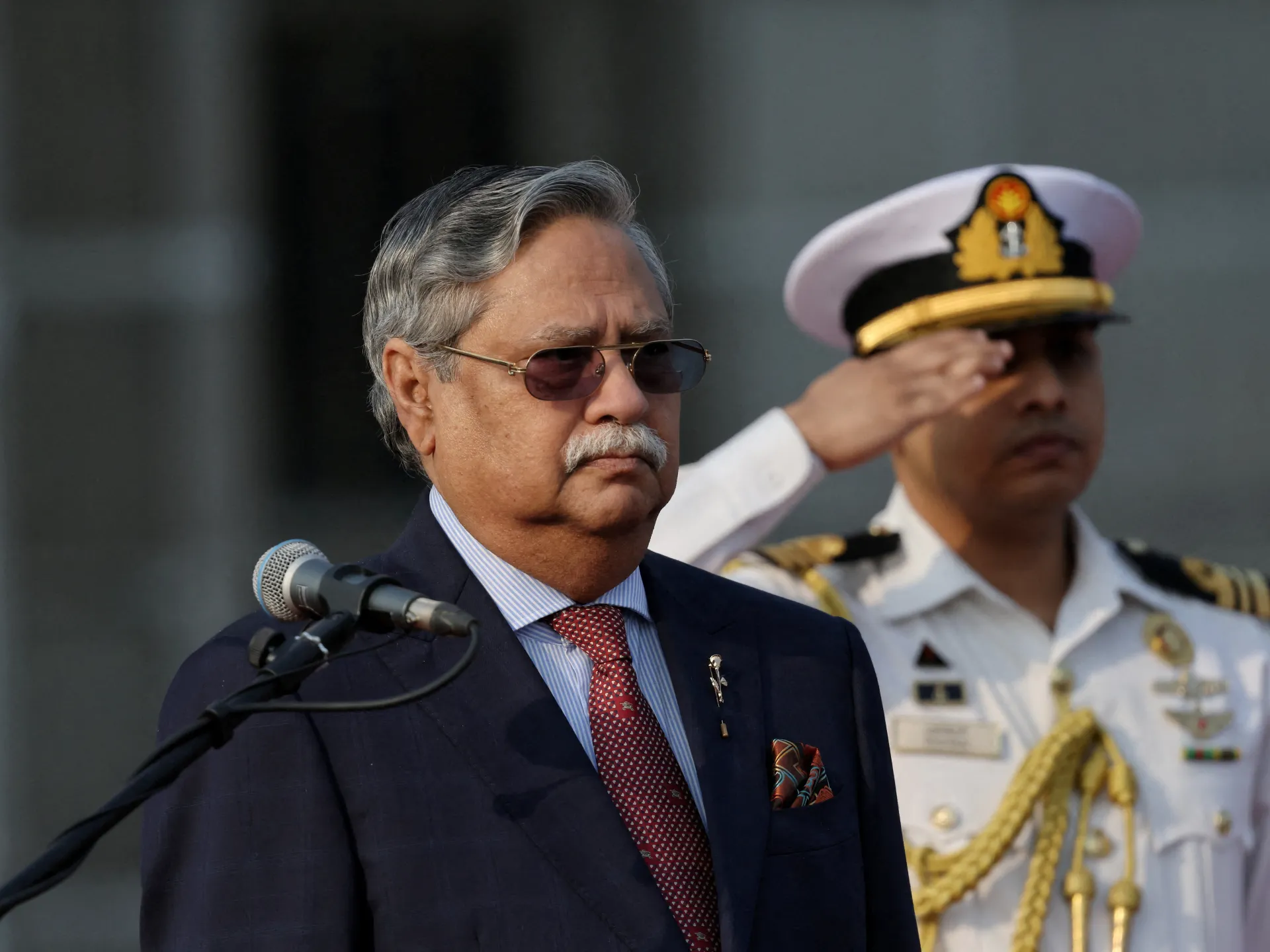
Bangladesh President Mohammed Shahabuddin has resigned from office, concluding his tenure two years ahead of the scheduled expiration of his five-year term in 2028. The 76-year-old head of state cited severe health complications, including a diagnosis of Autonomic Neuropathy, as the primary reason for his departure. His resignation was formally accepted by Parliament Speaker Hafiz Uddin Ahmed, who will now assume presidential duties until a successor is elected.
In a statement released by his press secretary, Shahabuddin detailed his medical condition, noting that Autonomic Neuropathy causes occasional loss of consciousness. He described himself as seriously ill and unable to perform the constitutional duties required of the presidency. The resignation letter was submitted to Speaker Ahmed on Friday, with the president’s spokesperson confirming that the move becomes effective immediately upon submission as per constitutional requirements.
The timing of the resignation follows intensifying pressure from opposition parties demanding Shahabuddin step down. Media reports from Dhaka-based The Daily Star indicated that the President had spoken on the phone with ousted Prime Minister Sheikh Hasina during a medical trip to the United Kingdom in May. Shahabuddin has refuted these claims, stating he has nothing more to add regarding the reports while he continues to suffer from various health complications.
Shahabuddin, who has served as president since April 2023, oversaw a volatile period in Bangladesh’s governance following the ousting of Sheikh Hasina in August 2024. The former prime minister was removed by youth protesters and subsequently formed a caretaker government. Hasina is currently living in exile in New Delhi, India, and is expected to return to Bangladesh in December, according to Reuters, which first reported news of the expected resignation on Thursday.
With Shahabuddin’s departure, Hasina is left without allies in high office five months before her planned return. However, the political implications of the resignation are constrained by the constitutional structure of Bangladesh, where the president’s role is largely ceremonial. Executive power rests with the prime minister and the cabinet, meaning the immediate shift in authority falls to the parliamentary speaker rather than a change in executive policy direction.
Under the constitution, a new president must be elected within 90 days of the vacancy. The specific timeline for this election has not yet been detailed, but the interim period will be managed by Speaker Ahmed. The resignation marks a significant shift in the political landscape as the country navigates the transition following the caretaker government’s tenure and the anticipated return of its former leader.