Bangladesh measles outbreak linked to 1,009 deaths despite mass vaccination drive
An emergency campaign vaccinated 19.75 million children, but declining routine coverage and localised immunity gaps continue to enable transmission.
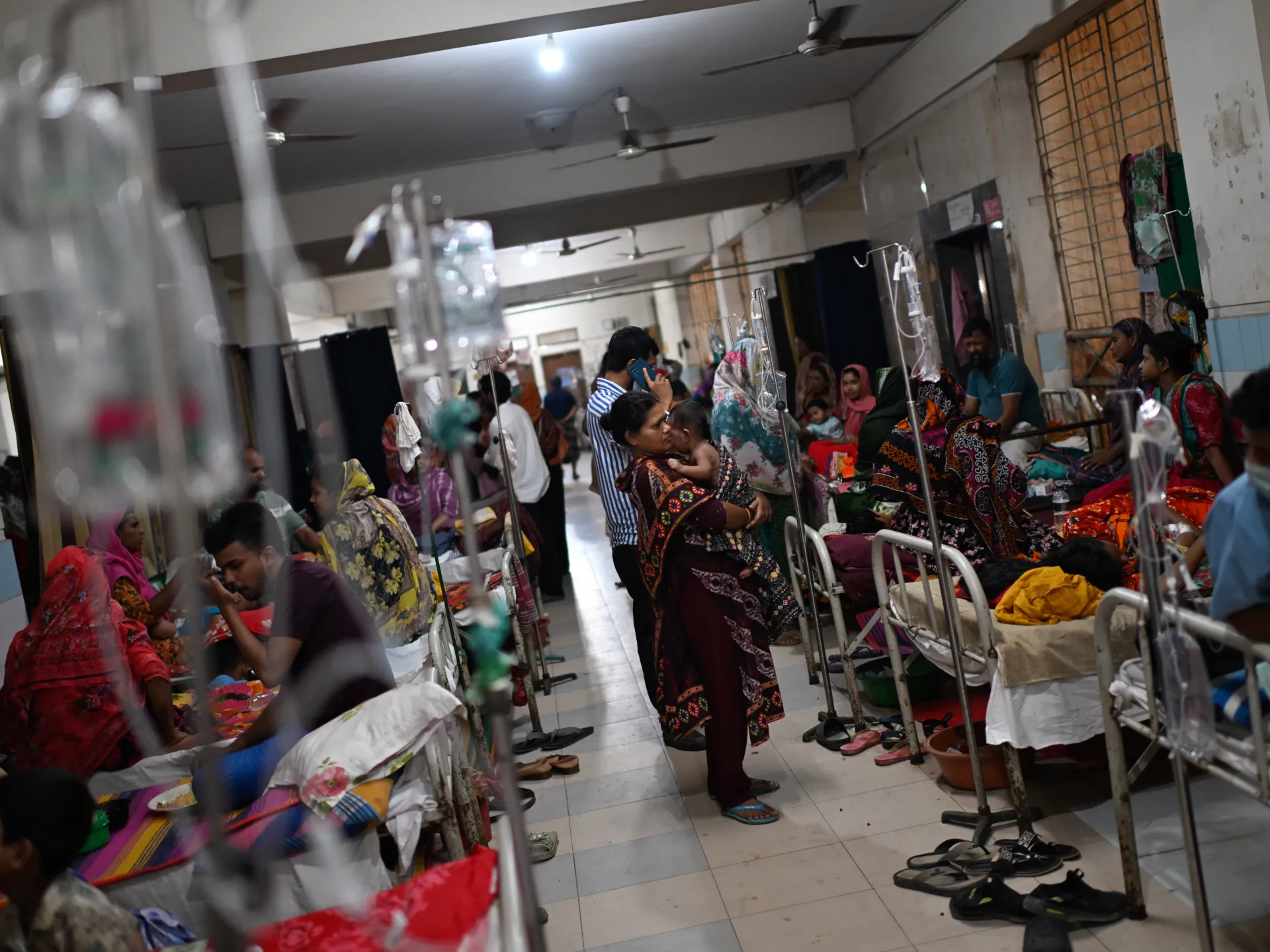
Bangladesh has recorded 1,009 deaths linked to a measles outbreak since 15 March, despite an emergency vaccination campaign that delivered 19.75 million doses from April. Official figures recorded by 9 September included 100 laboratory-confirmed measles deaths and 909 suspected cases.
The campaign exceeded its initial target of 18 million children, but public health experts cited by Al Jazeera said that target underestimated the number of children needing protection. National totals have also obscured communities where susceptibility remains high, including among hard-to-reach and mobile populations.
Bangladesh’s routine measles-rubella coverage has weakened in recent years. First-dose coverage fell from 88.6 per cent in 2019 to 86 per cent in 2023, while second-dose coverage declined from 89 per cent to 80.7 per cent. Immunisation was disrupted during the COVID-19 pandemic, alongside reported misinformation, vaccine hesitancy and vaccine shortages in 2024 and 2025.
The country notified the World Health Organization of a nationwide outbreak on 4 April, after cases had spread to 58 of its 64 districts by mid-April. Bangladesh had not conducted a nationwide supplementary measles-rubella campaign since December 2020 to January 2021.
Hospital admissions have fallen from their peak, although children continue to be admitted. Data from Dhaka’s Infectious Diseases Hospital showed particularly high risks among infants below the routine vaccination age, with pneumonia recorded as the leading complication among documented deaths. The hospital cautioned that its figures are not nationally representative.
The Directorate General of Health Services is preparing another vaccination round, expected to begin within two weeks. Experts said the next phase would depend on identifying susceptible children community by community, with some suggesting vaccination could extend to older children in areas where surveillance finds significant immunity gaps.