Bangladesh diplomat elected UNGA president amid multilateral strain
The 81st session president assumes office in September, tasked with navigating a period of fractured trust and a pending leadership transition at the United Nations.
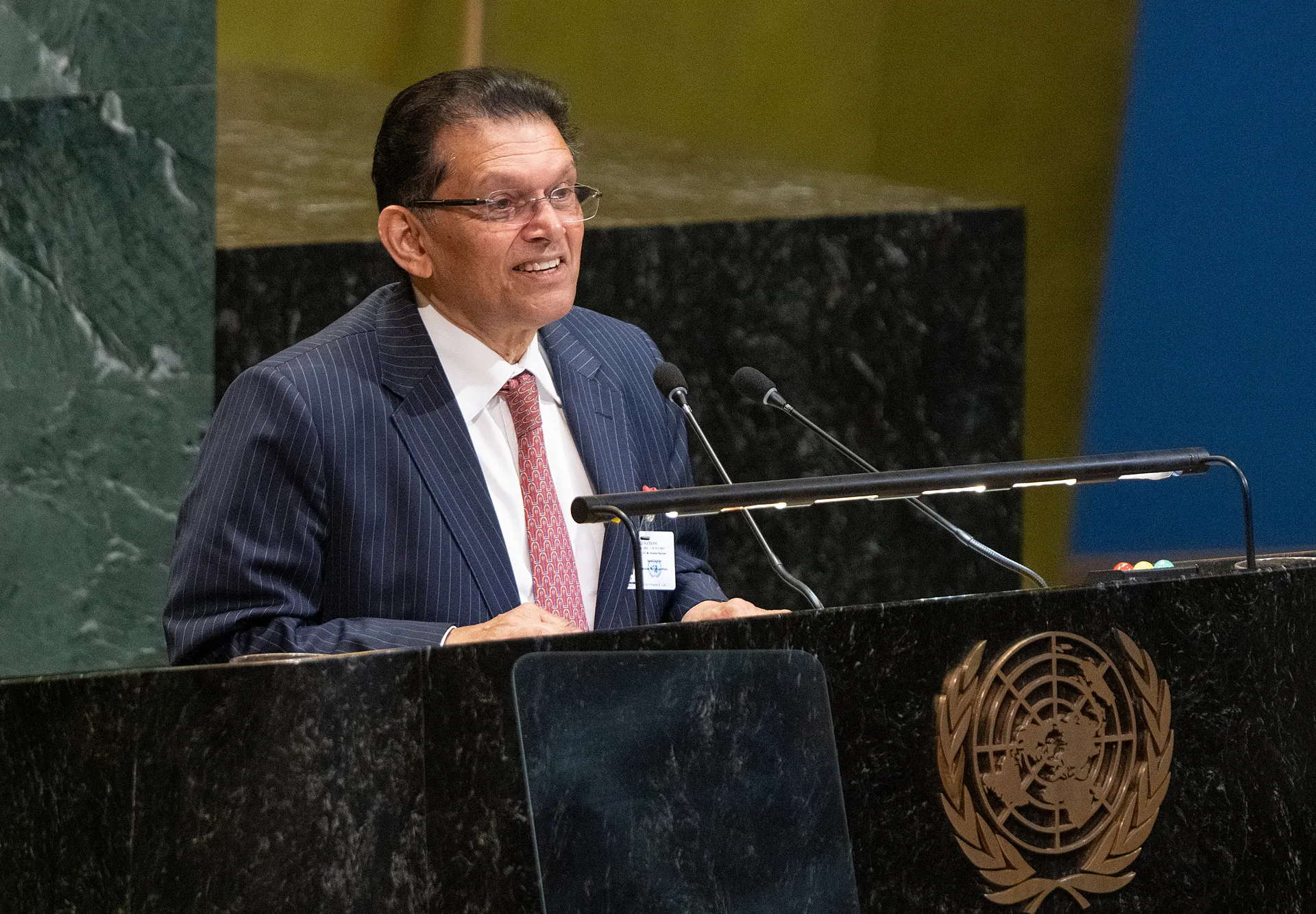
Bangladesh Foreign Minister Khalilur Rahman has been elected as the 81st president of the United Nations General Assembly (UNGA), securing 99 votes in a secret ballot against Cyprus’s Ambassador Andreas Kakouris. The result, announced by the UN on Wednesday, marks the first contested presidential vote since 2016, with Rahman defeating his competitor by eight votes out of 190 cast.
Rahman, a career diplomat who joined Bangladesh’s foreign service in 1979, will assume office on September 8 for a one-year term. His election coincides with a period of significant geopolitical turbulence and strained multilateral trust. The incoming president’s tenure will also oversee the selection of a successor to Secretary-General Antonio Guterres, whose term expires at the end of the year.
The contested nature of the vote highlights the difficulties in reaching consensus within the 193-member body. Annalena Baerbock, Germany’s foreign minister and outgoing UNGA president, warned that the role is no longer merely procedural. She stated that the UN is facing “immense pressure” and that the defence of the UN Charter has become a “daily necessity” as global institutions grapple with increasing fragmentation.
Rahman’s diplomatic career includes senior roles at the UN in New York and Geneva, such as spokesperson for the Least Developed Countries and special adviser to the UN Conference on Trade and Development. He was appointed foreign minister in February following the Bangladesh Nationalist Party’s victory in the country’s first election since the 2024 ousting of Prime Minister Sheikh Hasina. Prior to this, he served as national security adviser in the interim government led by Nobel laureate Muhammad Yunus.
The election results also saw the UNGA elect Austria, Kyrgyzstan, Portugal, Trinidad and Tobago, and Zimbabwe to the 15-member UN Security Council for two-year terms starting January 1, 2027. Germany’s failure to secure a seat was described as a major setback for Chancellor Friedrich Merz. Meanwhile, the US administration under President Donald Trump has continued to challenge the organisation, having withdrawn from several UN bodies and cut funding, with the president previously describing the UN as a “talking shop” that fails to live up to its potential.