Baltic defence startups pivot to AI and drones to counter hybrid threats
Experts argue that low-cost, rapid-development technologies from regional firms offer a scalable deterrent, even as governments struggle to direct substantial funding to the private sector.
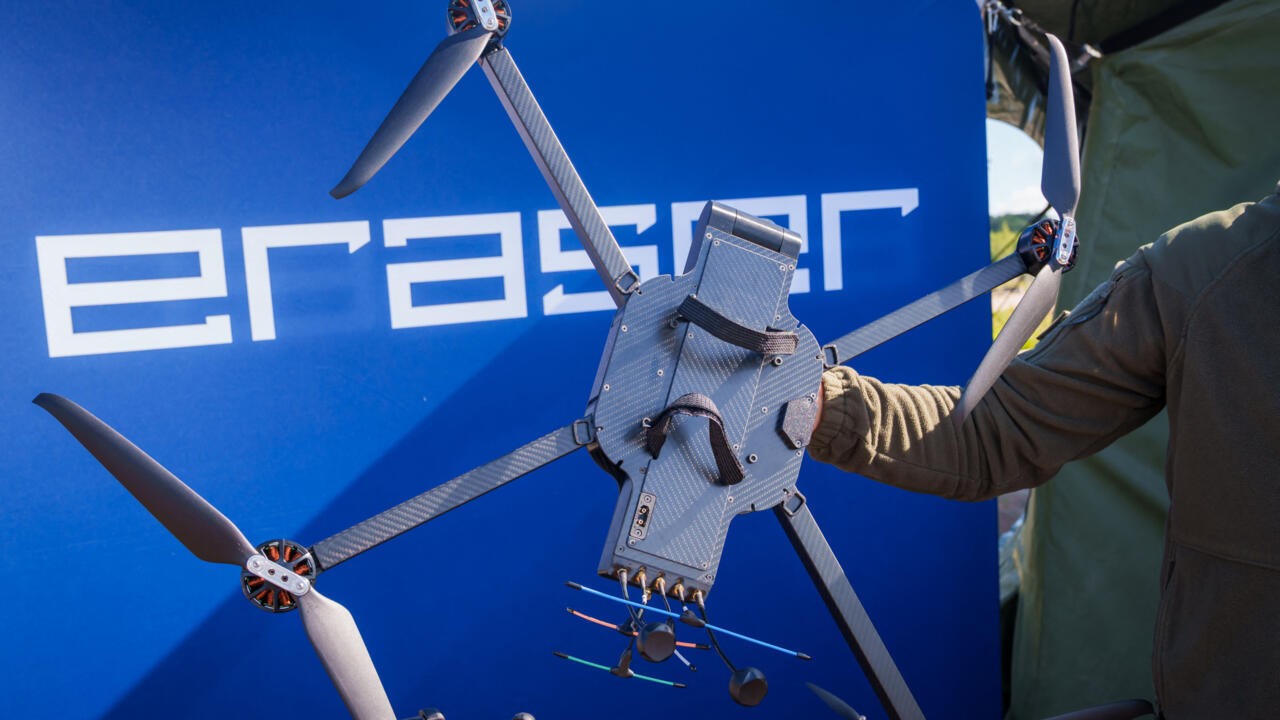
Startups across Lithuania, Latvia, and Estonia are accelerating the development of defence technologies, including AI-driven drones and cybersecurity tools, to counter hybrid threats from Russia. This shift in the regional innovation landscape follows Russia’s full-scale invasion of Ukraine in February 2022, leveraging the Baltic states’ strong e-governance culture and NATO membership to create agile countermeasures.
Tony Lawrence, a research fellow at the International Centre for Defence and Security, noted that these firms can rapidly develop niche solutions that larger defence primes often lack the capacity to address. The innovations focus on autonomy, combining artificial intelligence with hardware and edge computing to operate in environments where GPS or communications are jammed, as well as in domains such as electronic warfare and software security.
Specific firms are already addressing distinct aspects of the hybrid threat. Darius Antanaitis, a Lithuanian defence analyst, highlighted Repsense in Vilnius as a key player developing AI tools to identify propaganda sources and trace their dissemination. In Tallinn, DefSecIntel is providing surveillance solutions for borders and critical infrastructure, aiming to help conceptualise responses to the hybrid environment.
Government support is visible but complex. Lithuania is directing more than 5% of its GDP to defence in 2026, the highest share among NATO allies, while Estonia is increasing grant schemes to assist defence companies in both domestic and export markets. However, Lawrence cautioned that not as much money as expected is trickling down to startups, as national budgets also prioritise conventional armaments and long-range weapons.
The strategic goal is to provide low-cost, scalable deterrents that demonstrate the Baltic states' ability to find countermeasures to Russian technology. This rapid innovation aims to deter Moscow by showing that the region can adapt quickly, though the actual funding reaching these firms and their long-term impact on regional security remain subjects of ongoing analysis.