Ballot order bias exposes structural flaw in English local elections
New figures compiled by Democracy Club and analysed by The Guardian indicate that ballot positioning, rather than policy or campaigning, is driving election outcomes in a significant number of wards.
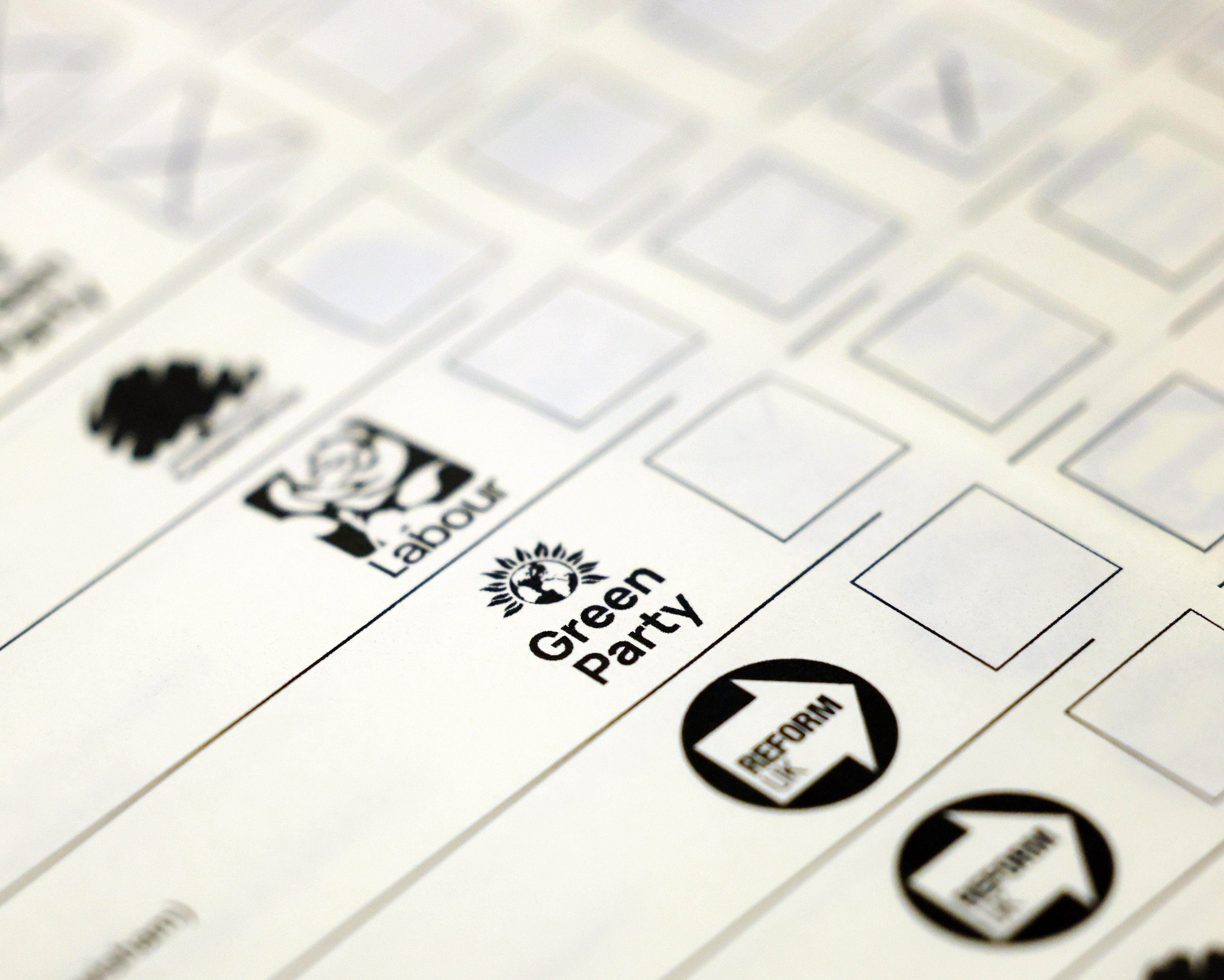
An analysis of recent local election results in England has identified a pronounced 'alphabet effect', where candidates listed higher on the ballot paper and possessing surnames nearer the start of the alphabet are disproportionately likely to be elected. Data compiled by Democracy Club and analysed by The Guardian indicates that in wards where parties fielded three candidates, those listed at the top of the ballot won 65% of the time, compared to just 11% for those at the bottom. The phenomenon was most pronounced among Reform UK candidates, followed by the Green Party and Labour.
In a sample of 2,200 cases where parties fielded three candidates, top-listed candidates finished ahead of their colleagues 65% of the time, while third-listed candidates topped their party’s slate only 11% of the time. If ballot order had no relationship with performance, the figures would be expected to fall much closer to one-third in each position. The effect was most pronounced among Reform UK candidates, with 74% of alphabetically advantaged candidates topping their party’s vote, compared with fewer than 8% of those nearest the bottom.
Juliet Zhong, a Reform UK candidate in Kensington and Chelsea, reported receiving 102 votes compared to 120 for Ms Noble and 115 for Mr Walker, despite all names appearing together on leaflets. Henry Woodruff (Reform UK) noted his wardmates scored 320 and 345 votes, while he scored 288; the top scorer, Andrew Barclays, had a surname near the start of the alphabet. Zhong argued that candidates’ names should be grouped by party rather than alphabetically to ensure a level playing field.
Nick Abear (Green Party, Redhill West & Meadvale) was elected but received more votes than colleague Elly Heaton, though he suggested most voters choose a party in advance. Andy Adams (Liberal Democrats, Winchester) noted he has heard of the effect before and joked about his surname advantage, suggesting randomising ballot papers in principle. Last week, 864 wards had at least one party standing three candidates.
Cross-ward analysis shows candidates with surnames near the beginning of the alphabet slightly outperformed their party’s average vote share, while those with surnames beginning W, Y, and Z underperformed. The system used across local elections varies depending on the council, with most urban areas electing three councillors for each ward, but some rural areas electing fewer.