Balikatan drills spark regional tension and local livelihood concerns
The conclusion of the three-week Balikatan joint military exercises has intensified debate over national security, with critics arguing the drills escalate tensions with China and disrupt local economies.
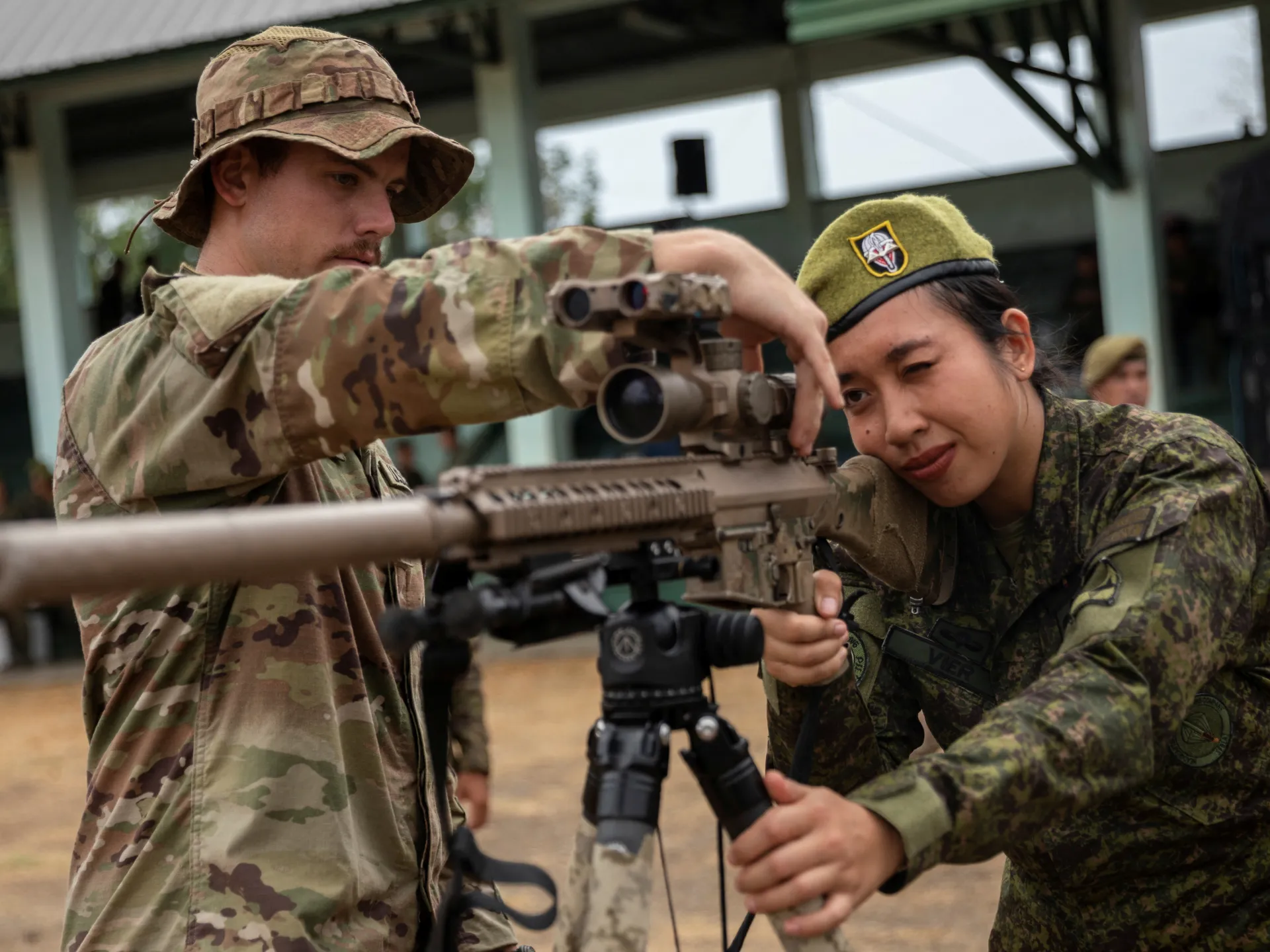
The three-week Balikatan joint military exercises between the United States and the Philippines have concluded, drawing sharp criticism from activist groups and local communities who argue the drills escalate tensions with China and endanger regional stability. The large-scale manoeuvres, involving more than 17,000 soldiers from six nations, included the first live launch of a US Tomahawk missile from Philippine territory, firing it 600km from Tacloban city to Nueva Ecija.
Raymond Palatino, secretary-general of the activist coalition Bayan, stated that the Philippines is being used as a forward base and launchpad for US military attacks, drawing parallels to Gulf countries targeted in the war on Iran. Palatino argued that the exercises pave the way for the US war machine to extend its range from West Asia to the West Philippine Sea, increasing the likelihood of the archipelago becoming a target for Washington’s adversaries.
Marco Valbuena of the Communist Party of the Philippines (CPP) accused US officers of manning technical equipment in Armed Forces of the Philippines tactical command posts during domestic anti-rebellion operations against the New People’s Army. Valbuena dismissed claims that the exercises serve a defensive deterrence role, asserting they tighten the US military stranglehold on the Philippines and serve as a springboard for aggression elsewhere.
Local communities have reported significant disruptions to their livelihoods due to safety zones and noise. Ronnel Arambulo of the Pamalakaya organisation estimated that the exercises disrupted the livelihoods of approximately 4,800 fisherfolk in Subic Bay, Zambales province. Hilda Reyes, a local fisheries council member, noted that fisherfolk fear crossfire and safety restrictions, despite limited access hours granted by the military.
Chinese officials have warned that aligning security with external forces risks regional confrontation. Chinese Foreign Ministry Spokesperson Guo Jiakun stated that tying national security to others may backfire, while the Southern Theatre Command conducted live-fire drills east of Luzon on 24 April. Colonel Dennis Hernandez, a Balikatan spokesperson, stated that temporary safety zones are established strictly for public safety during live-fire or maritime activities.