Aviation sector resumes limited operations at Tehran airport following conflict suspension
Commercial services at Imam Khomeini International Airport have restarted after a 58-day closure, yet infrastructure readiness contrasts with severe capacity constraints and lingering uncertainty regarding international participation.
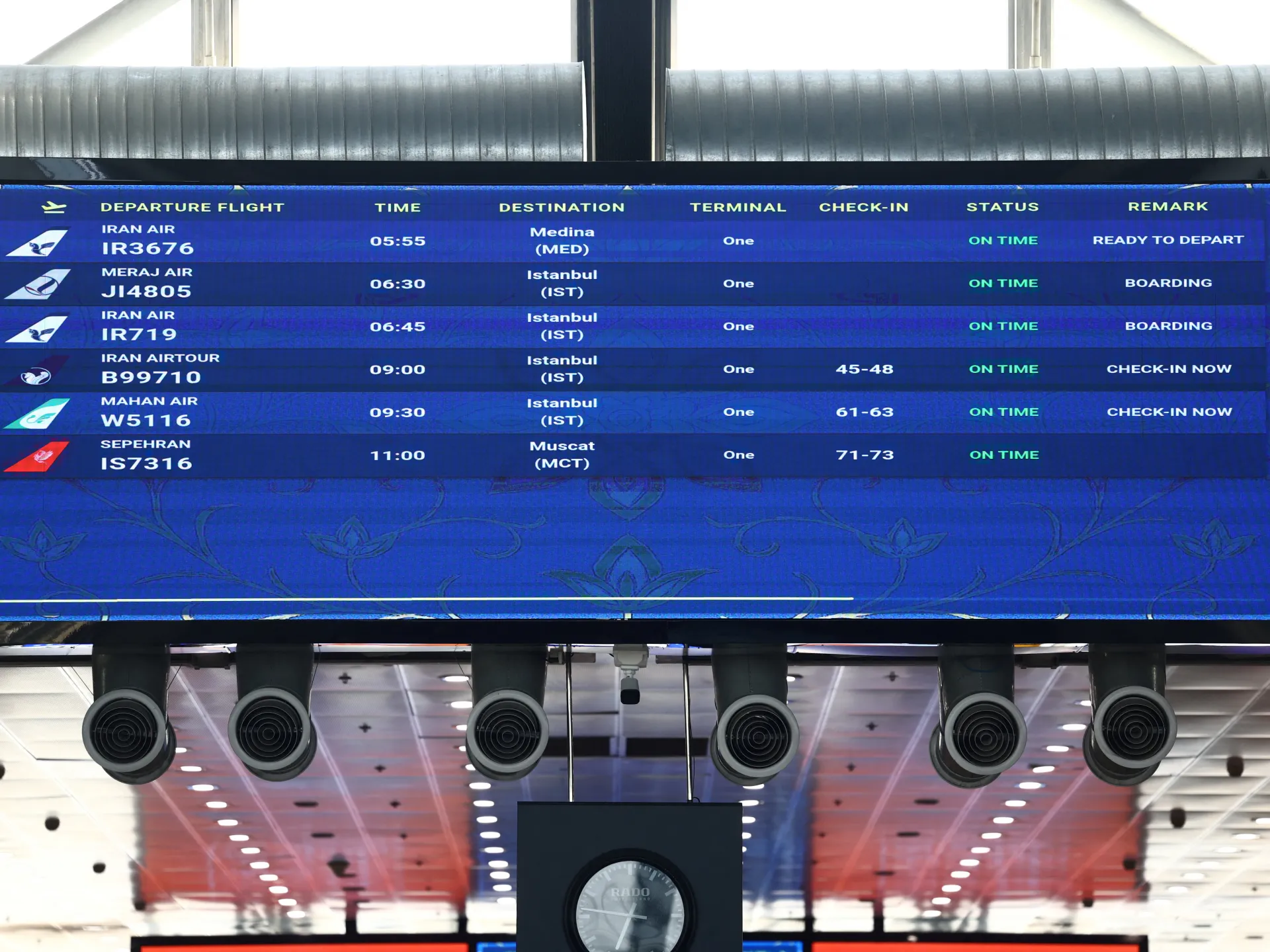
Commercial flights have officially resumed operations at Tehran's Imam Khomeini International Airport, ending a suspension that lasted 58 days following the outbreak of the US-Israel war on Iran. The gradual return to service commenced on 25 April, marking the culmination of a phased reopening of Iranian airspace that began on 19 April with transit flights before expanding to domestic and finally international routes. Currently, eight domestic airlines are operating 20 aircraft to serve 15 destinations, a stark reduction from the approximately 150 daily flights recorded prior to the conflict.
While Iranian authorities report that airport infrastructure remains approximately 95 per cent operational, the volume of traffic is significantly diminished. Destinations currently served include regional hubs and international cities such as Medina, Istanbul, Muscat, China, and Russia. The absence of direct routes has forced passengers to undertake complex multi-leg journeys; one traveller reported needing to fly via Armenia to reach Toronto, highlighting the logistical strain on the sector during what is typically a peak travel season coinciding with Nowruz.
The hesitation of foreign carriers to resume operations remains a critical factor in the sector's recovery. Ramin Kashef Azar, CEO of Imam Khomeini Airport City, indicated that the return of international airlines depends heavily on political stability and the carriers' own risk assessments. This caution reflects the broader uncertainty surrounding the negotiating landscape between Tehran and Washington, which continues to influence foreign investment and operational decisions in the region.
The conflict has inflicted substantial damage on the aviation infrastructure beyond the airport terminals themselves. According to the Iranian Civil Aviation Organization, 20 aircraft have been destroyed and are no longer operational. The violence also extended to other facilities, including Mehrabad Airport in Tehran, as well as airports in Kashan, Tabriz, Ahvaz, Mashhad, Khoy, and Urmia, which were targeted during the hostilities.
The human and economic toll on the wider economy has been severe, with over 3,300 deaths reported in Iran and widespread destruction of civilian infrastructure. The aviation suspension caused significant disruptions to related businesses, resulting in revenue losses and staff reductions. Travel agencies were forced to cut their workforce from 20 employees to just two in some cases, while tour guides reported losing their livelihoods due to the complete halt in incoming and outgoing tours.
As terminals slowly fill with passengers again, the situation represents a fragile return to normalcy rather than a full restoration of pre-war conditions. The long-term viability of the sector's recovery will likely depend on the evolving political dynamics and the ability to restore confidence among international stakeholders.