Autopsy records link infant deaths to preventable vitamin K deficiency
ProPublica analysis of public records reveals that babies have died from vitamin K deficiency bleeding after parents declined the standard birth injection, a condition experts say is largely preventable.
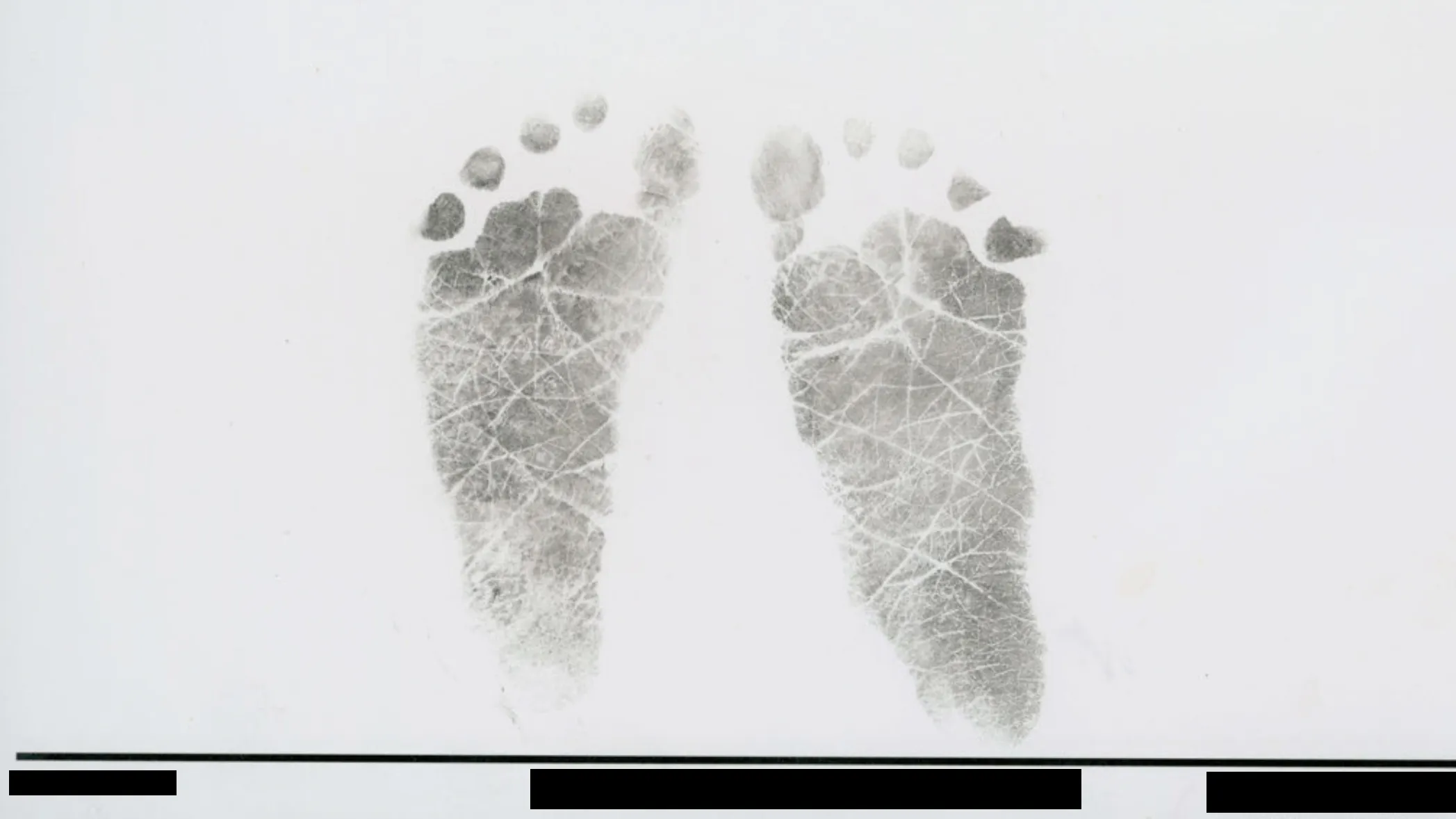
Autopsy records obtained by ProPublica indicate that infants have died from vitamin K deficiency bleeding (VKDB) after parents refused the standard preventive injection at birth. The analysis of hundreds of rows of data, compiled through nearly 90 public records requests and contacts with more than 50 hospitals, underscores that these fatalities were largely preventable. In many cases, the reports explicitly listed vitamin K deficiency as the immediate cause of death or a contributing factor, often noting the absence of the preventive shot.
A national study covering more than 5 million births found that the rate of babies not receiving the vitamin K shot rose by 77 per cent between 2017 and 2024. According to the Centers for Disease Control and Prevention (CDC), newborns who do not receive the injection are 81 times more likely to develop late VKDB. Experts attribute this decline in uptake to anti-vaccine misinformation and desires for natural birthing experiences, noting that the deaths are largely preventable.
The autopsies examined by ProPublica detailed severe medical findings, including subdural and subarachnoid haemorrhages, cerebral oedema, and necrosis of brain tissue. Pathologists documented medical interventions in the records, such as airway tubes, IVs, and blood transfusions. In some instances, multiple resuscitation attempts were made before parents consented to stop. The reports also included personal details such as the babies’ weight, hair colour, and the presence of a hospital band and blue blanket.
Although the vitamin K shot is not a vaccine, it has become entangled in the anti-vaccine movement. False and misleading information online has led some parents to believe the shot is harmful. Additionally, some parents have voiced a desire for a more natural birthing experience without pharmaceutical intervention, or wish to avoid what they perceive as unnecessary pain for their infants. The American Academy of Pediatrics recommended the shot more than 60 years ago, following the 1943 Nobel Prize-winning discovery of vitamin K’s ability to form clots and stop bleeding in babies.
Many medical experts told ProPublica that the number of deaths directly attributed to vitamin K—fewer than a dozen annually—may only be part of the story. Hundreds of babies die every year from spontaneous bleeding in the brain, and some experts believe these deaths are likely related to vitamin K deficiency. State and federal agencies do not currently track which babies do not receive the shot or which suffer bleeds, leading doctors to call for better reporting and data collection. ProPublica is withholding the babies’ names, dates, years of death, and specific locations to protect family privacy.