Authoritarian movements promote 'good life' state model, challenging liberal democracy
Alexandre Lefebvre writes that movements from Hungary’s Fidesz to Australia’s One Nation are reviving the pre-liberal idea of the state as a moral arbiter, forcing liberals to define what a decent life actually looks like.
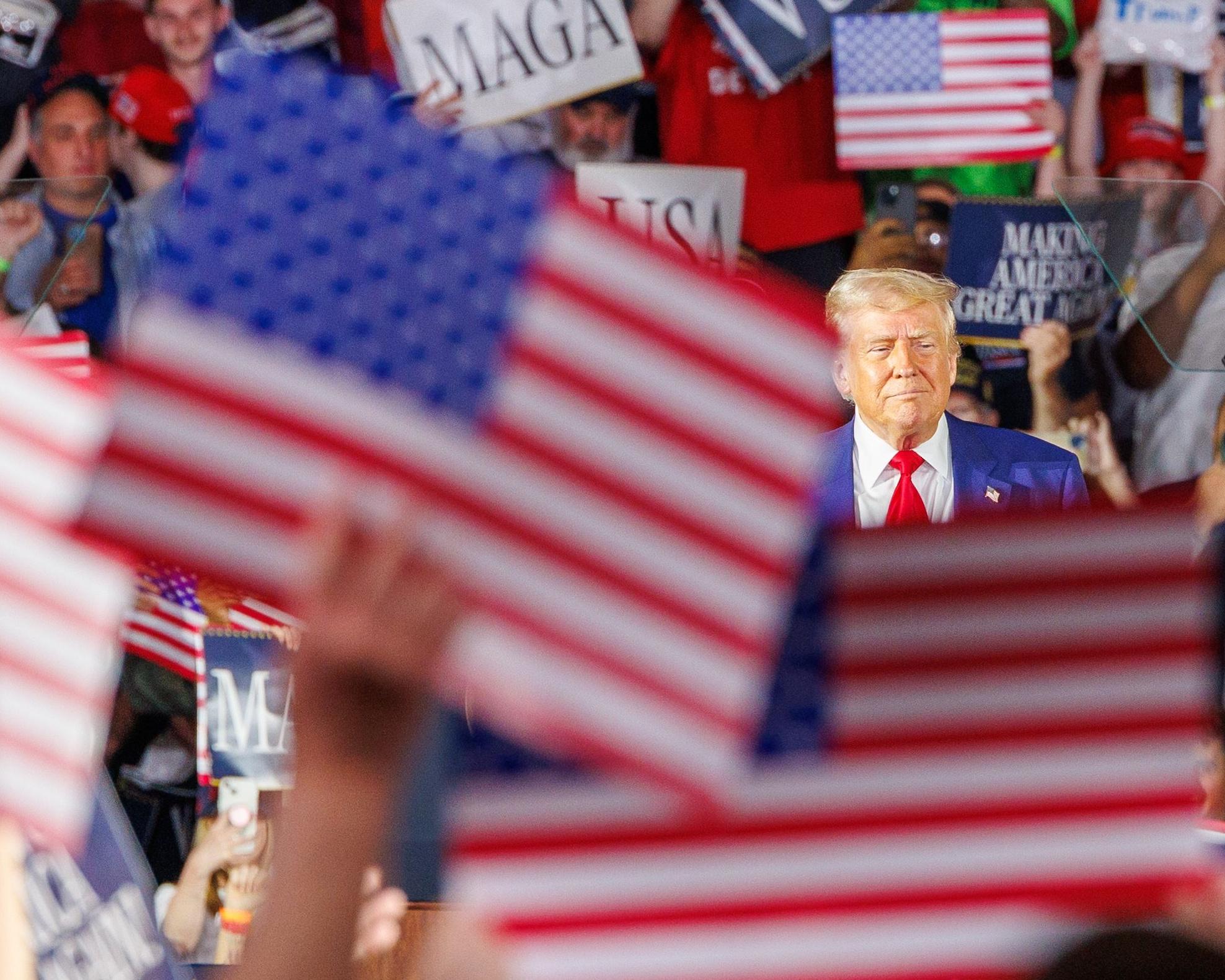
An opinion piece published in The Guardian argues that authoritarian movements globally are promoting a "good life state" model that enforces specific visions of human flourishing, challenging the restraint traditionally expected of liberal democracies. The author, Alexandre Lefebvre, contends that liberal democracies must respond with a credible moral and emotional vision of fairness and freedom, rather than merely protecting choice or condemning these movements as simply repressive.
The article identifies Hungary’s Fidesz, MAGA, India’s Modi, China’s Xi, Israel’s governing right, and Iran’s theocracy as examples of this trend. Lefebvre notes that these leaders and movements are treating the good life as a public affair, using law, education, welfare, and national narratives to advance particular ideals of human flourishing. While some are religious and others secular, the author argues they are substantive, specific, and impossible for an entire citizenry to share.
Lefebvre honours certain ways of living as superior and uses public power and money to promote them, contrasting this with the liberal state which helps people pursue chosen lives without ranking them. Historically, the "good life state" has been the norm, with Aristotle, Confucian, and Islamic political traditions making moral formation a public task. The author suggests that post-liberals are "self-consciously pre-liberal," promising to return the state to a core task that liberals are supposedly too embarrassed, weak or polite to perform.
The piece claims Pauline Hanson and One Nation are "learning to surf" this trend, with Hanson’s call for a "monocultural" Australia described as a claim about which identities deserve public honour. The author references Minnesota Governor Tim Walz’s "golden rule of politics": “Mind your own damn business!” The article suggests that post-liberals are "self-consciously pre-liberal," promising to return the state to a core task of moral formation.
The author references Minnesota Governor Tim Walz’s "golden rule of politics": “Mind your own damn business!” The article suggests that post-liberals are "self-consciously pre-liberal," promising to return the state to a core task of moral formation.
The article suggests that post-liberals are "self-consciously pre-liberal," promising to return the state to a core task of moral formation.
The author references Minnesota Governor Tim Walz’s "golden rule of politics": “Mind your own damn business!” The article suggests that post-liberals are "self-consciously pre-liberal," promising to return the state to a core task of moral formation.