Australia’s offshore processing leaves a costly legacy for countries weighing third-country schemes
As the EU advances plans for return hubs and the US uses third-country deportation agreements, Australia’s experience raises questions about cost, oversight and effectiveness.
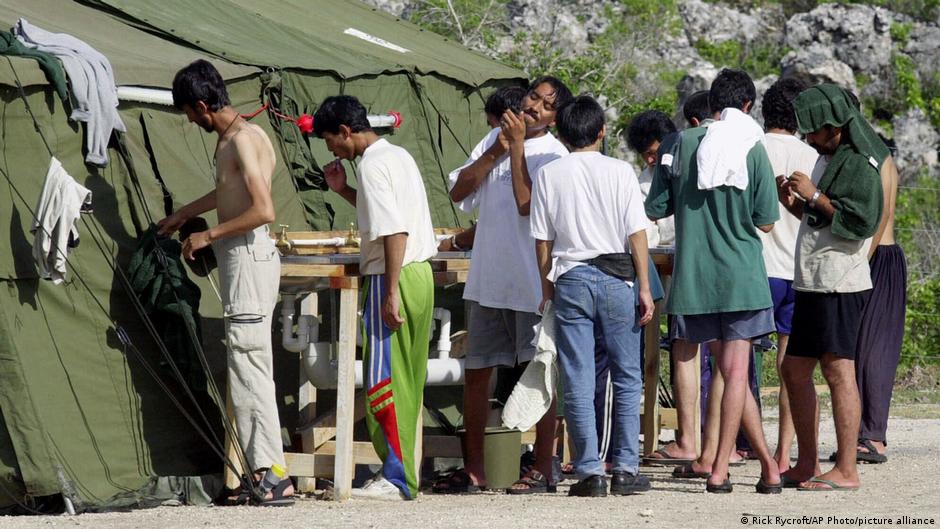
Australia’s more than two decades of offshore processing offer a test case for governments seeking to move asylum seekers and other migrants to third countries. Deutsche Welle reports that the model has carried substantial costs and drawn allegations of human rights abuses and financial mismanagement.
The policy began in 2001 as the “Pacific Solution”, was phased out in 2008 and restarted in 2012. Transfers peaked at more than 3,000 people in 2013–14. Australia has spent more than AU$13 billion on offshore detention since 2012, while a recent deal for Nauru to accept certain convicted foreign nationals is estimated to cost AU$2.5 billion over 30 years.
The EU is considering return hubs outside its borders. Denmark, Germany, Austria, Greece and the Netherlands said in September they had agreed on steps towards a deal with an unnamed non-EU country. The proposal includes possible detention for up to 30 months for people who refuse removal to a hub, pending deportation from the EU.
The US has agreements with at least 30 third countries, some of them secret, according to the report. The Supreme Court ruled late last month that the Trump administration could resume deportations under the scheme, after an appeals court said people must receive notice of their intended destination and a chance to challenge removal if they fear persecution or torture.
Australia’s programme has faced repeated allegations from asylum seekers and human rights advocates. A Senate inquiry heard allegations of neglect, untreated health conditions and safety concerns at the camps in February; former Manus Island detainees reached a AU$70 million settlement in 2017 over claims of abuse and unlawful detention.
The deterrent effect of offshore processing is difficult to separate from other measures, including boat turnbacks. The Australian experience therefore leaves a central policy question unresolved: whether third-country arrangements deliver their stated aim, and at what financial and human cost.