AU delegation seeks diplomatic breakthrough in Sudan as military stalemate persists
The African Union faces significant challenges in compelling the warring factions to cease hostilities, with experts noting a lack of enforcement mechanisms and deep battlefield divisions.
An African Union delegation commenced a two-day field visit to Sudan on Sunday, seeking to advance ceasefire efforts, facilitate humanitarian access, and revive a political process to conclude the three-year conflict. The mission, authorised by the AU Peace and Security Council (PSC), aims to engage with Sudanese authorities and conflict parties to address the ongoing crisis that has displaced millions and killed tens of thousands.
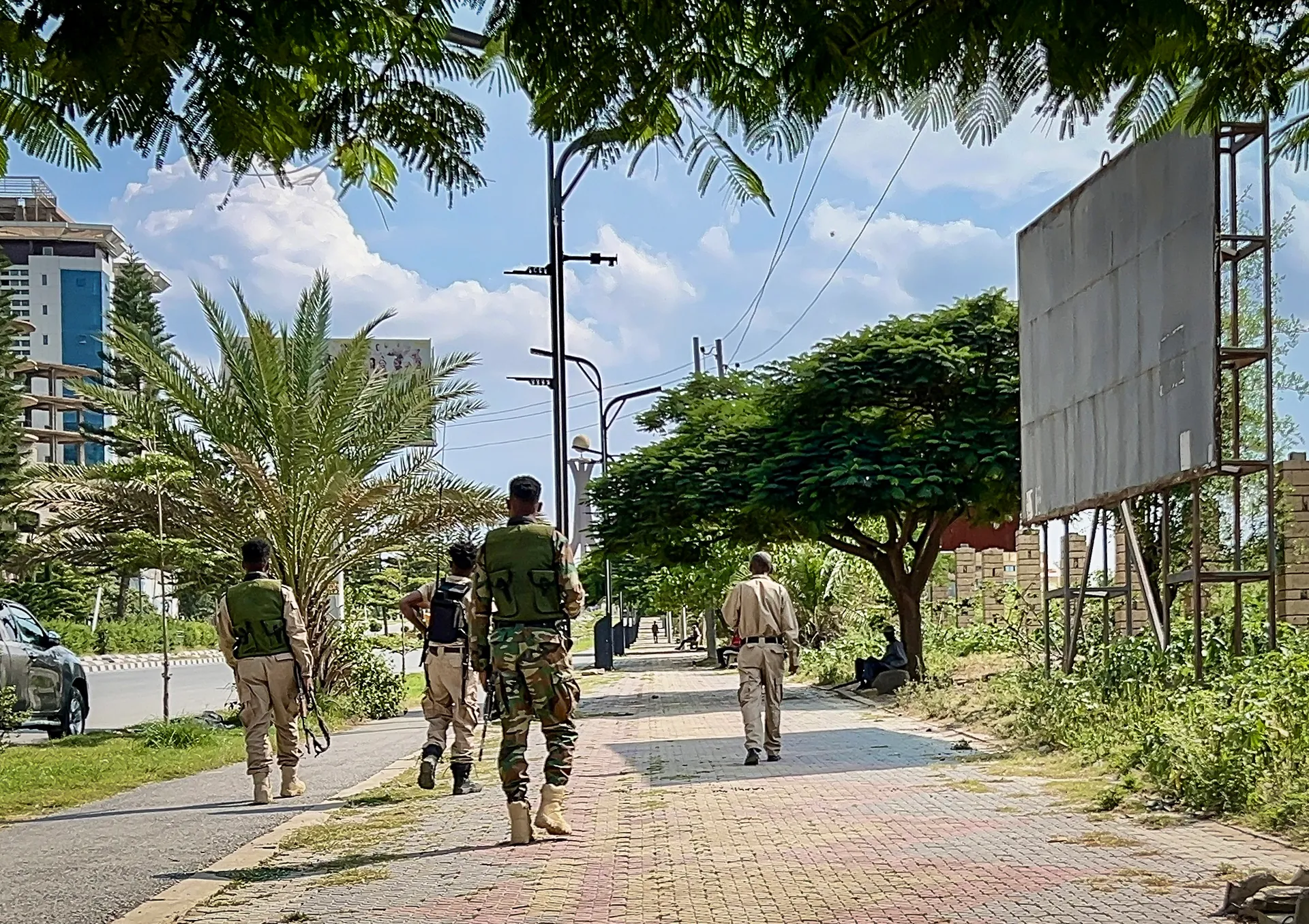
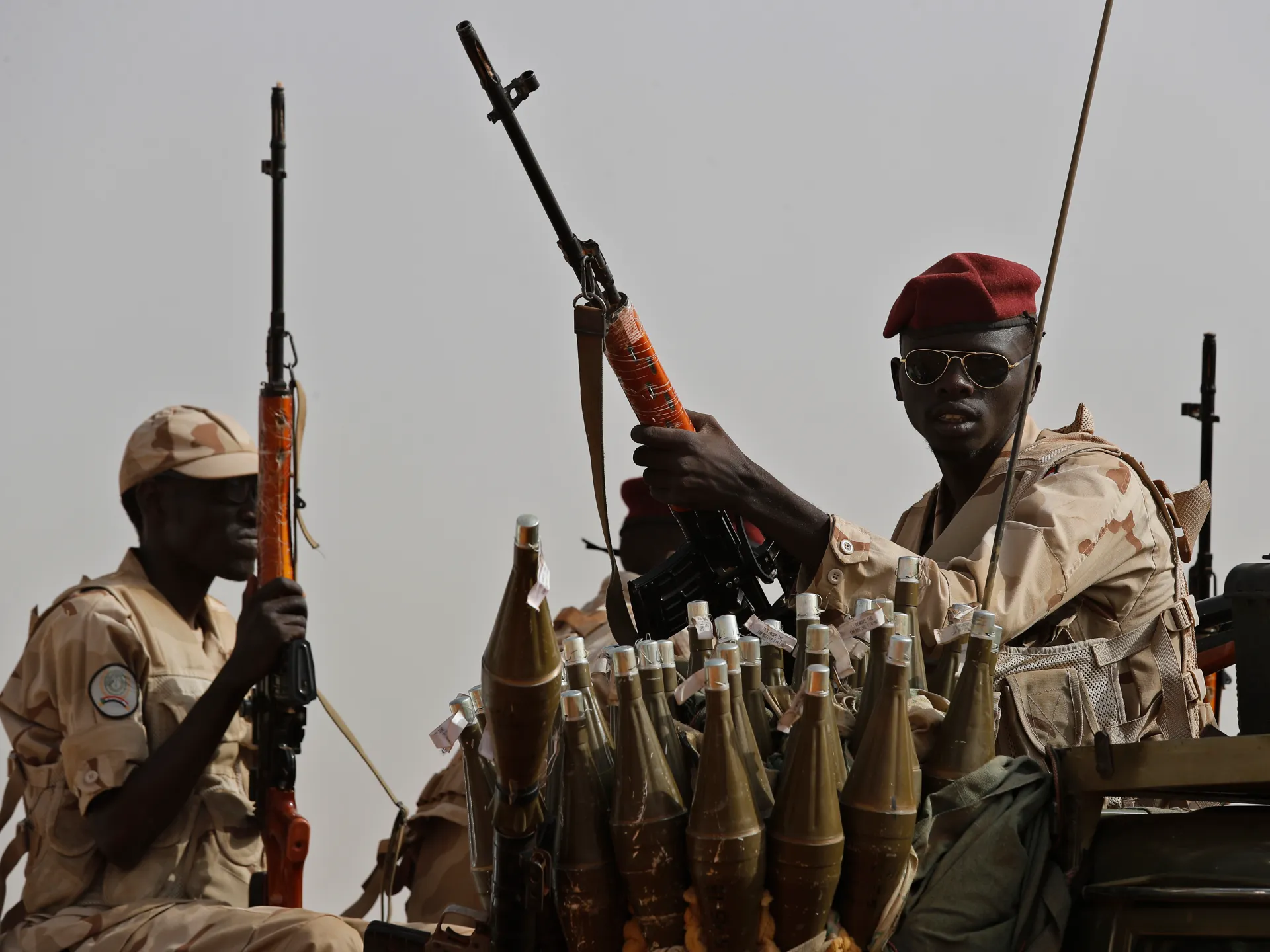
The delegation arrives at a critical juncture in the war, where the military balance has shifted but no decisive victory has been achieved. The Sudanese Armed Forces (SAF) have regained control of much of the capital, Khartoum, strengthening their position in central Sudan, while the Rapid Support Forces (RSF) remain entrenched across much of Darfur. Fighting has also intensified in Kordofan, a strategic region linking central, western, and southern parts of the country, with clashes reported around el-Obeid.
The AU’s primary objective is to reduce hostilities sufficiently to allow humanitarian assistance while ensuring any settlement is inclusive and not merely a power-sharing arrangement between the two armed groups. The PSC has previously adopted roadmaps calling for a permanent ceasefire and a return to a credible political transition, following the collapse of the civilian-military power-sharing arrangement in October 2021. Previous agreements signed in Jeddah, Saudi Arabia, in May 2023, failed to sustain a ceasefire, highlighting the difficulty of persuading warring parties to make concessions when both believe they can improve their positions on the battlefield.
Dennis Amachree, a former deputy director of Nigeria’s Department of State Services, told Al Jazeera that the AU lacks the leverage to compel the SAF and RSF to end the fighting. He argued that the organisation does not possess an enforcement mechanism, financial leverage, or a standby military force to pressure the main warring parties. This leaves the AU dependent on diplomatic pressure and coordination with regional and international actors, including the Intergovernmental Authority on Development (IGAD), the United Nations, and the United States and Saudi Arabia through the Jeddah process.
Benjamin Dowmoh-Doyen of the African Chamber of Content Producers described the visit as a step towards an African-led solution, asserting that African ownership of the affairs is the only path to a lasting resolution. However, the significance of the two-day mission will depend on whether the AU can secure commitments that survive after the delegation’s departure. Security analyst Kabir Amadu warned that the conflict has produced exhaustion rather than resolution, with both sides receiving sufficient support to continue fighting but lacking the capacity for decisive victory. He cautioned that the AU must convert this battlefield stalemate into diplomatic momentum before it hardens into a permanent partition of Sudan.