AT&T, T-Mobile, and Verizon Form Joint Venture to Target Rural Satellite Connectivity
The newly announced partnership aims to eliminate mobile dead zones in underserved areas, though final terms remain subject to customary closing conditions.
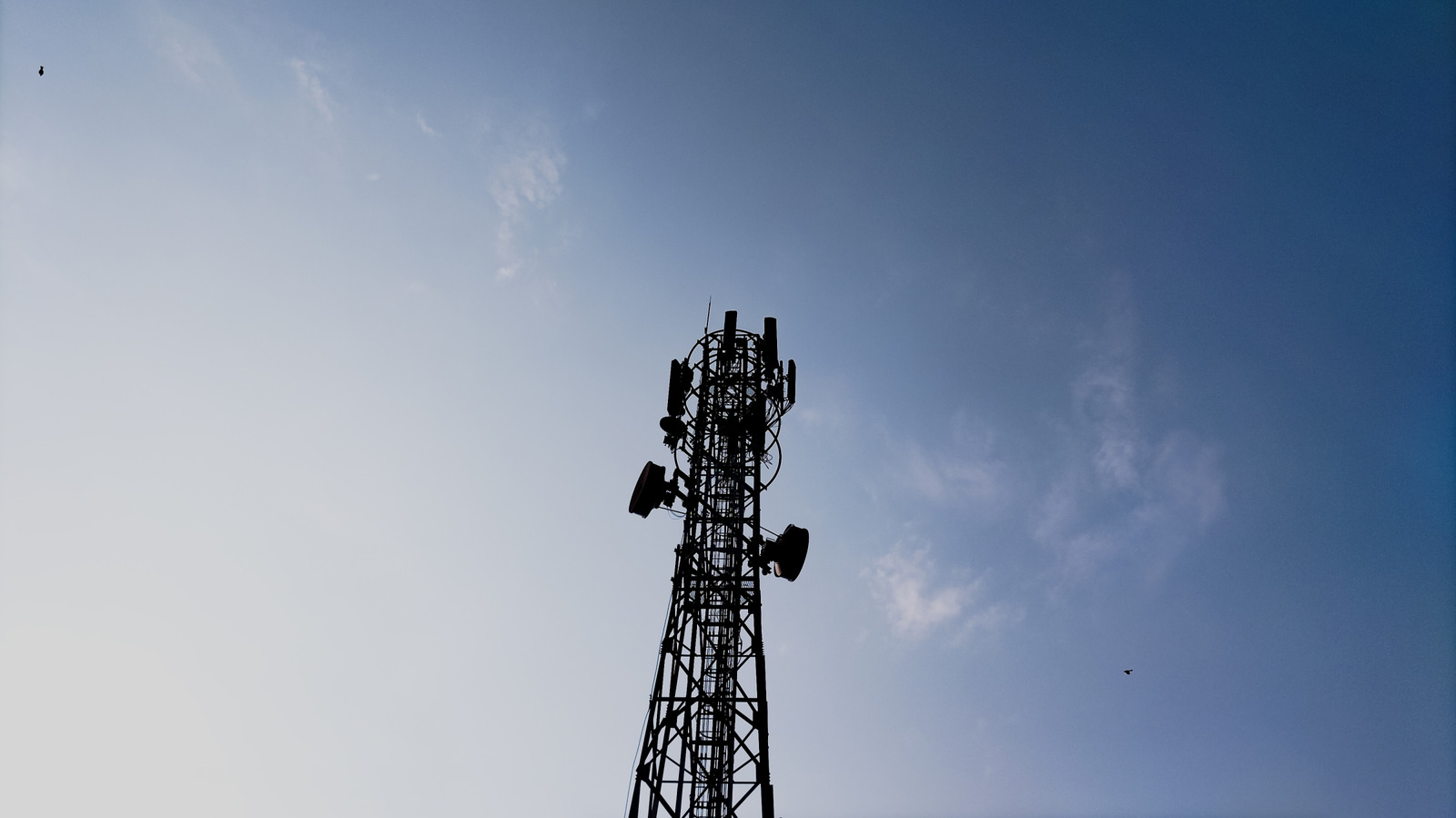
AT&T, T-Mobile, and Verizon have announced a joint venture to pool spectrum resources and improve satellite connectivity in rural and underserved areas of the United States. The initiative aims to simplify the integration of direct-to-device technologies and enhance customer experience across the industry. This collaboration represents a significant shift for the traditionally rival US wireless carriers, who are now working together to address coverage gaps that have long persisted in remote regions.
The joint venture will work with mobile network operators in rural areas to help satellite providers reach more customers through a unified platform. By consolidating their limited spectrum resources, the carriers intend to increase capacity and provide a more consistent experience for users in areas where terrestrial coverage is often limited. The move is designed to streamline the process of integrating direct-to-device satellite technologies, which are becoming increasingly critical as the market for satellite connectivity expands.
The partnership is seen as a potential hedge against SpaceX potentially launching its own mobile network operator if its technology proves reliable. SpaceX has received FCC approval to deploy 7,500 additional Gen2 Starlink satellites, bringing its total to 15,000. T-Mobile currently has a deal with Starlink and previously offered free satellite texting for several months, highlighting the competitive pressure the big three carriers face from tech giants entering the telecommunications space.
Other players in the satellite sector face varying degrees of operational challenges. AST SpaceMobile is working with AT&T and Verizon but lacks sufficient satellites in orbit for full service; a recent launch by Blue Origin failed to place the payload in a high enough orbit. Amazon has merged with Globalstar, which provides emergency connectivity for Apple devices, but remains behind Starlink in satellite deployment, with a full direct-to-device service launch likely still years away.
The joint venture remains subject to final agreements and customary closing conditions. While the strategic intent is clear, the timeline for full implementation is not yet defined. The carriers have indicated that the partnership will enable more satellite service providers to compete in the fast-growing market, potentially reshaping the competitive landscape for wireless coverage in the United States.
