Astroscale backs Isar for dedicated satellite-servicing launches
The satellite-servicing company has signed two contracts with Isar Aerospace, despite the Spectrum rocket remaining an unestablished launcher.
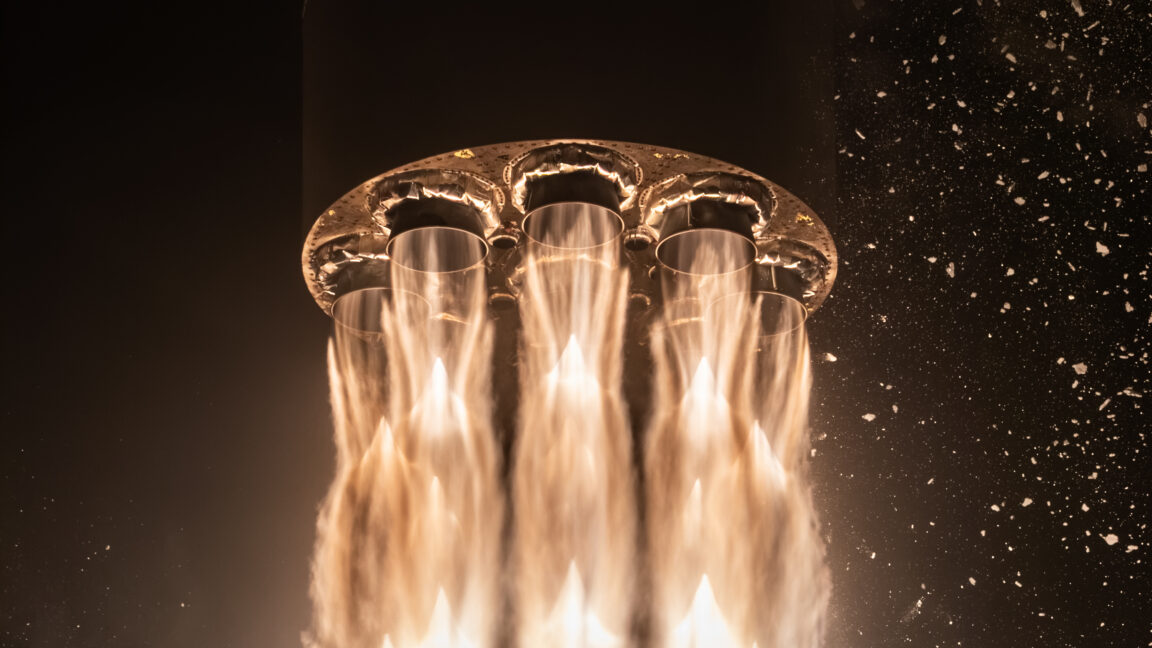
Astroscale has contracted Germany’s Isar Aerospace to launch its ELSA-M and ADRAS-J2 satellite-servicing missions on dedicated Spectrum rockets, placing an early bet on a launch provider that has only recently achieved orbit.
Isar’s Spectrum rocket reached low-Earth orbit for the first time and deployed CubeSats from northern Norway. The success followed a failed first test flight last year, and gives Isar a foothold as European launch companies compete to challenge incumbent providers including Arianespace and Avio.
Astroscale says dedicated launches are essential for most of its missions because they require specific orbits and sufficient payload capacity. ELSA-M and ADRAS-J2 are larger than the company’s previous ADRAS-J mission and cannot use Rocket Lab’s Electron.
ELSA-M, led by Astroscale’s UK division, is intended to capture and deorbit a satellite in Eutelsat’s OneWeb constellation. ADRAS-J2, partly funded by the Japan Aerospace Exploration Agency, will attempt to approach and remove a defunct Japanese rocket body, following Astroscale’s inspection mission in 2024.
Astroscale chief operating officer Chris Blackerby said the company’s missions typically weigh between 500 and 700 kilograms, a class with limited dedicated-launch options. He acknowledged that choosing an unproven launcher carried risk, but said Astroscale had conducted due diligence at Isar’s manufacturing site and was confident in its decision.
The missions could launch as soon as next year, although no firm dates were provided. Astroscale is also developing capabilities for debris removal, close-in inspection, satellite servicing and refuelling, while it works towards a commercially repeatable servicing market.