Astronauts process genetic samples for cancer research on ISS
Collaborative work inside the Kibo laboratory module aims to develop novel chemotherapy and immunotherapy treatments
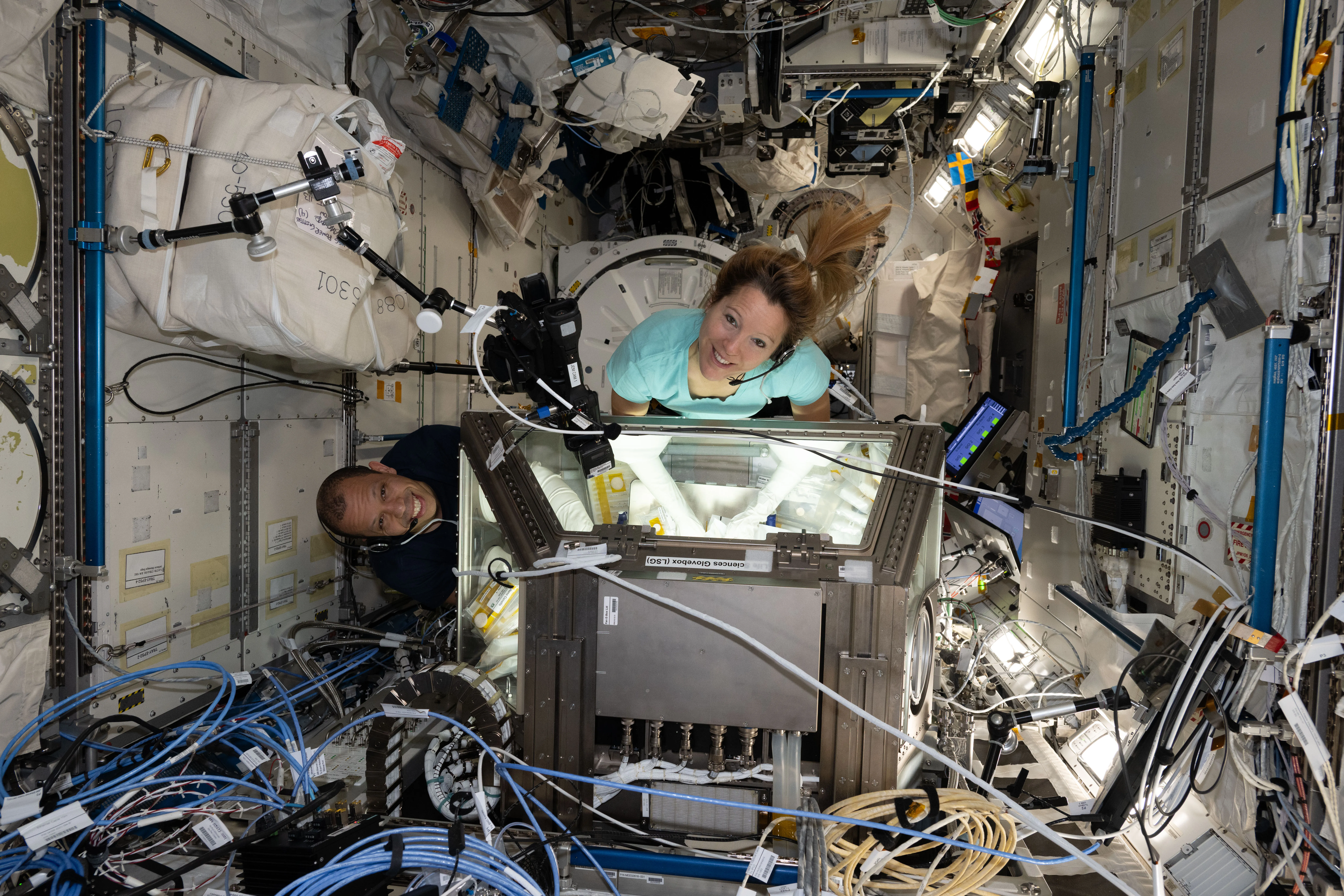
Astronauts Chris Williams of NASA and Sophie Adenot of the European Space Agency have collaborated to process genetic-material samples aboard the International Space Station. The activity took place on 28 April 2026 within the Kibo laboratory module, where the pair worked inside the Life Science Glovebox to handle specimens for the DNA Nano Therapeutics-3 investigation.
This ongoing research project explores DNA-inspired assembly techniques designed to manufacture potential medical treatments. The investigation focuses on creating therapies, such as chemotherapy and immunotherapy, that are capable of killing cancer cells and activating the immune system. By conducting this work in microgravity, scientists hope to utilise novel manufacturing methods that may not be feasible on Earth.
The astronauts' role involved strictly processing the genetic samples rather than administering any treatments to patients. Their efforts contribute to a broader scientific effort to explore how unique conditions in space can aid the development of new medical technologies. The DNA Nano Therapeutics-3 experiment represents a significant step in understanding how to produce these complex biological materials outside of standard terrestrial environments.
It is important to note that the investigation is currently focused on the manufacturing techniques themselves. The description of the treatments as capable of killing cancer cells refers to the intended function of the methods being explored, rather than confirming clinical efficacy in humans. The experiment has not yet yielded specific data outcomes or confirmed successful results regarding the final therapeutic products.
The work highlights the International Space Station's capacity to host advanced biological research. Through the Kibo laboratory module, researchers can access specialised equipment like the Life Science Glovebox, which is essential for safely handling sensitive genetic materials during these critical experiments.
As the crew continues their mission, the data gathered from these sample processing activities will inform future developments in space-based medicine. The collaboration between NASA and the European Space Agency underscores the global commitment to pushing the boundaries of scientific discovery in orbit.