AstraZeneca builds AI-driven 'lab of the future' to accelerate biologic drug discovery
A new closed-loop system aims to reduce biologic drug discovery timelines by up to 50 per cent through automated experimentation and virtual safety trials.
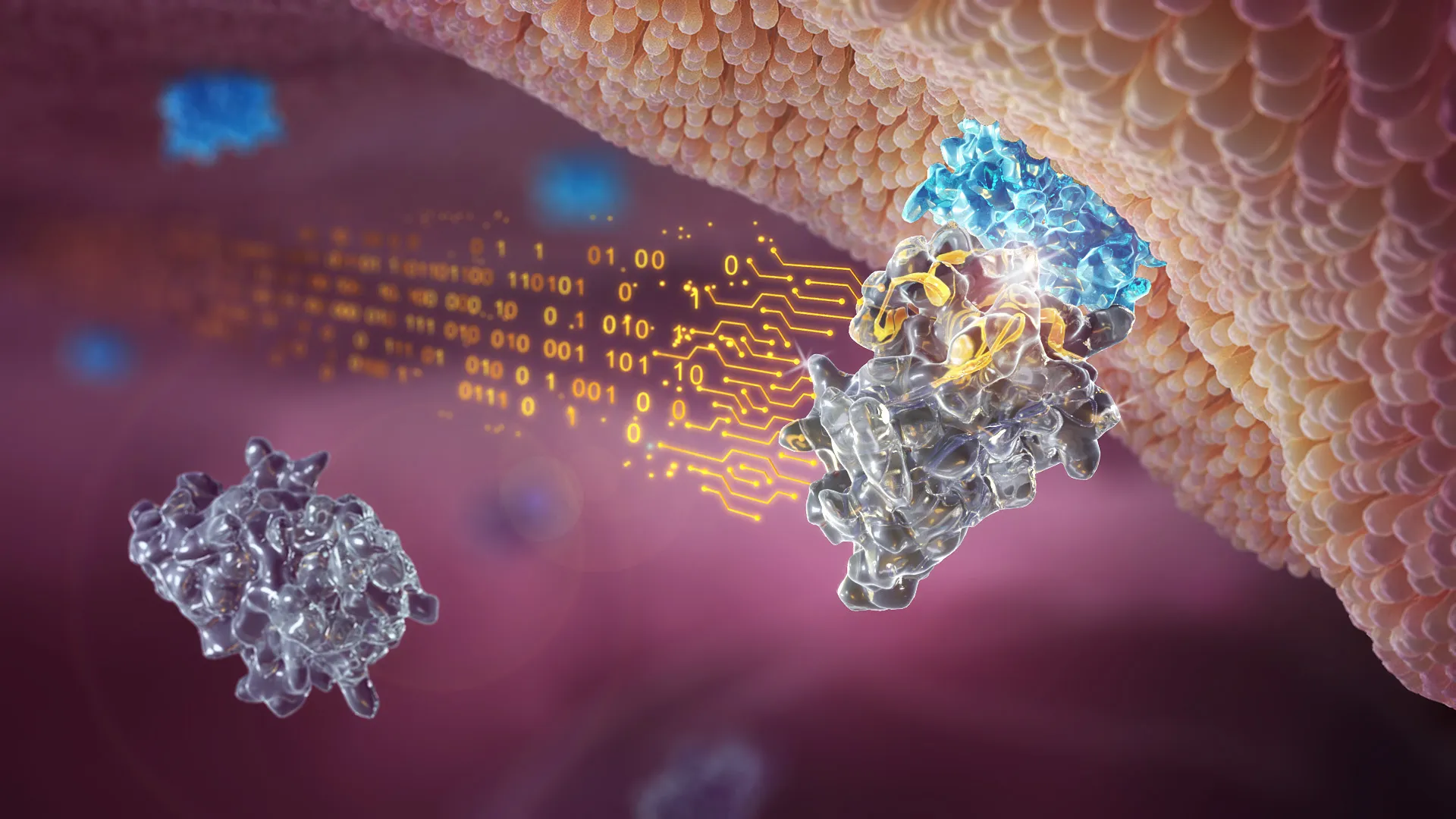
AstraZeneca is constructing a dedicated facility in Kendall Square, Cambridge, Massachusetts, designed to integrate artificial intelligence and robotic automation into its biologic drug discovery pipeline. The company describes the site as a "lab of the future," intended to operate as a continuous, closed-loop system where AI predicts molecular candidates and robotic systems execute the corresponding experiments.
The initiative aims to reduce drug discovery timelines by up to 50 per cent, according to estimates from McKinsey regarding generative AI in pharmaceutical R&D. By automating the cycle of design, make, test, and analyse, the company seeks to streamline the development of complex multi-target therapies and address safety prediction challenges through virtual clinical trials using advanced cell systems.
Puja Sapra, senior vice president and head of R&D biologics engineering and oncology targeted discovery at AstraZeneca, stated that computational enhancement is now central to the company’s operations. "Everything we do, whether it’s design, make, test, or analyze, is now computationally enhanced," Sapra said, noting that the approach allows scientists to focus lab resources on top-ranked candidates identified by AI, thereby reducing dead ends and accelerating iteration.
To support these models, AstraZeneca is investing in proprietary, multimodal datasets and deep screening technologies. The company utilises "virtual clinical trials" comprising advanced cell systems and micro-scale organ models to predict the safety of computationally generated molecules. This strategy aims to bridge the gap between AI-generated designs and clinical-ready candidates by providing enhanced biological signals without traditional testing bottlenecks.
The long-term vision for the project is "de novo" design, where AI generates entirely new protein sequences from scratch, including predictions for safety, in-body behaviour, and manufacturability. AstraZeneca’s engineering teams are developing agentic AI systems that act as "thinking partners" rather than black boxes, focusing on model transparency, explainability, and uncertainty quantification to ensure human oversight remains central to the process.