Assad Death Sentence Leaves Syrians Seeking Broader Justice
A court verdict against Bashar Assad and senior regime figures has been welcomed as a signal against impunity, but survivors say Syria’s transitional justice process must address the missing, reparations and crimes by all warring parties.
A Syrian court has sentenced former leader Bashar Assad and senior regime figures to death in absentia after finding Assad guilty of premeditated murder, torture and unlawful deprivation of liberty. The court described the offences as war crimes and crimes against humanity.
The verdict, issued in mid-August, has been celebrated in Syria but its practical effect remains uncertain. Assad, who was overthrown in late 2024, is living in Russia, while many senior officials are reportedly there or in hiding. Russia is considered unlikely to extradite its long-time ally, and the prospect of a death sentence may also affect extradition under a 2023 treaty.
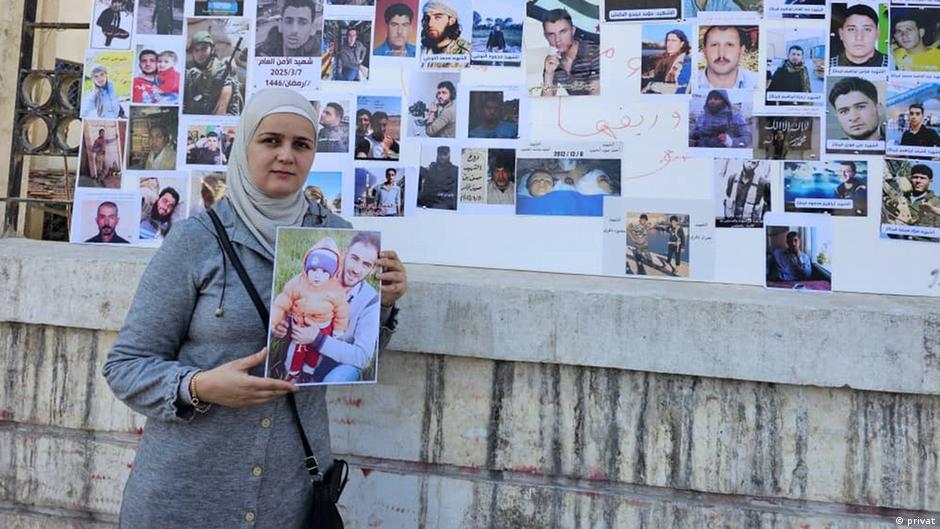
Reporting by Deutsche Welle found that survivors and rights advocates regard the sentences as largely symbolic unless those convicted are held accountable. They are also calling for investigations into missing people, prosecutions of lower-level perpetrators, reparations, institutional reform and a process that gives victims a meaningful role.
Syria has established a National Commission for Missing Persons and a National Commission for Transitional Justice. The Athar platform allows families to submit information about missing people, while the transitional justice commission has so far focused on crimes attributed to the Assad regime.
That focus leaves alleged crimes by other forces outside the process. Prosecutions have not comprehensively addressed abuses attributed to militias involved in the war or the extremist group known as the Islamic State. Rights advocates say a complete reckoning must cover all warring parties.
The scale of the task remains contested. Figures from the Syrian Network for Human Rights indicate more than 234,805 civilians were killed during the civil war, including at least 202,000 attributed to the Assad regime and its allies, alongside cases of arbitrary arrest, enforced disappearance and deaths resulting from torture. The organisation says the actual figures are likely higher.
For survivors, justice also includes preserving the memory of the conflict and protecting those who testify. They want their experiences to inform decisions on compensation, public recognition and reform, while ensuring that Syria’s next phase is built around victims rather than only the most senior defendants.