Asian Games opening seeks reset after Nagoya mishaps
The Nagoya ceremony offered a brighter start after reported accommodation, transport and anthem problems, with typhoon disruption still threatening the Games.
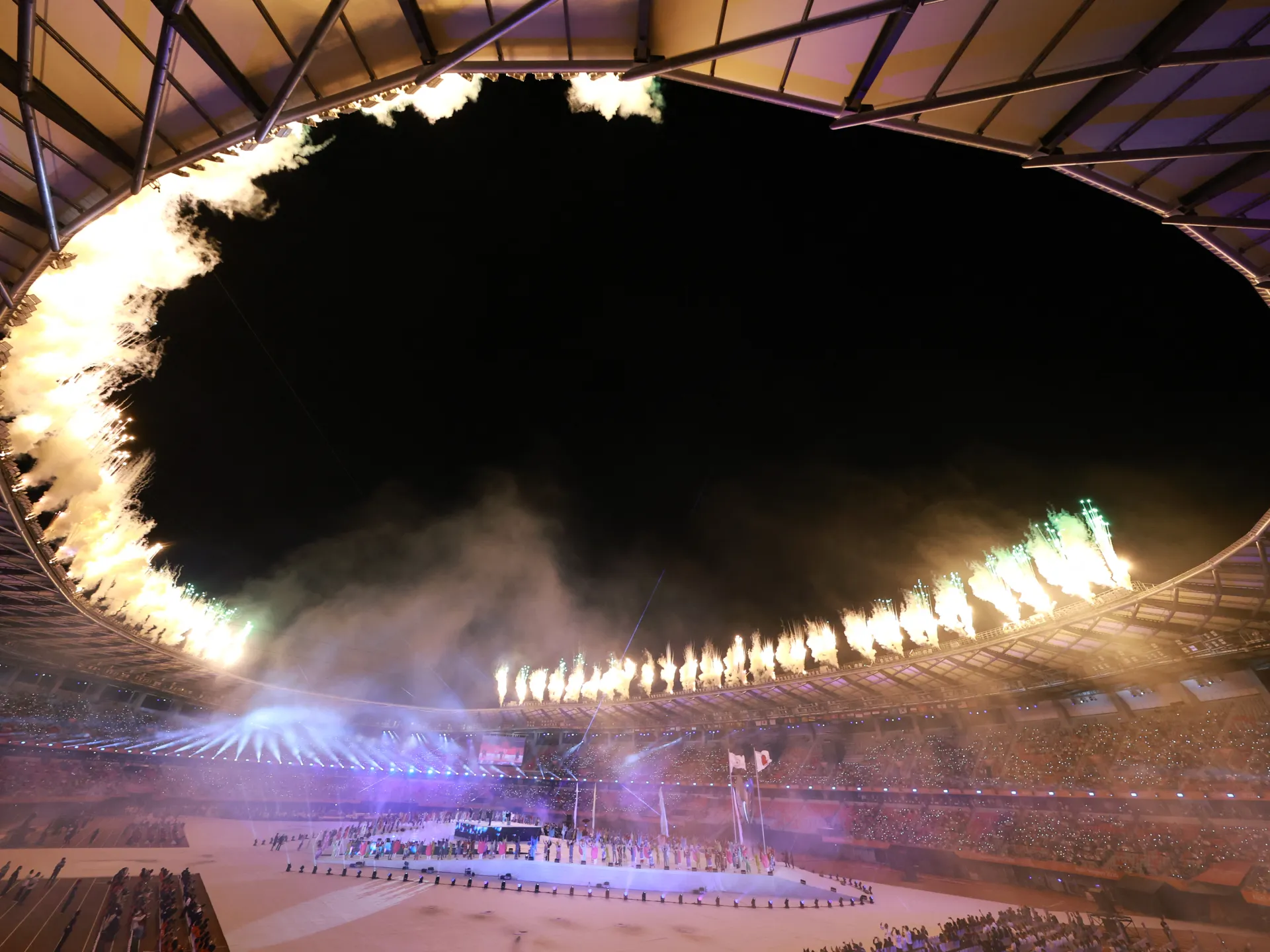
The Asian Games opening ceremony in Nagoya offered organisers a chance to move past a troubled build-up marked by complaints over accommodation, transport and national anthem procedures.
The ceremony at Mizuho Park Athletic Stadium followed flooding in parts of Nagoya and came as a typhoon approached eastern Japan, raising the prospect of further disruption. Attendance figures were unclear, with an official saying 70 per cent of tickets had been sold while a stadium announcement described the event as sold out.
Organisers replaced a traditional athletes’ village with a combination of hotel rooms, temporary wooden containers and a cruise ship for about 17,000 athletes and officials. Several delegations, including Japan’s, reportedly raised concerns about mix-ups, double bookings and cramped conditions.
South Korea reported repeated transport failures, including a basketball shuttle that did not arrive and a football bus that took players to the wrong venue. Its hockey team was also reportedly played North Korea’s national anthem before a match, prompting an apology from the stadium announcer.
Taiwan’s delegation temporarily declined to attend a welcoming ceremony after sports minister and former Olympic champion Lee Yang was reportedly prevented from joining it. The complaints have drawn a qualified defence from IOC president Kirsty Coventry, who said she was impressed with the accommodation arrangements.
Japan nevertheless secured the first gold medal of the Aichi-Nagoya Games, with Takumi Hojo winning the men’s individual triathlon. The opening ceremony, held five years after the Tokyo Olympics took place at empty venues because of COVID-19 restrictions, provided a more positive spectacle for athletes and officials.