ASEAN nations pivot to unified strategy against cyberscam cartels
Diplomatic engagements between Thailand, Myanmar, and Indonesia signal a new era of cross-border intelligence sharing and financial disruption in the fight against transnational cybercrime.
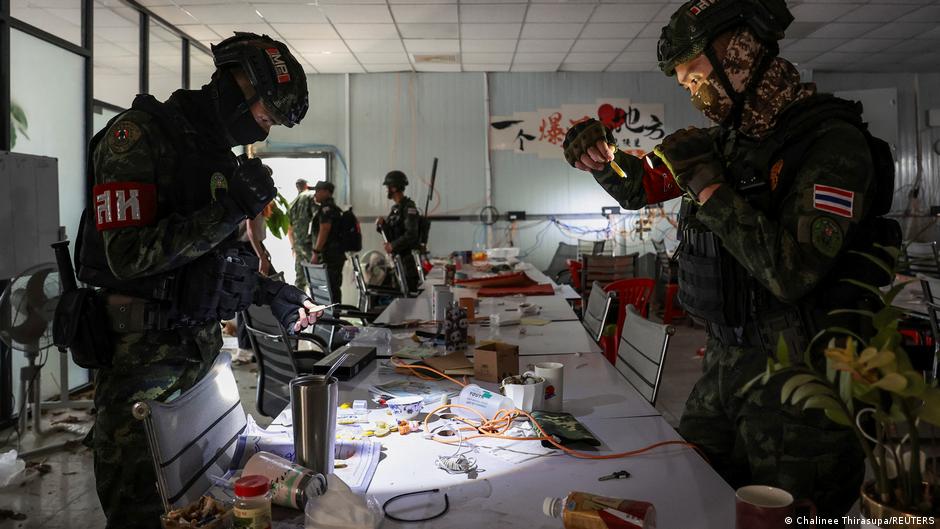
Southeast Asian governments are transitioning from fragmented policing efforts to a unified regional strategy to combat international cyberscam cartels, which are estimated to cause global losses of up to $114.1 billion annually. This strategic pivot follows high-level diplomatic engagements between leaders from Thailand, Myanmar, and Indonesia, resulting in agreements to enhance intelligence sharing, disrupt criminal financial flows, and strengthen cross-border coordination. The move is driven by significant international pressure and sanctions from the US and EU against entities linked to the illicit industry.
Thai Prime Minister Anutin Charnvirakul and Myanmar’s military leader Min Aung Hlaing agreed to clamp down on scam centres along their shared frontier and jointly disrupt criminal financial flows. Thailand offered support for Myanmar’s participation in the Egmont Group, an international network of financial-intelligence bodies. Myanmar’s military-backed parliament voted to apply the death penalty for those operating online scam centres.
Indonesian Deputy Foreign Minister Arif Havas Oegroseno proposed a joint task force to combat online scam syndicates during a visit to Cambodia. Indonesian President Prabowo Subianto and Thai Prime Minister Charnvirakul agreed that their countries must lead efforts to strengthen ASEAN’s resilience against scam groups.
The National Bank of Cambodia has shuttered at least six financial institutions since the start of the year, including three commercial banks whose licences were revoked in August due to US sanctions. Singapore introduced legislation on August 4 to expand information-sharing between police and service providers, allow authorities to disable suspected scam accounts, and strengthen restrictions on services supplied to offenders.
ASEAN has established a joint working group to combat money laundering and adopted a Plan of Action in Combating Transnational Crime for 2026–2035. Experts warn that the region’s greatest weakness remains fragmentation, urging a holistic approach that targets financial infrastructure and corporate structures rather than focusing solely on individual offenders.