ASEAN ministers pivot to US-Iran crisis as Manila talks stall
Foreign ministers from Southeast Asia have shifted focus from Myanmar and the South China Sea to demand an end to fighting between the United States and Iran, citing disruptions to Asian energy supplies and global commerce.
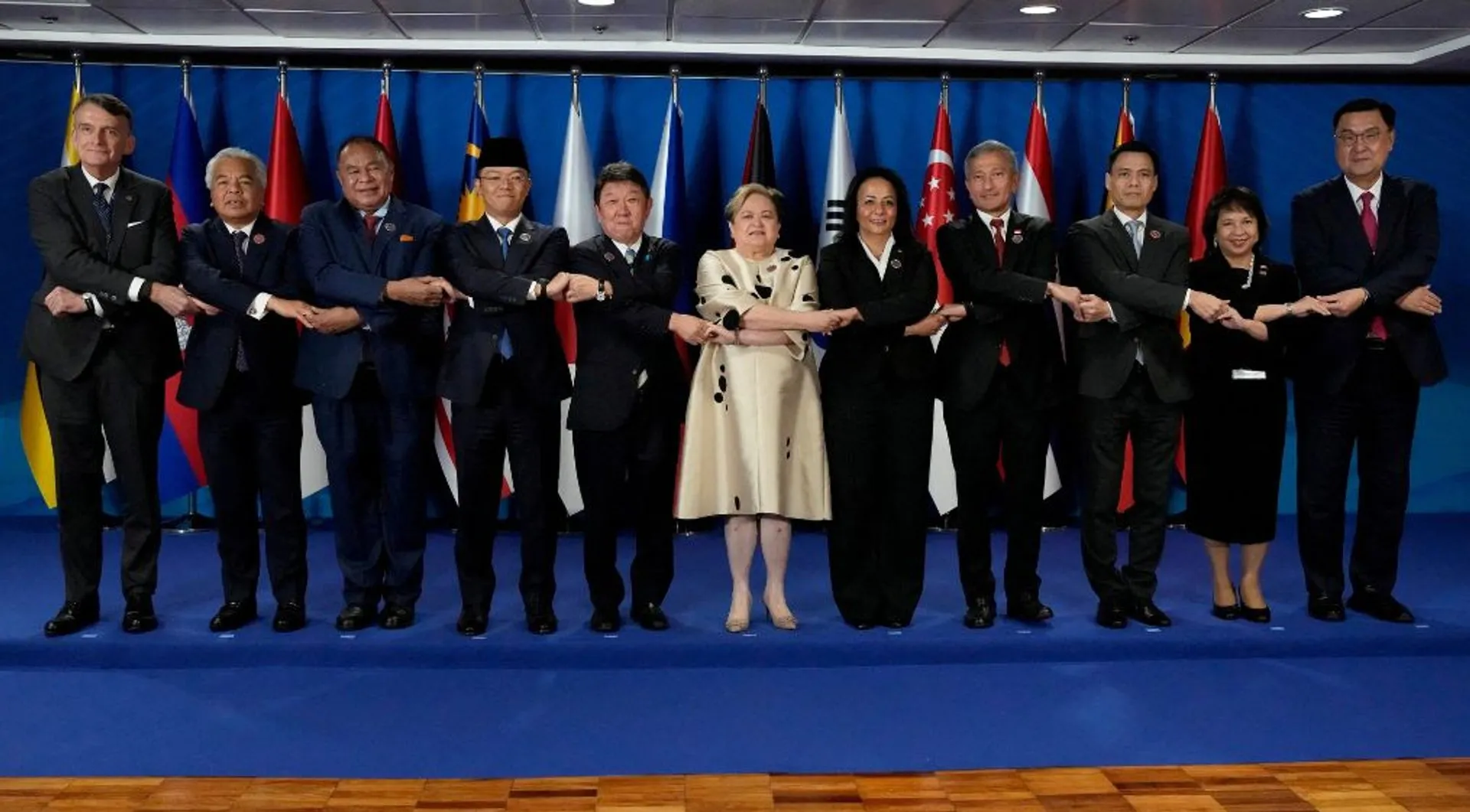
Renewed military hostilities between the United States and Iran have dominated the agenda at the Association of Southeast Asian Nations (ASEAN) foreign ministers' gathering in Manila, hosted by the Philippines. While the meeting was originally convened to address pressing regional security concerns, including the civil war in Myanmar and territorial disputes in the South China Sea, discussions have largely pivoted to the escalating conflict in the Middle East.
Ministers at the Manila gathering have issued calls for an immediate end to hostilities, recognising the broader implications of the US-Iran confrontation. The conflict has significantly disrupted Asian energy and food supplies, impacted international commerce, and raised fears of a potential global economic slowdown, forcing the regional body to confront external geopolitical shocks that threaten local stability.
The surge in oil prices, which has intensified volatility in global energy markets, follows an attack on a tanker off the coast of Saudi Arabia. This incident has heightened concerns over the security of maritime trade routes, a critical concern for ASEAN economies dependent on stable supply chains. The disruption has forced ministers to prioritise economic resilience and energy security over their initial regional security mandates.
In response to the growing instability, U.S. President Donald Trump has threatened to bomb Iranian infrastructure, further complicating diplomatic efforts. Iran’s chief negotiator, Mohammad Bagher Ghalibaf, has warned that regional infrastructure remains unsafe unless Tehran’s security is guaranteed. These developments have added significant pressure to the ASEAN dialogue, with experts noting the difficulty of maintaining regional focus amidst such intense external military escalation.
Political analysts and ASEAN experts, including Richard Heydarian, Phar Kim Ben, and Don McLain Gill, have highlighted the challenge this presents to the bloc. The shift in focus underscores the vulnerability of Southeast Asian nations to global power struggles, raising questions about whether ASEAN can effectively tackle internal regional issues while navigating the fallout from a major international conflict.