ASEAN leaders convene in Philippines to address Iran war fallout and energy security
Southeast Asian nations coordinate response to supply disruptions, with several members already implementing price caps and energy-saving measures
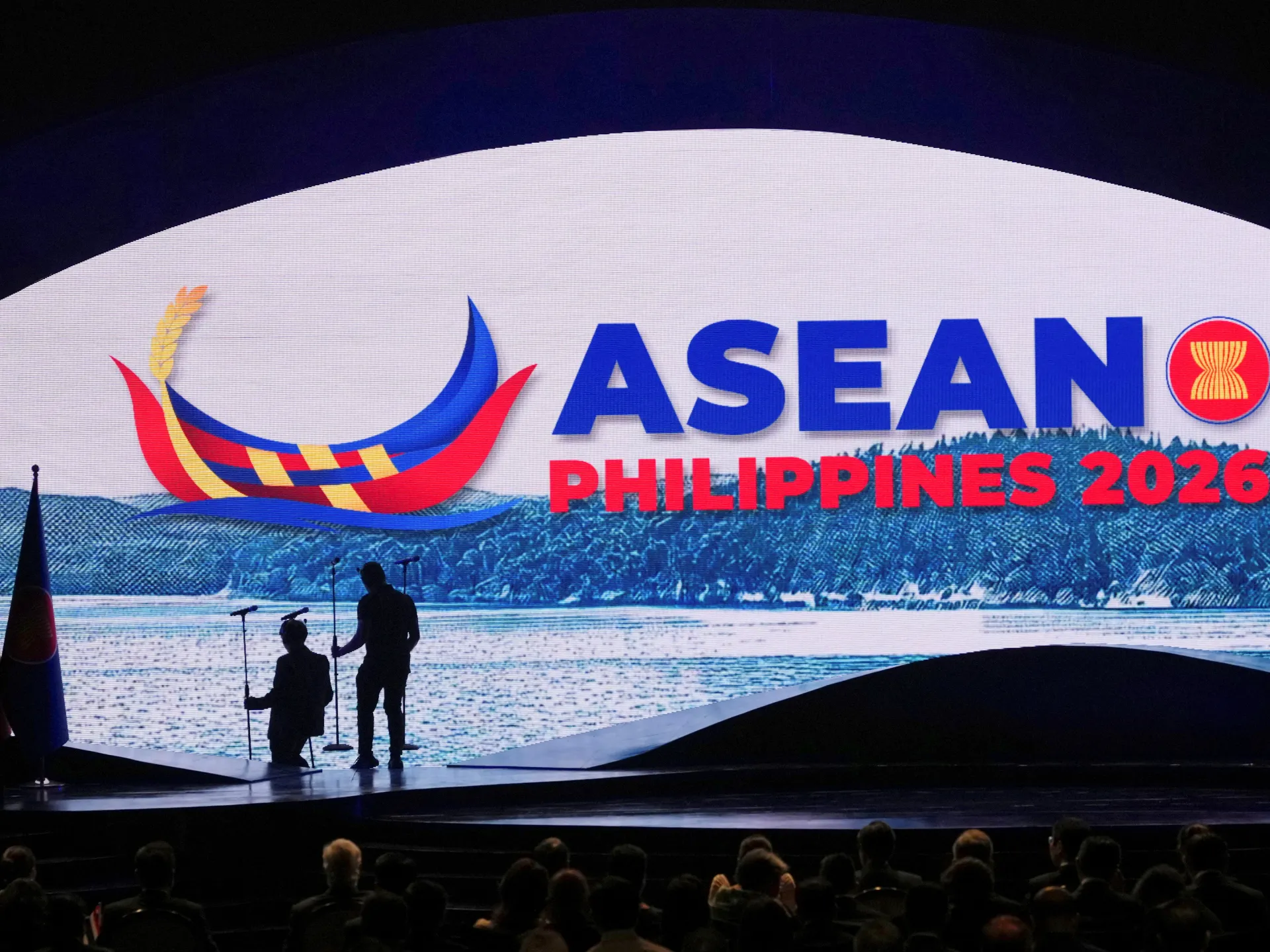
Southeast Asian leaders have gathered in the Philippines for an ASEAN summit to coordinate a joint response to the economic and energy disruptions stemming from the war on Iran. Philippine President Ferdinand Marcos Jr opened the gathering by emphasising that the conflict has directly impacted living costs and threatened livelihoods across the region and among nationals in the Middle East. He urged the eleven-member bloc to strengthen coordination and pursue practical collective measures to safeguard stable energy supplies and improve interconnectivity.
The summit is expected to result in a joint statement calling for the immediate reopening of the Strait of Hormuz, alongside improved crisis communication and deeper cooperation on energy and food security. A leaked draft of this statement, seen by multiple media outlets including The Associated Press and Channel News Asia, outlines specific demands for the restoration of the critical waterway and enhanced regional dialogue mechanisms. The proposed declaration also highlights the necessity of member countries working together to mitigate supply shocks affecting the region's more than 700 million people.
In preparation for the summit outcomes, several ASEAN member nations have already enacted domestic measures to cope with supply disruptions. Countries including the Philippines, Thailand, Vietnam, Indonesia, and Malaysia have implemented energy-saving schemes, such as work-from-home arrangements and price caps on essential goods. The Philippines declared a national emergency in March amid energy shortages linked to the conflict, while petrochemical companies in Indonesia, Thailand, and Singapore have declared force majeure on contracts to relieve themselves of liability due to forces beyond their control.
The push for regional integration has been a key focus for Manila, which is advocating for a voluntary energy-sharing agreement among members to shoulder supply disruptions. The Philippines is also pushing for the establishment of an ASEAN power grid to integrate the region's electricity networks by 2045. This initiative aims to create a more resilient infrastructure capable of withstanding external shocks, building upon the bloc's existing cooperation agreements pertaining to the ASEAN Economic Community.
The summit context is further complicated by shared concerns regarding China's expansive territorial claims in the South China Sea, a waterway similar in strategic importance to the Strait of Hormuz. Recent military drills conducted by both China and the United States and its allies in the South China Sea have highlighted the region's flashpoint status. ASEAN, which maintains a longstanding policy of noninterference in members' affairs, faces the challenge of translating these security concerns into decisive action regarding the ASEAN Power Grid and the ASEAN Digital Economic Framework Agreement.
On the sidelines of the gathering, diplomatic efforts continue regarding internal disputes. Cambodia and Thailand recently signed a peace deal following deadly border clashes, though they have pledged to continue dialogue without announcing a full resolution of the decades-old dispute ahead of this summit. Despite the agreement, the countries clashed again in December before reaching a second ceasefire agreement, illustrating the ongoing complexities that ASEAN must navigate while addressing external threats.