Artemis II crew maintains health with compact, power-free flywheel device
NASA's Orion project manager details how the device supported physical and mental well-being without drawing spacecraft electricity.
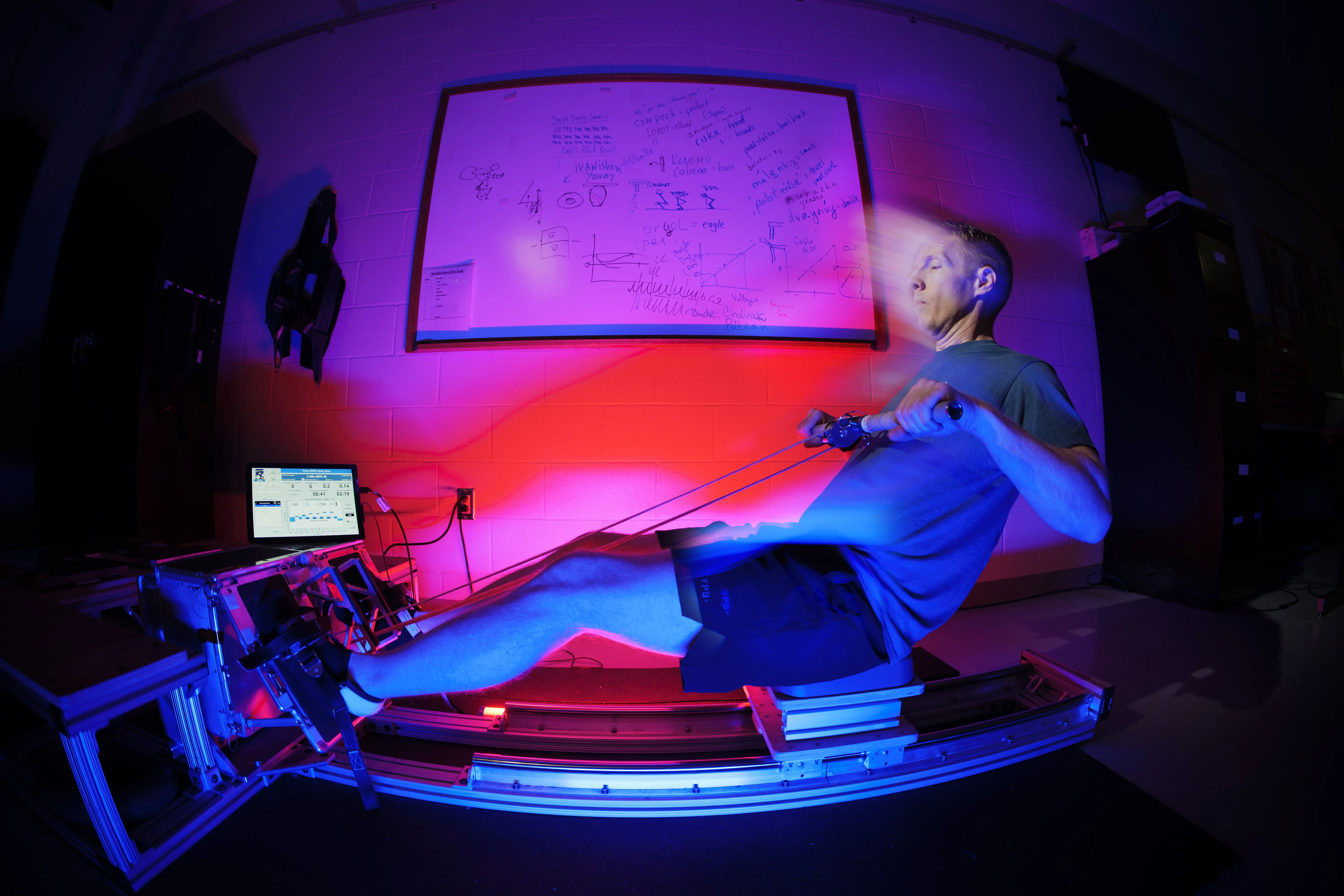
Four astronauts aboard the Orion spacecraft utilised a compact, multi-functional flywheel exercise device for approximately 30 minutes daily during their 694,481-mile journey around the Moon. Managed by Ryan Schulte, the Orion flywheel project manager at NASA's Johnson Space Center, the equipment was central to maintaining crew health throughout the mission.
The device was specifically designed to counteract the physical risks associated with microgravity, where muscles, bones, and stamina naturally begin to atrophy. By engaging in daily workouts, the crew mitigated the risk of injury that could occur during future long lunar spacewalks or emergency egress procedures. Schulte noted that without Earth's gravity, the degradation of physical stamina poses significant challenges for deep space exploration.
Beyond physical maintenance, the flywheel played a crucial role in supporting the crew's mental health. The exercise sessions improved blood flow and reduced fluid stagnation in the head, which can affect mental clarity in zero gravity. Crew members reported feeling a greater sense of mental clarity after their workouts, providing a valuable form of stress relief while living in the confined space of the Orion capsule.
Engineering the device presented unique challenges, particularly regarding space constraints and noise levels. The team successfully fitted the unit into a volume roughly the size of a large shoebox while ensuring sufficient room inside the capsule for astronauts to fully stand and extend during high-speed repetitions. Furthermore, the design prioritised noise minimisation to facilitate clear communication among the crew during exercise sessions.
Functioning similarly to an inertial yo-yo, the flywheel operates without requiring any electrical power from the spacecraft. It offers up to 500 pounds of resistance, with users able to select different gear ratios for various modes including squats, deadlifts, and aerobic rowing. This power-free capability ensured the device could be relied upon for all essential aerobic and resistive workouts without drawing on the spacecraft's limited energy reserves.
Schulte, who began his career at Johnson as a co-op student in 2007, now leads the team developing this technology and next-generation reusable exercise devices. While the flywheel proved vital for the 10-day Artemis II mission, its long-term efficacy for significantly longer-duration missions remains to be fully validated through future operational data. Nevertheless, the success of this mission underscores the importance of engineering solutions that keep astronauts safe, healthy, and mission ready on the lunar surface and beyond.