Armenia's Foreign Minister frames peace with Azerbaijan as an institutional reality ahead of EU summit
Yerevan seeks to position itself as a critical link in the Middle Corridor through major infrastructure projects while reaffirming domestic sovereignty
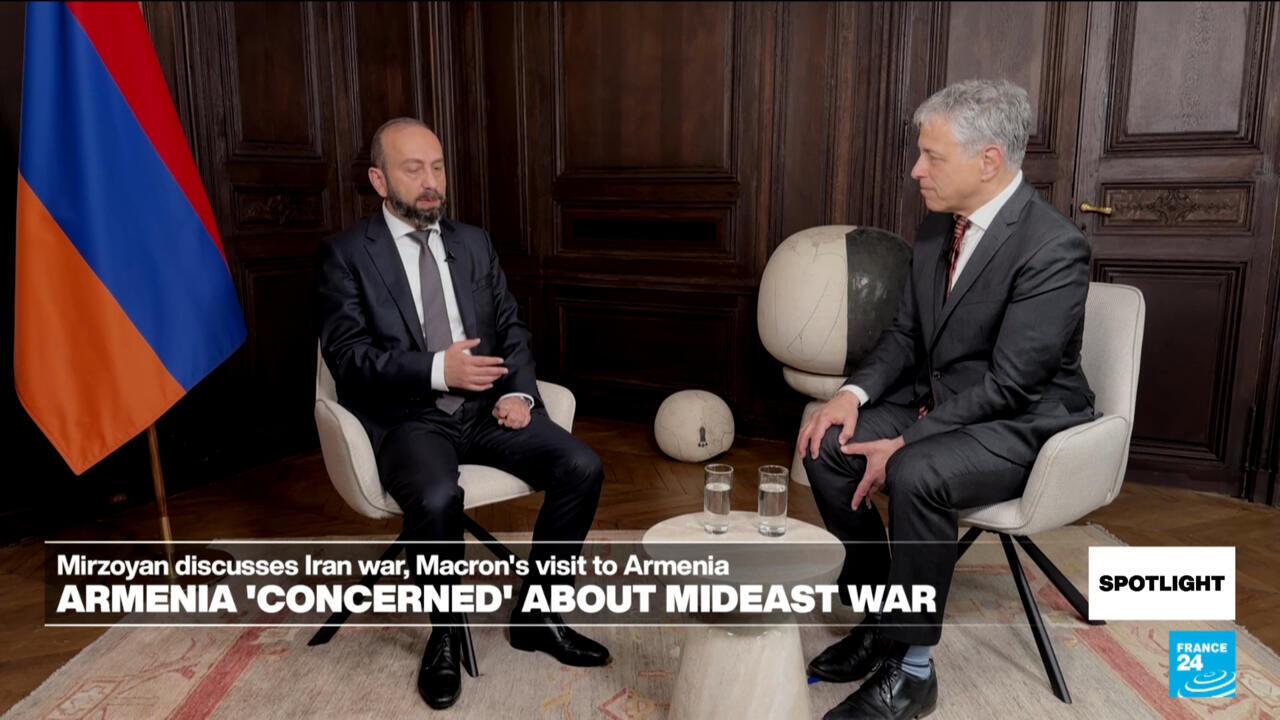
Ahead of a high-level summit with the European Union, Armenia's Minister of Foreign Affairs, Ararat Mirzoyan, has declared that peace between Armenia and Azerbaijan has transitioned from a symbolic concept into an emerging reality. Speaking from the country's newly inaugurated embassy in Paris, the minister emphasised that the immediate priority is to institutionalise this peace, marking a definitive shift from the decades of blockade that previously defined the nation's regional standing.
Mirzoyan characterised this diplomatic evolution not as a competition but as a necessary step to unblock the South Caucasus, positioning Armenia as a critical link in the Middle Corridor. To realise this strategic vision, the government is advancing a programme of huge infrastructure projects, including new railways, electricity grids, and oil and gas pipelines designed to connect Europe and Asia. This focus on connectivity is intended to redefine the country's role within the region, moving beyond past conflicts toward a future defined by cooperation.
While acknowledging that the wounds of the 2023 invasion and the subsequent seizure of Nagorno-Karabakh remain fresh, the minister argued that the nation must analyse the past to focus on the present and future. He noted that while there is no necessity to forget the history of conflict, the current trajectory relies on emerging domestic opportunities in artificial intelligence, data centres, and modern education. These economic priorities are being advanced alongside a strong reaffirmation of the peace agenda and the European aspirations held by the Armenian people.
In outlining the broader geopolitical landscape, Mirzoyan described a calibrated approach to neighbouring states. He highlighted very productive dialogue with Türkiye aimed at normalising relations, characterised ties with Georgia as brilliant and brotherly, and defined relations with Iran as very normal neighbourly interactions. However, the minister also addressed the complex relationship with Russia, noting frustration regarding Moscow's role in the region while insisting that Armenia does not seek conflict and intends to maintain normal friendly relations.
Underpinning these diplomatic efforts is a firm assertion of national sovereignty. Mirzoyan stated that no external power has the right to interfere in Armenia's democratic processes or the choice of its people. This stance frames the country's engagement with the European Union not merely as a political direction but as a societal choice, reinforcing the government's commitment to democratic legitimacy as it navigates an increasingly fluid regional order.