Armenia rejects Russian call for EU accession referendum ahead of parliamentary vote
The refusal comes one week before a critical parliamentary session scheduled for 7 June 2026, underscoring Yerevan’s stance amid geopolitical pressure from Moscow.
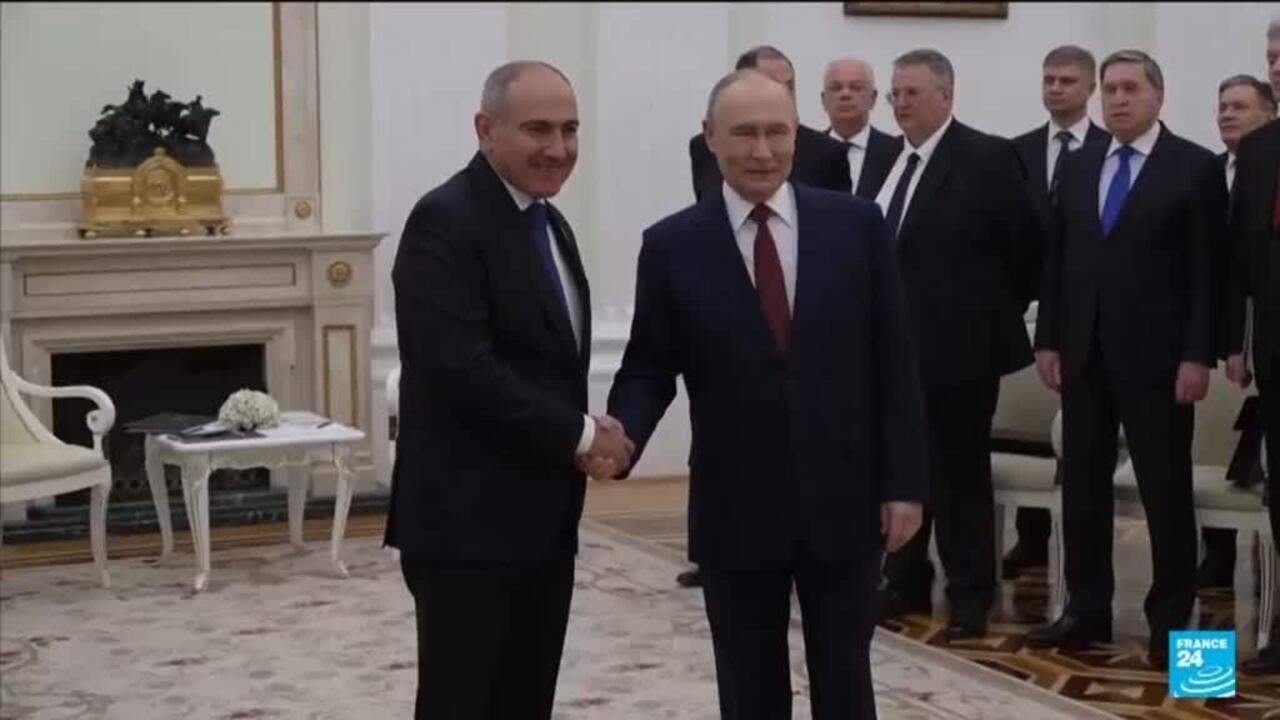
Armenian Prime Minister Nikol Pashinyan has formally rejected a request from Russian President Vladimir Putin for Yerevan to hold a referendum on joining the European Union. The decision, reported on Monday by France 24 International, marks a significant diplomatic refusal from the Kremlin as the South Caucasus nation navigates its strategic alignment between Moscow and Western institutions.
The rejection of the proposed public vote occurs at a pivotal moment in Armenia’s legislative calendar. The statement was issued just one week before a scheduled parliamentary vote set for 7 June 2026. This timing suggests that the pressure exerted by Moscow is intended to influence the outcome of the upcoming parliamentary session, although the specific nature of the diplomatic or political leverage remains unspecified in available reports.
Prime Minister Pashinyan’s refusal to entertain the idea of a referendum on EU accession highlights the ongoing tension in Armenia’s foreign policy. While the source material does not detail the exact form of pressure applied by Russian President Vladimir Putin, the request for a public vote on such a significant geopolitical shift indicates a desire for Moscow to maintain influence over Yerevan’s institutional direction.
The upcoming parliamentary vote on 7 June 2026 is viewed as a critical juncture for Armenia’s foreign policy trajectory. By rejecting the call for a referendum, the Armenian government appears to be asserting its sovereign decision-making processes ahead of this legislative event, despite the geopolitical complexities surrounding its relationship with Russia.
This development underscores the delicate balance Armenia must maintain between its historical ties with Russia and its growing engagement with European structures. The refusal to hold a referendum on EU membership, as demanded by the Russian leadership, signals a firm stance from Prime Minister Pashinyan’s administration in the face of external diplomatic pressure.