Armenia hosts inaugural European Political Community summit amid transatlantic tensions
While Armenia positions the event as a gateway in a changing global order, analysts from the Center for Security Studies describe the gathering as symbolically significant but structurally limited
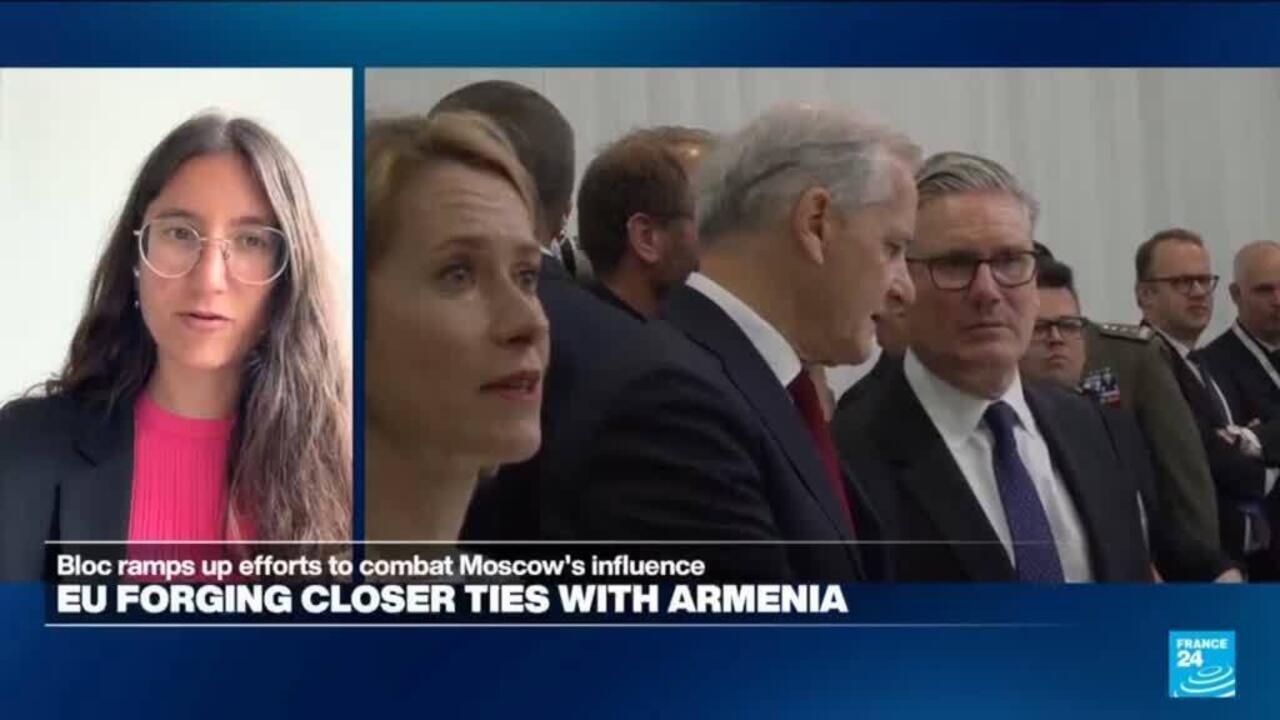
Fifty world leaders from European nations and Canada have convened in Armenia for the country's first-ever European Political Community summit. The gathering marks a distinct diplomatic shift, with Armenia positioning itself as a gateway in a shifting global order as it hosts the inaugural meeting of the forum.
The event is being characterised as an informal platform designed to address shared concerns amidst rising transatlantic tensions and evolving foreign policy engagement. Unlike the binding commitments associated with the European Union or NATO, this summit operates as a space for political dialogue rather than a formal alliance structure.
Dr Gesine Weber, Senior Researcher at the Center for Security Studies, has assessed the nature of the gathering as symbolically significant yet structurally limited. She noted that while the summit allows for the exploration of a wide array of solutions, it should not be interpreted as evidence of a fully formed new world order.
The context of the meeting is defined by broader geopolitical dynamics, including shifting US engagement and the noted rise in diplomatic influence from powers such as Canada. These factors have contributed to the decision to hold the summit in Armenia, framing it as a response to the current architecture of European security and diplomacy.
Despite the high-profile attendance, experts caution that the long-term structural impact of this informal summit remains uncertain. The description of the location as a strategic gateway is largely viewed as interpretative framing by the hosts and analysts, rather than a concrete, agreed-upon strategic outcome.
Ms Weber emphasised that the current dynamics, while significant, do not warrant claims of a new world order. Instead, the focus remains on utilising the informal nature of the European Political Community to navigate the complexities of the present diplomatic landscape without overstating its institutional power.