Armenia elections signal geopolitical fault line as Washington, Moscow and Brussels watch closely
The outcome of Armenia’s parliamentary elections is being treated as a critical indicator of regional alignment by major powers, with experts noting the deepening strategic divide between Western and Russian influence.
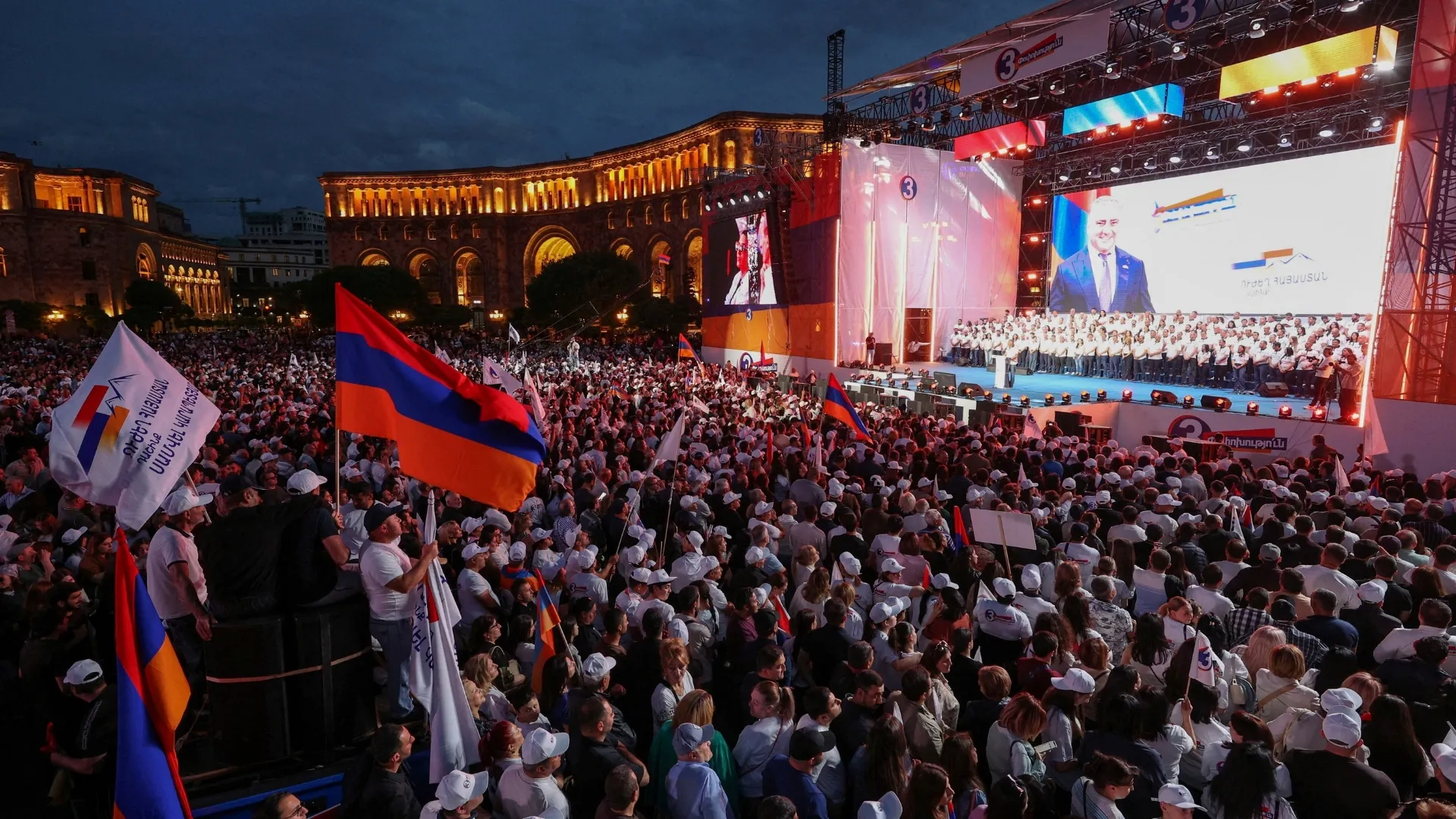
Armenia’s parliamentary elections have drawn intense scrutiny from Russia, the United States and the European Union, reflecting the nation’s pivotal role in a shifting geopolitical landscape. The contest centres on a binary choice for voters: supporting Prime Minister Nikol Pashinyan, who is backed by US President Donald Trump, or backing political parties that advocate for closer ties with Russia.
The election outcome is being monitored closely in Brussels, Moscow and Washington as a key indicator of regional alignment. The strategic location of Armenia makes its political orientation a focal point for major powers, with the result likely to influence broader security and economic dynamics in the South Caucasus.
Richard Giragosian, founding director of the Regional Studies Center think tank, has highlighted the significance of the vote in defining Armenia’s future trajectory. His analysis is complemented by perspectives from Kenneth Roth, a visiting professor at the Princeton School of Public and International Affairs, and Chris Weafer, chief executive officer of the Macro-Advisory consultancy, who collectively underscore the high stakes involved in the electoral process.
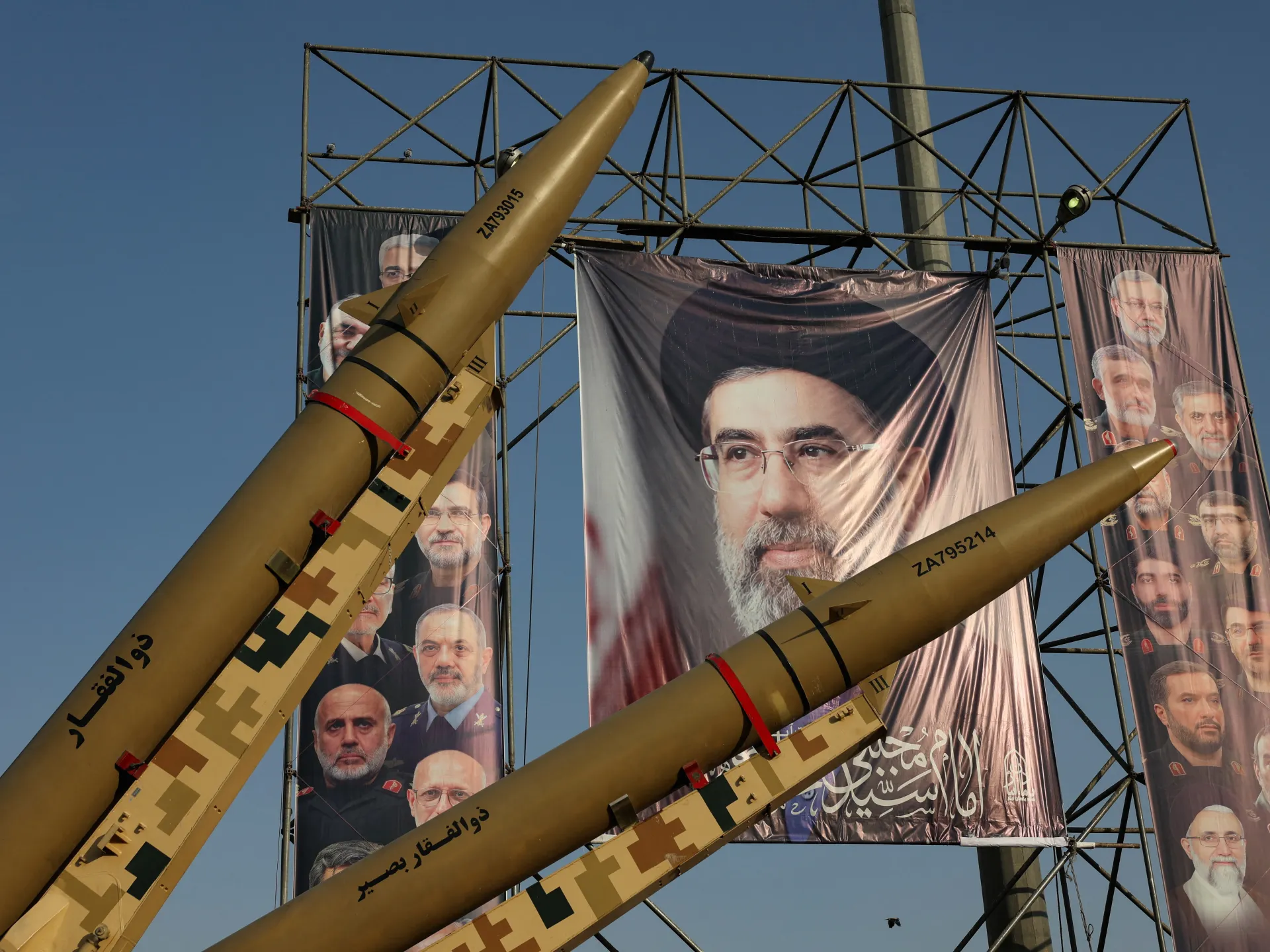
The geopolitical tension is further complicated by the broader regional context, including the conflict involving Iran which commenced on 28 February. That conflict, which resulted in the death of Supreme Leader Ali Khamenei and the closure of the Strait of Hormuz, has triggered an economic crisis and heightened global energy concerns. These external pressures are expected to influence domestic political calculations in Yerevan.
Within the United States, the handling of the Iran conflict has generated significant political backlash, with polls indicating disapproval of President Trump’s actions. An Institute for Global Affairs poll revealed that 79 per cent of respondents disapprove of the Iran war, while 58 per cent disapprove of Trump’s handling of the conflict. This domestic political friction in Washington adds another layer of complexity to the American administration’s stance on the Armenian elections and its support for Prime Minister Pashinyan.
As voters head to the polls, the international community is watching for signs of how Armenia will navigate the competing interests of its powerful neighbours. The election results will likely determine the country’s alignment in the immediate future, with implications for security cooperation, trade routes and diplomatic relations across the region.